

 +86-18967386982

 English
 Español
 عربى
عربىIndustry News
Ordering bulk hang tags is not merely a logistical necessity for product labeling; it is a high-impact branding investment that communicates professionalism, builds customer trust, and differentiates your products in a competitive market. By purchasing in bulk, businesses significantly lower their per-unit cost while ensuring consistent brand representation across all items. The key to maximizing this investment lies in selecting the right materials, printing techniques, and designs that align with your brand identity and resonate with your target audience.
The Strategic Role of Hang Tags in Brand Identity
While the primary function of a hang tag is to display price and sizing information, its strategic value extends far beyond basic logistics. A well-crafted hang tag serves as a silent salesperson, conveying the essence of your brand at the crucial point of sale. When a customer picks up a garment, the tactile feel of the tag, the visual impact of the design, and the messaging on it collectively shape their perception of the product's value.
For emerging and established apparel lines alike, custom hang tags create a memorable unboxing or fitting room experience. They offer premium real estate to tell your brand's story, highlight sustainable practices, or provide care instructions in a visually appealing way. Consistent branding through custom hang tags reinforces brand recognition, making it easier for customers to remember and seek out your products in the future.
Choosing the Right Material for Your Brand
The material you choose for your bulk hang tags speaks volumes about your brand's positioning. A lightweight paper tag suggests affordability and fast fashion, while a thick, textured cardstock or wooden tag screams luxury and durability. Understanding the options available is crucial for aligning the tag with the product it adorns.
Common Material Options
- Uncoated Cardstock: Offers a natural, textured feel, ideal for writing prices by hand or achieving a rustic, organic aesthetic.
- Coated Paper (Matte or Glossy): Provides a smooth finish that enhances color vibrancy, perfect for brands with bold, highly graphical designs.
- Kraft Paper: An eco-friendly choice that appeals to environmentally conscious consumers, offering an earthy, minimalist look.
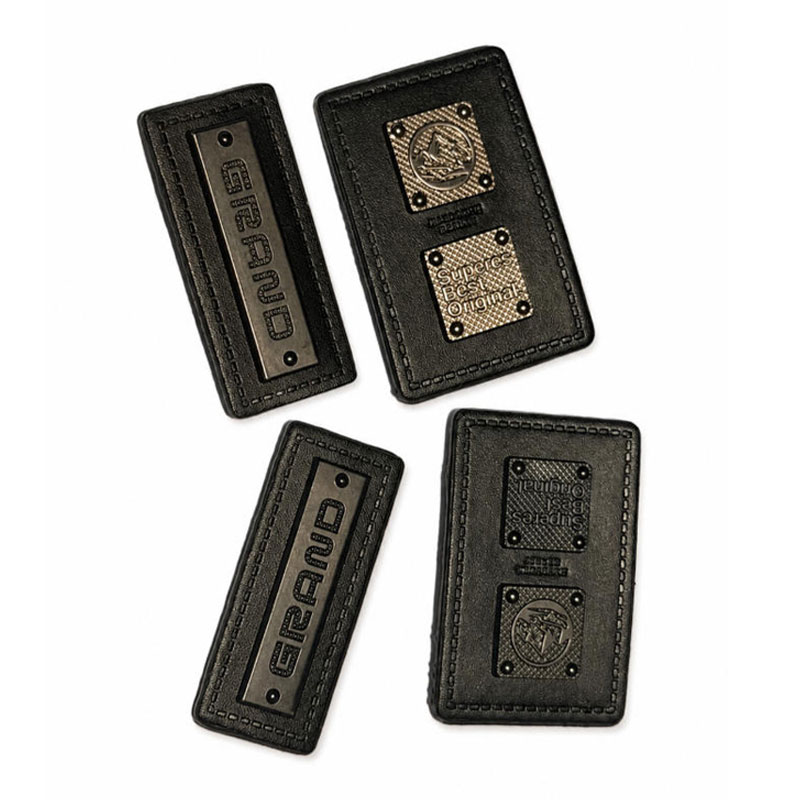
- Specialty Materials: Includes wood, cork, leather, or metal, which are used for high-end or artisanal brands looking to make a bold tactile statement.
Selecting the right thickness is equally important. A flimsy tag can make an expensive garment feel cheap, whereas a heavyweight cardstock instantly elevates the perceived value of the product.
Printing Techniques and Finishes
The printing method you select dictates the visual quality and durability of your bulk hang tags. Different techniques yield vastly different results, and the right choice depends on your design complexity and brand aesthetic.
Printing Methods Comparison
| Printing Method | Best For | Visual Effect |
|---|---|---|
| Digital Printing | Small runs, complex artwork | Sharp, vibrant, full-color |
| Offset Printing | Large bulk orders | Consistent, high-quality color |
| Letterpress | Luxury, minimalist designs | Deep indentation, tactile |
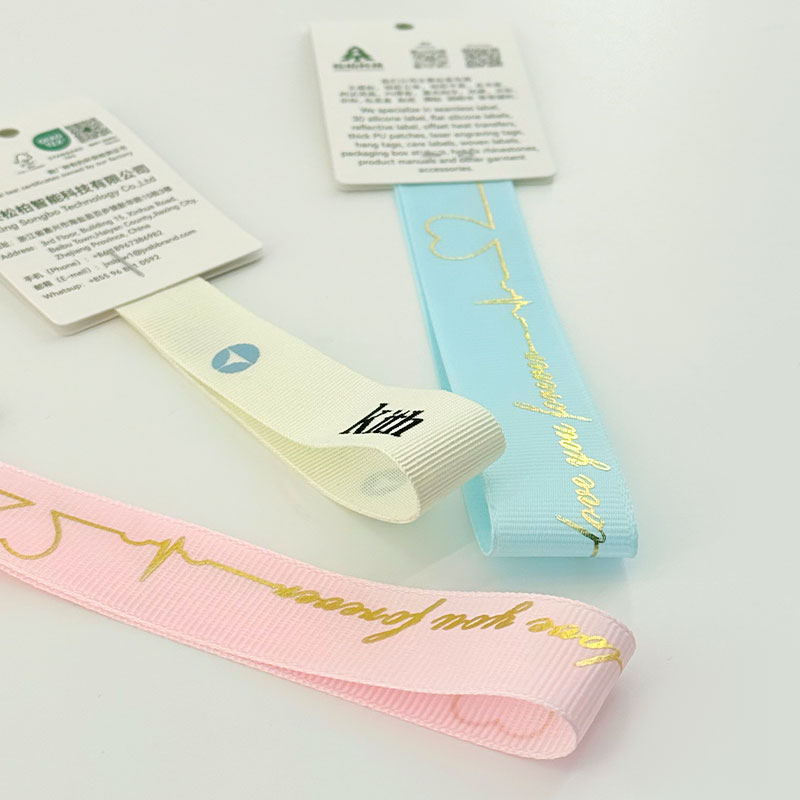
| Foil Stamping | Logos, highlighting text | Metallic shine, premium |
Enhancing with Finishes
Finishes are the subtle details that catch the eye and invite touch. Adding a spot UV coating to a matte tag creates a striking contrast by making specific elements, like a logo, glossy and raised. Embossing or debossing adds a three-dimensional texture that implies craftsmanship and attention to detail. Foil stamping in gold, silver, or rose gold can transform a simple tag into a luxurious accent that commands attention on the retail rack.
Essential Design Elements and Layout
Designing a hang tag requires a strategic balance between aesthetics and information. The front of the tag is typically reserved for brand identity, featuring the logo and brand name as the focal point. The back, or interior if the tag folds, is where functional information resides.
What to Include on Your Hang Tag
- Brand Logo and Name: The most prominent feature on the front.
- Brand Story or Mission: A brief sentence or two connecting with the consumer emotionally.
- Care Instructions: Essential for apparel, often represented by standard laundry symbols.
- Fabric Composition: Required by law in many regions (e.g., cotton, polyester blend).
- Country of Origin: Where the item was manufactured.
- Size and Price: Can be printed directly or added via a detachable string.
White space is a powerful design tool. Cramming too much information onto a small tag makes it unreadable and visually chaotic. A clean, well-organized layout ensures that the most important information—your brand and the product details—is easily digestible.
Stringing and Attachment Options
The method used to attach the hang tag to the garment is an often-overlooked detail that significantly impacts the overall presentation. The attachment should complement the tag material and the garment style without damaging the fabric.
- Polyester Strings: The most common and cost-effective option, available in various colors to match brand palettes.
- Cotton Twine: Offers a natural, artisanal look that pairs beautifully with kraft paper or uncoated cardstock.
- Metal Safety Pins: Provides a premium feel and is often used for heavy garments like coats or denim.
- Plastic Annular Buttons: A professional closure that requires a tagging gun, ideal for high-volume retail.
Choosing an attachment that contrasts with the tag can create visual interest. For instance, a delicate cotton string paired with a thick, letterpressed cardstock tag creates a pleasing juxtaposition of materials.
Sustainability in Hang Tag Production
As consumers become increasingly environmentally conscious, the sustainability of packaging materials, including hang tags, has come under scrutiny. Opting for eco-friendly bulk hang tags is no longer just a moral choice; it is a marketable brand attribute that can influence purchasing decisions.
Brands can demonstrate their commitment to the environment by choosing recycled paper or FSC-certified materials, which guarantee that the paper comes from responsibly managed forests. Soy-based inks are a superior alternative to traditional petroleum-based inks, offering vibrant colors while being easier to de-ink during the recycling process. Additionally, avoiding plastic attachments in favor of natural cotton twine or metal pins further reduces the environmental footprint of your product packaging.
Practical Tips for Ordering in Bulk
Ordering hang tags in bulk requires careful planning to avoid costly mistakes and ensure a smooth production process. A strategic approach to bulk ordering can save both time and resources.
Key Considerations Before Ordering
- Always Request Proofs: Before committing to a large run, request a physical proof to check the color accuracy, paper quality, and finish.
- Plan for Scalability: If you plan to expand your product line, design a tag that can be used universally across different garments rather than creating a unique tag for each item.
- Understand Turnaround Times: Custom printing takes time. Factor in production, shipping, and potential delays to ensure your tags arrive before your products.
It is also wise to order a surplus of tags to account for misprints, damage during attachment, or future restocks. Ordering slightly more than your immediate need is far more cost-effective than placing a second small order later.