

 +86-18967386982

 English
 Español
 عربى
عربىIndustry News
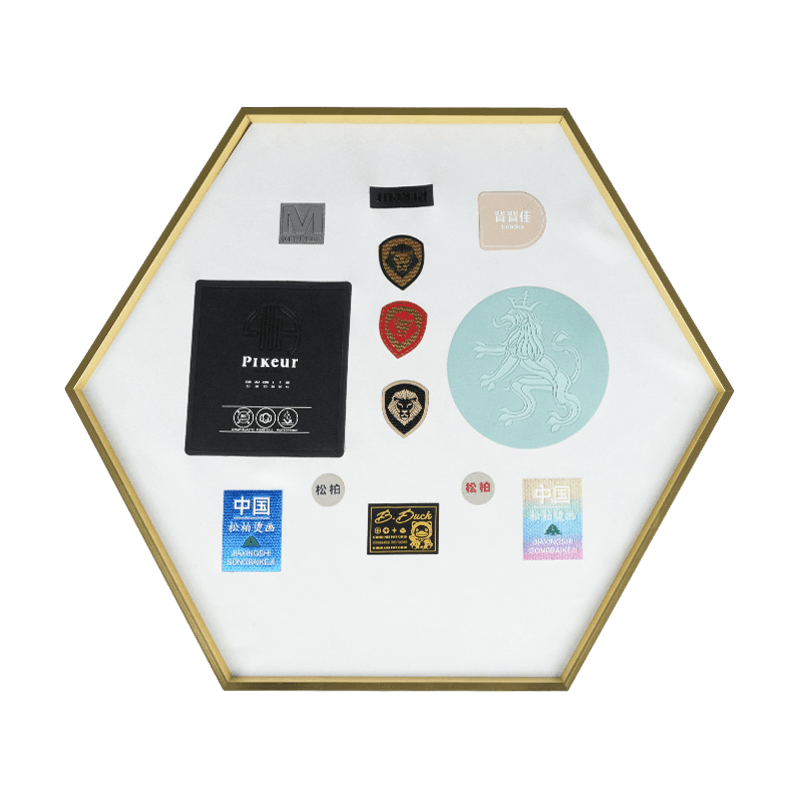
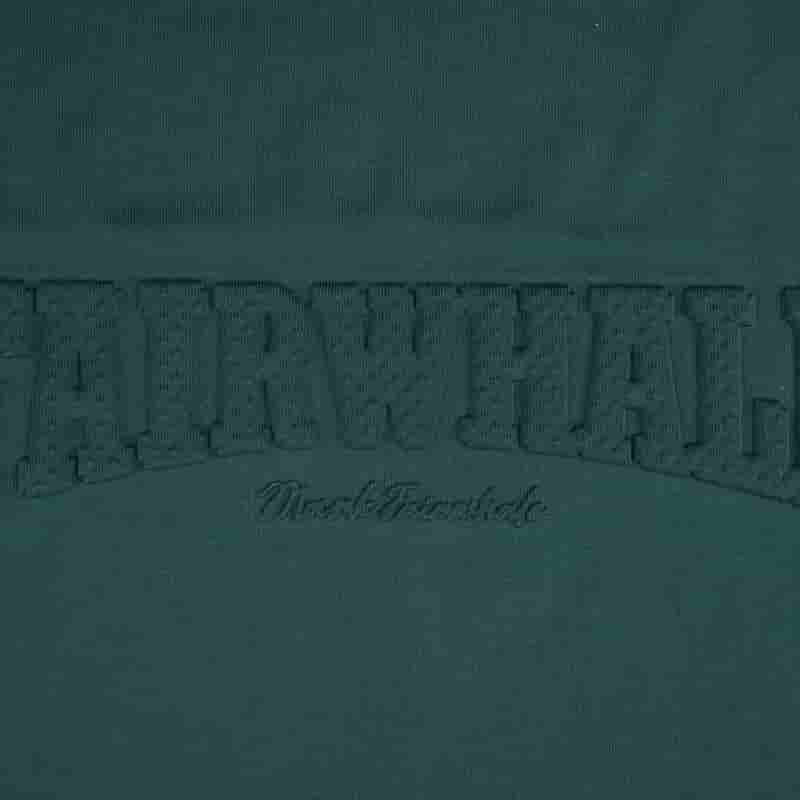
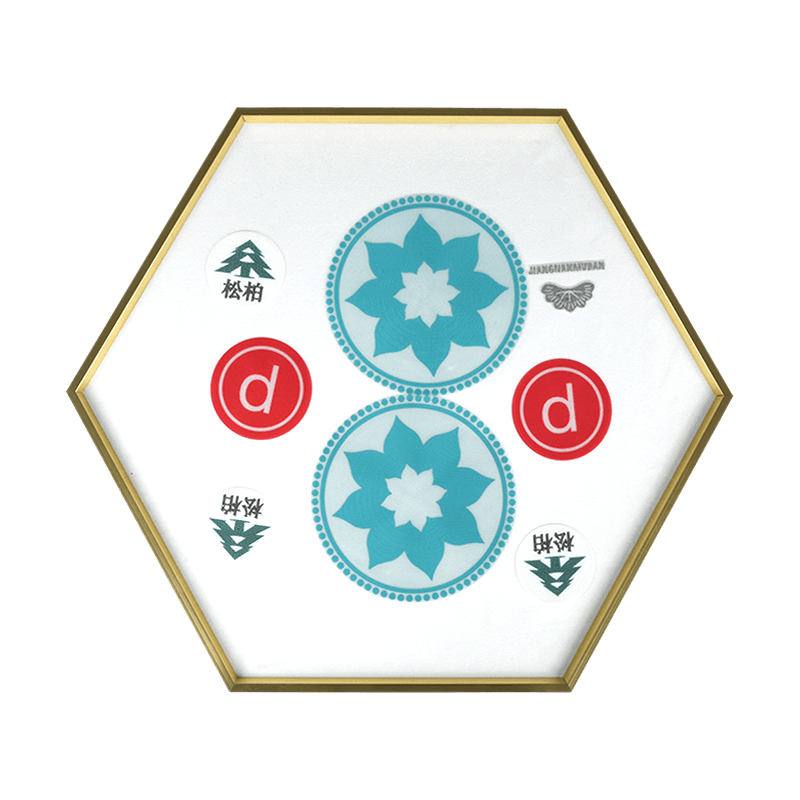
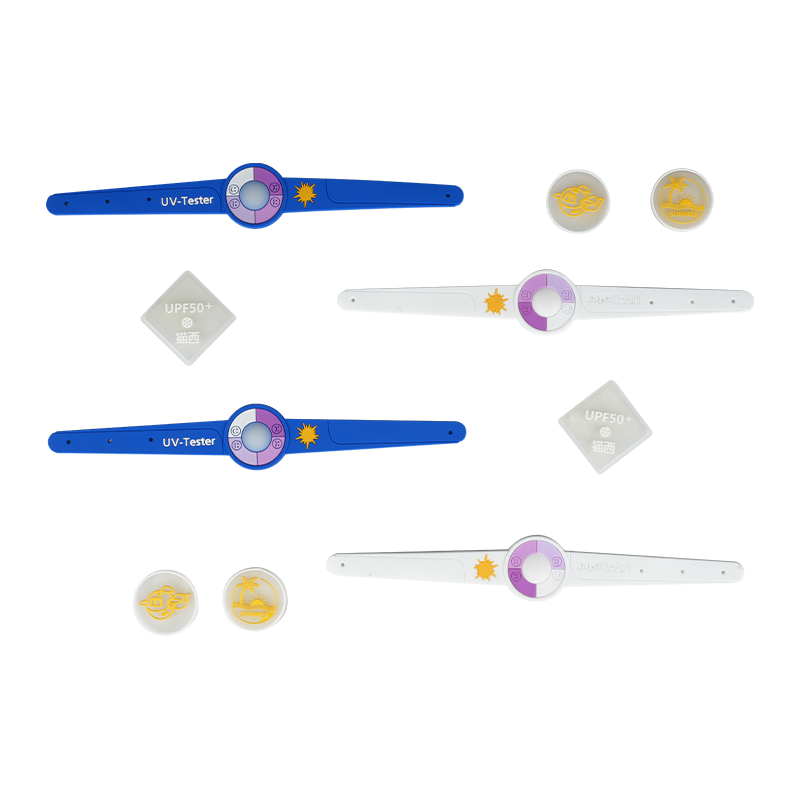
Silicone 3D and 2D labels represent the pinnacle of durability and visual impact in product branding. By molding liquid silicone into distinct elevations and intricate designs, these labels offer superior resistance to abrasion, UV exposure, and extreme temperatures. They far outlast standard fabric or paper tags, providing a premium, tactile identification solution for apparel, outdoor gear, and consumer goods. Ultimately, they ensure that your brand identity remains vivid, intact, and professional throughout the product's entire lifecycle.
The Core Material Advantages of Silicone Labels
The fundamental reason brands transition from traditional woven or printed labels to silicone is the inherent physical properties of the material. Silicone is a synthetic polymer known for its exceptional resilience and stability. Unlike standard plastics or fabrics that degrade, crack, or fade over time, silicone maintains its structural integrity even under severe environmental stress. This makes it an ideal medium for applications requiring permanent identification.
Exceptional Durability and Longevity
Silicone labels are engineered to survive the harshest conditions. They are completely waterproof, meaning they will not absorb moisture, rot, or develop mold. In extreme cold, the material remains flexible without becoming brittle, and in high heat, it will not melt or warp. This physical toughness guarantees that the label acts as a lifelong marker on the product.
Chemical and UV Resistance
Another critical advantage is the material's immunity to chemical degradation. Whether exposed to harsh industrial solvents, chlorine in swimming pools, or abrasive detergents, the colors and structure of the silicone remain unaffected. Furthermore, silicone inherently resists ultraviolet light degradation, ensuring that colors do not fade even after prolonged exposure to direct sunlight.
Understanding 2D Versus 3D Silicone Labels
While both 2D and 3D labels are crafted from the same robust material, the manufacturing techniques and visual outcomes differ significantly. The choice between the two depends entirely on the desired aesthetic, the complexity of the logo, and the budget of the branding project. Understanding these distinctions is vital for selecting the right application.
| Feature | 2D Silicone Labels | 3D Silicone Labels |
|---|---|---|
| Physical Profile | Flat surface, single-layer thickness | Multi-layered, raised and recessed areas |
| Visual Impact | Clean, subtle, and minimalist | Dynamic, highly tactile, and premium |
| Tactile Feedback | Smooth and uniform to the touch | Distinct ridges and valleys palpable by hand |
| Best Application | Undergarments, small accessories, corporate gifts | Outerwear, footwear, heavy-duty equipment |
2D labels utilize a flat molding process where the design is printed or debossed onto a single, uniform layer of silicone. They are sleek and prevent snagging on tight-fitting garments. Conversely, 3D labels involve a multi-layered molding process that creates actual depth, transforming a flat logo into a sculpted piece of branding.
The Manufacturing Process Explained
The creation of silicone 3D/2D labels is a meticulous process that blends industrial engineering with craftsmanship. The most common methods utilized are compression molding and injection molding, both of which require precision-designed metal molds to accurately capture the details of the brand's artwork.
- Mold Creation: A custom metal die is engraved with the negative space of the logo or design.
- Color Mixing: Raw, translucent liquid silicone is pigmented to match specific Pantone color requirements.
- Application: The colored silicone is carefully injected or placed into the mold cavities.
- Curing: The mold is heated under high pressure, causing the silicone to vulcanize and solidify into its final shape.
- Demolding and Finishing: The cooled label is removed, and any excess material is trimmed away to reveal the finished product.
For 3D labels, the process may involve injecting different colors sequentially or layering the material before the final curing stage. This careful application of heat and pressure ensures that the resulting label is dense, seamless, and highly resistant to peeling.
Diverse Applications Across Industries
The versatility of silicone labels allows them to be seamlessly integrated into a wide array of products. Their ability to be sewn, glued, or heat-welded onto various substrates makes them invaluable across multiple sectors.
Fashion and Performance Apparel
In the apparel industry, silicone labels are heavily utilized for activewear, streetwear, and outerwear. They provide a modern, sleek alternative to bulky embroidered patches. They are frequently found on the chest of hoodies, the back of baseball caps, and the sleeves of high-performance athletic jackets.
Outdoor Gear and Equipment
Because outdoor equipment is subjected to rain, mud, and constant friction, standard branding fails quickly. Silicone is the standard for backpacks, tents, and sleeping bags. The labels will not freeze and crack in alpine environments or degrade in humid tropical conditions.
- Footwear and Sneakers
- Automotive Interior Badging
- Medical Device Casing
- Luggage and Travel Bags
- Promotional Giveaways
- Electronic Device Cases
Key Design and Customization Considerations
Designing for silicone requires a shift in perspective compared to printing on paper or fabric. The material has a specific flow and viscosity, meaning overly thin lines or incredibly intricate gradients may not translate well into the physical mold. To ensure a high-quality result, several best practices should be followed during the design phase.
First, simplify the artwork. Bold, solid shapes and distinct color blocks render best in silicone. If the logo contains fine details, it is highly recommended to increase the overall size of the label to accommodate the molding process. Second, consider the attachment method. If the label is to be sewn onto a garment, a specific stitching channel or border must be incorporated into the design to provide a clean edge for the thread.
Finally, color matching is highly precise but relies on solid hues rather than gradients. By submitting specific color codes to the manufacturer, brands can achieve exact brand color consistency across thousands of units. Incorporating a debossed or recessed area on a 3D label can also create an excellent space for secondary detailing or a matte finish contrast against glossy raised sections.