

 +86-18967386982

 English
 Español
 عربى
عربىIndustry News
What Are Silicone 3D/2D Labels and Their Primary Value
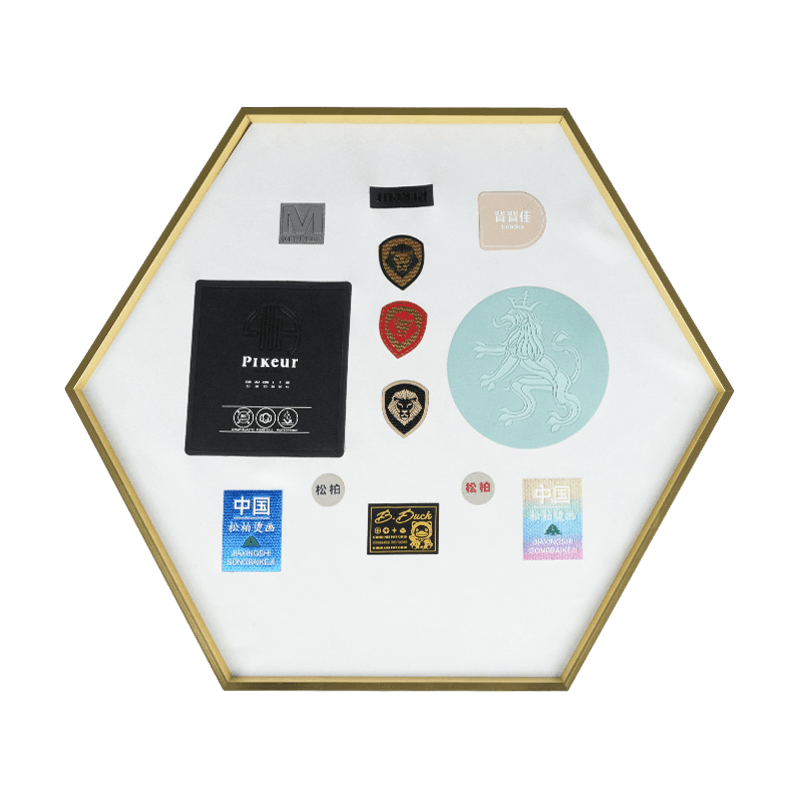
Silicone 3D and 2D labels are premium, highly durable branding components made from flexible silicone rubber, designed to be attached to various products for identification, decoration, and brand recognition. The primary value of these labels lies in their exceptional tactile feel, superior durability against environmental wear, and the ability to render intricate, multi-colored designs with high precision. While 2D silicone labels offer a flat, seamless integration with a smooth surface, 3D silicone labels feature raised, multi-layered structures that provide a dynamic visual and physical texture. Unlike traditional woven or printed fabric tags, silicone labels do not fade, fray, or peel easily, making them the ultimate choice for products that require long-lasting brand visibility under harsh conditions.
Whether applied to high-performance outdoor apparel, fashion accessories, or promotional merchandise, these labels elevate the perceived value of the product. They are engineered to withstand extreme temperatures, repeated washing cycles, and prolonged UV exposure without compromising their structural integrity or color vibrancy. This makes them a highly practical and aesthetic investment for manufacturers looking to establish a strong, enduring brand presence.
Distinctive Characteristics of 2D Versus 3D Silicone Labels
Understanding the physical differences between 2D and 3D silicone labels is crucial for selecting the right application method and achieving the desired aesthetic outcome. The core distinction lies in their dimensional profile and the manufacturing techniques used to achieve those profiles.
2D Silicone Labels
2D silicone labels are characterized by their flat, single-layer surface. The design is imprinted or formed on a single plane, meaning there are no significant raised elements or varying depths. This type of label is ideal for minimalist designs, logos with clean lines, and applications where a low-profile finish is desired. The manufacturing process typically involves a flat mold where liquid silicone is injected or dispensed and then leveled off. 2D labels are particularly favored for their sleek appearance and their ability to lie completely flush against the fabric, preventing any snagging.
3D Silicone Labels
3D silicone labels incorporate varying levels of height and depth, creating a three-dimensional effect. This is achieved by layering different amounts of silicone into specific mold cavities. Elements of the logo or design can be raised significantly above the base layer, creating a striking tactile experience. The multi-layered construction of 3D labels allows for intricate detailing, such as recessed text and raised borders, which significantly enhances the premium feel of the product.
| Feature | 2D Silicone Labels | 3D Silicone Labels |
|---|---|---|
| Surface Profile | Completely flat and smooth | Raised, multi-layered with depth |
| Tactile Feel | Smooth, subtle presence | Highly textured, prominent touch |
| Best Use Case | Minimalist branding, lightweight apparel | Premium accessories, heavy-duty gear |
| Manufacturing Complexity | Lower complexity, faster production | Higher complexity, requires precise layering |
Core Advantages of Using Silicone Material for Branding
The choice of material drastically affects the longevity and performance of a product label. Silicone rubber offers a multitude of physical and chemical advantages that make it vastly superior to traditional PVC, embroidered patches, or printed fabric tags.
- Exceptional Environmental Resistance: Silicone is inherently stable and does not degrade easily. It remains flexible in sub-zero temperatures and retains its shape and color even when exposed to boiling water or hot dryer cycles. This thermal stability ensures the label survives industrial laundering.
- Superior UV and Colorfast Properties: The pigments used in silicone labels are integrated at a molecular level. This prevents fading or yellowing even after prolonged exposure to direct sunlight, making them perfect for outdoor equipment and swimwear.
- Hypoallergenic and Eco-Friendly: Unlike PVC, which can contain harmful phthalates and release toxins over time, high-quality silicone is non-toxic, odorless, and safe for direct skin contact. It is also a more environmentally responsible material as it does not break down into microplastics as rapidly as conventional plastics.
- High Elasticity and Tear Resistance: The material stretches and bends without cracking or peeling. This flexibility is essential for garments worn during high-intensity activities, such as activewear and compression gear, where the fabric constantly moves and stretches.
Primary Application Scenarios and Industry Suitability
Silicone 3D/2D labels are highly versatile and have been adopted across a wide range of industries. Their ability to combine rugged functionality with high-end aesthetics makes them suitable for diverse products. They are particularly dominant in industries where products face harsh physical and environmental stress.
Performance Apparel and Footwear
In the athletic and outdoor clothing sector, these labels are frequently applied to jackets, tracksuits, and running shoes. Because they do not absorb moisture, they do not become heavy or harbor bacteria. A 3D silicone logo on the chest of a waterproof jacket acts as both a brand identifier and a stylish design element that complements the technical nature of the garment.
Bags, Luggage, and Accessories
Backpacks, duffel bags, and travel luggage benefit greatly from silicone labels. These items are subjected to constant friction, abrasion, and weather exposure. A sewn-on or heat-applied silicone label will not scuff or wear away like a printed logo, ensuring the brand remains visible for the entire lifespan of the bag.
Corporate Gifts and Promotional Merchandise
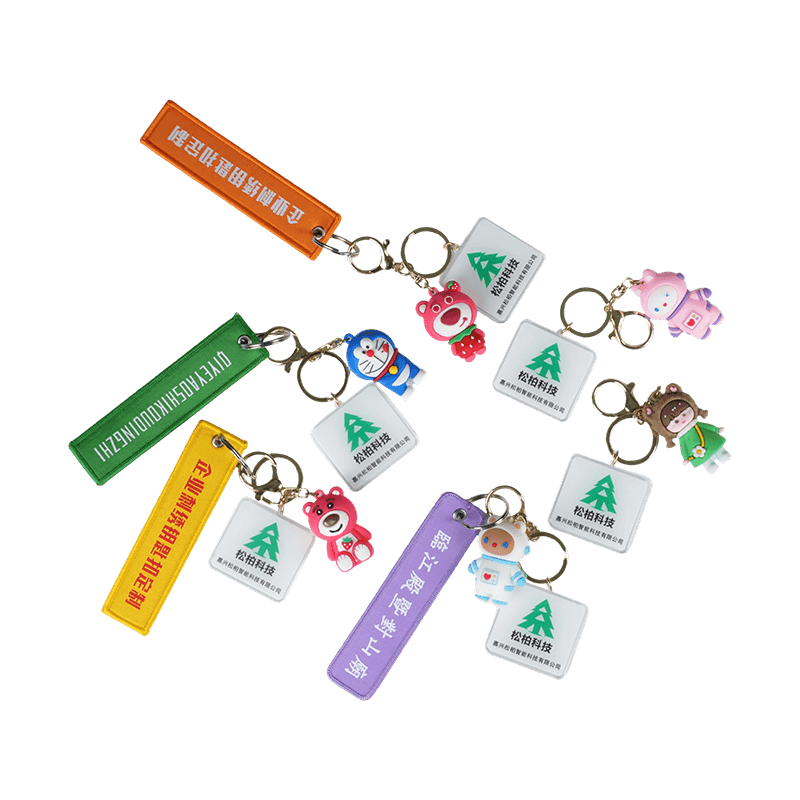
For corporate branding, silicone labels add a premium tactile quality to promotional items like lanyards, wristbands, keychains, and drinkware. The dimensional quality of a 3D label transforms a standard promotional product into a high-value corporate gift, increasing brand recall and perceived worth.
Design Customization and Manufacturing Process Guide
Creating a custom silicone label involves several precise steps, from digital design to physical molding. Understanding this process helps brands make informed decisions during the customization phase.
- Vector Design and Color Matching: The process begins with a high-resolution vector file of the logo. Colors are matched using standardized color systems to ensure brand consistency. Designers must decide which elements will be flat (2D) and which will be raised (3D) at this stage.
- Mold Creation (Tooling): A custom metal mold is engraved based on the design specifications. This mold dictates the exact dimensions, depth, and outline of the final label. The quality of this mold directly determines the sharpness and clarity of the label's edges.
- Silicone Dispensing and Layering: Liquid silicone rubber is injected or dispensed into the mold cavities. For multi-colored designs, different pigmented silicones are carefully injected into specific sections. For 3D effects, layers are built up sequentially, allowing each layer to cure slightly before the next is added to maintain structural separation.
- Curing and Finishing: The mold is heated to cure the silicone, solidifying the rubber into its final shape. Once removed, the labels undergo a finishing process where any excess flash (overflow material) is trimmed by hand or laser to ensure perfectly clean edges.
- Backing Application: Depending on the intended attachment method, an adhesive backing (such as heat-seal film) may be applied to the reverse side, or a fabric sewing channel may be left around the perimeter of the design.
Attachment Methods and Maintenance Best Practices
Selecting the correct attachment method is vital for ensuring the label remains securely fastened to the product. Furthermore, proper maintenance will extend the life of both the label and the item it adorns.
Common Attachment Techniques
There are two primary ways to affix a silicone label. The first is sewing, where a dedicated stitch line or channel is incorporated into the label design, allowing it to be sewn directly onto garments or bags. This method provides the highest mechanical strength. The second method is heat pressing, which utilizes a specialized heat-activated adhesive backing. The label is placed on the fabric and subjected to specific heat and pressure, bonding it securely. Heat pressing is faster and creates a seamless look but may require a fabric surface that can withstand the application heat.
Cleaning and Care Guidelines
Silicone labels are exceptionally easy to maintain. They can be washed in standard washing machines and dried in tumble dryers without special treatment. For stubborn dirt or stains on the label surface, a gentle wipe with a damp cloth and mild soap is usually sufficient. It is important to avoid using highly abrasive brushes or harsh chemical solvents (like acetone or strong bleaches), as these can degrade the adhesive backing over time or dull the surface finish of the silicone. By following standard care instructions for the garment itself, the silicone label will inherently maintain its pristine condition.