

 +86-18967386982

 English
 Español
 عربى
عربىIndustry News
Care label printing is a mandatory and critical process for textile and apparel products, with the core purpose of providing clear, durable, and accurate care instructions to users while complying with regional regulatory standards. High-quality care labels can maintain complete readability for more than 30 washing cycles, which is the basic standard for qualified printing. The entire process must prioritize material safety, printing durability, and regulatory compliance to ensure both product usability and legal conformity.
Primary Functions of Care Label Printing
Care label printing serves multiple irreplaceable functions in the textile industry, far beyond simple marking. It integrates legal requirements, consumer guidance, and product protection into one practical component.
Regulatory Compliance
Nearly all global markets have strict regulations for care labels, covering fiber content, country of origin, and care symbols. Non-compliant printed care labels can result in product recalls, fines, and restrictions from entering the market. This makes accurate printing a basic requirement for cross-border sales.
Consumer Guidance
Clear printed care instructions help consumers use and maintain products correctly. Statistics show that products with legible care labels have a 40% lower rate of damage caused by improper care, greatly improving user satisfaction and product service life.
Brand & Quality Trust
Well-printed care labels reflect strict quality control of products. Even without brand logos, standardized printing and clear information enhance the professional image of products and build trust among buyers and end users.
Common Materials for Care Label Printing
The selection of printing materials directly determines the performance and service life of care labels. Different materials are suitable for different product types and use scenarios, with unique advantages in washing resistance, softness, and cost-effectiveness.
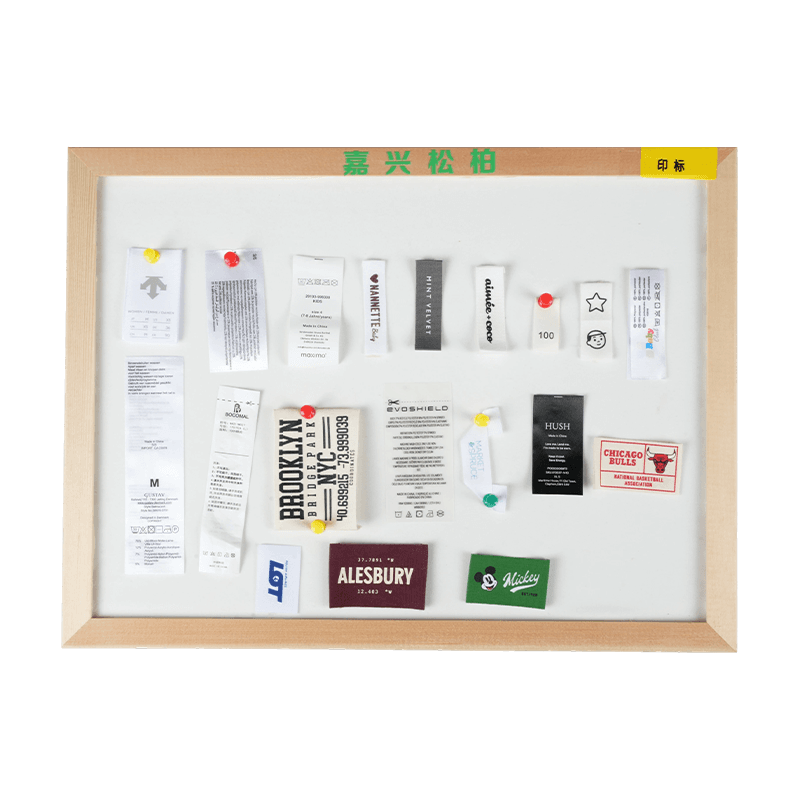
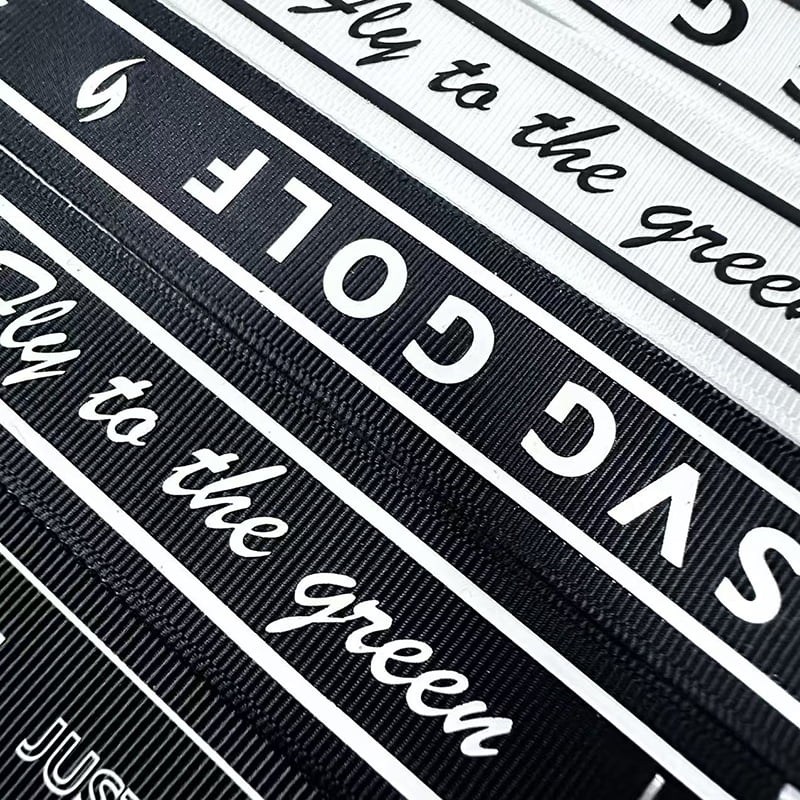
- Woven satin: Soft texture, high washing resistance, suitable for high-end apparel and long-term use products
- Polyester tape: Strong durability, friction resistance, low cost, widely used in daily clothing and home textiles
- Cotton tape: Eco-friendly and skin-friendly, ideal for infant clothing and sensitive skin products
- Non-woven fabric: Lightweight and low-cost, commonly used for temporary labels or lightweight textile products
Among these materials, polyester tape accounts for over 60% of the market share in care label printing due to its balanced performance and cost efficiency.
Main Printing Techniques for Care Labels
Different printing techniques directly affect the clarity, durability, and production efficiency of care labels. Choosing the right technique is essential for meeting product requirements and controlling production costs.
Screen Printing
One of the most traditional and widely used methods, featuring strong ink adhesion and excellent washing resistance. It is suitable for thick materials and large-font printing, with the advantage of high color fastness even in high-temperature washing environments.
Digital Printing
A modern technology with high flexibility, supporting small-batch production and customized patterns. It offers fast printing speed and high pattern clarity, making it ideal for diversified and personalized care label demands.
Hot Stamping Printing
Creates a smooth and glossy surface, mainly used for high-end products. It provides good wear resistance but has relatively higher production costs, limited to specific high-value textile items.
Key Quality Standards for Care Label Printing
Quality control is the core of care label printing, with unified evaluation standards for color fastness, readability, and safety to ensure long-term use in daily care scenarios.
| Quality Indicator | Standard Requirement | Testing Condition |
|---|---|---|
| Washing Fastness | No fading or falling off | 30+ washing cycles |
| Friction Fastness | No pattern damage | Dry & wet friction tests |
| Content Safety | No harmful substances | Textile safety regulations |
Color fastness grade 4 or higher is the international universal minimum standard for care label printing, which ensures that labels will not stain clothes or lose readability during use.
Global Regulatory Requirements for Care Label Printing
Care label printing must comply with regional laws and regulations, which specify mandatory content, symbol formats, and placement methods. Understanding these requirements is essential for smooth market access.
European Market
Requires clear fiber composition percentage, care symbols following international standards, and manufacturer information. Printed content must be permanent and cannot be easily removed from the product.
North American Market
Mandates country of origin, fiber content, and standardized care instructions. Printed labels must withstand normal use and care without fading or peeling, with strict restrictions on harmful ink ingredients.
International General Standards
Universal care symbols are adopted globally, including washing, bleaching, drying, ironing, and dry cleaning instructions. Printed symbols must be standardized in size and shape to avoid consumer misunderstanding.
Best Practices for Care Label Printing
To achieve high-quality and compliant care label printing, following practical operational guidelines can effectively improve product qualification rates and reduce quality risks.
- Select materials matching the product type: use skin-friendly materials for infant clothing, and durable materials for outdoor textiles
- Choose printing techniques based on usage scenarios: screen printing for high washing resistance, digital printing for small-batch customization
- Use eco-friendly and safe inks that meet global textile safety standards to avoid harmful substance residues
- Conduct durability testing before mass production, including washing, friction, and high-temperature tests
- Verify regulatory compliance of printed content to ensure consistency with the target market requirements
Implementing these practices can reduce the defect rate of care label printing to less than 2%, while ensuring long-term usability and full regulatory compliance of the final product.
Summary of Care Label Printing
Care label printing is an essential part of textile production that combines functionality, compliance, and durability. The core value is to provide permanent, clear, and safe care information for products while meeting the legal requirements of global markets. By selecting appropriate materials, mastering professional printing techniques, controlling quality strictly, and complying with regulations, enterprises can produce high-performance care labels that extend product life and protect consumer rights. With the continuous upgrading of textile industry standards, care label printing will develop towards higher durability, stronger environmental protection, and smarter customization, becoming a key link in improving overall textile product quality.