+86-18967386982

 English
 Español
 عربى
عربى
Home / News / Industry News / How Can Heat Transfer Labels Improve Your Brand’s Durability and Appeal?
Industry News


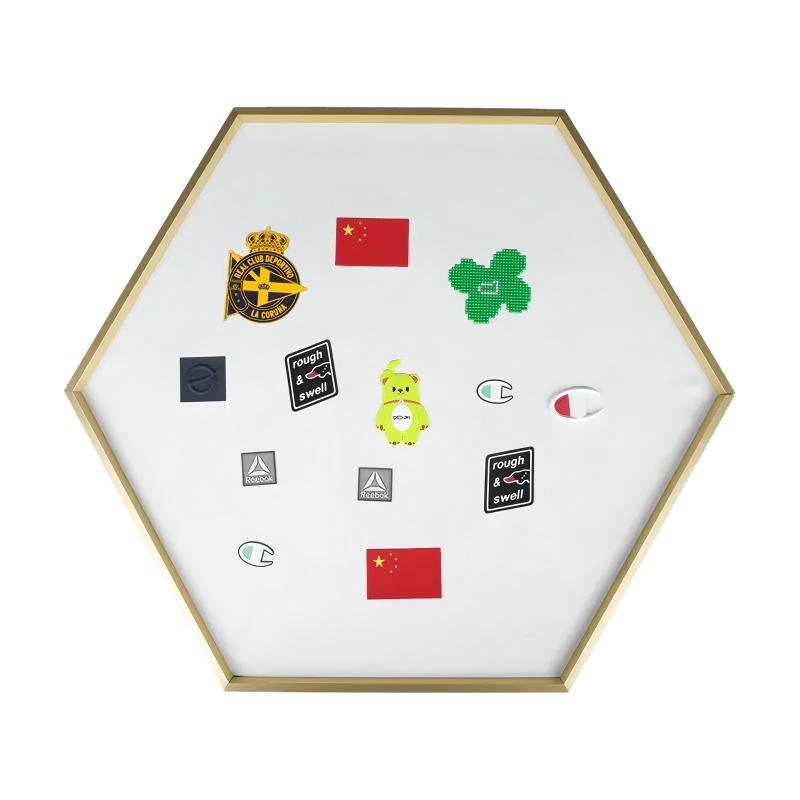
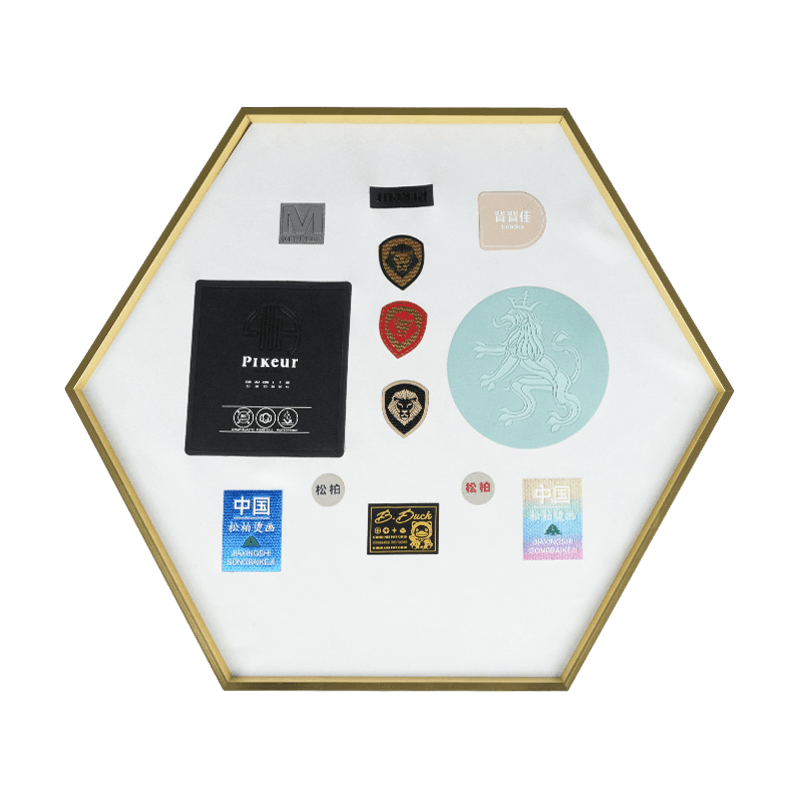
In modern industries, labels are not only tools for identification but also play multiple roles in brand promotion, information transmission, and product quality assurance. With the continuous development of technology, heat transfer labels have gradually become one of the most popular types of labels on the market. Heat transfer labels not only provide high-quality printing effects but also, due to their durability and adaptability, are widely used in various industries.
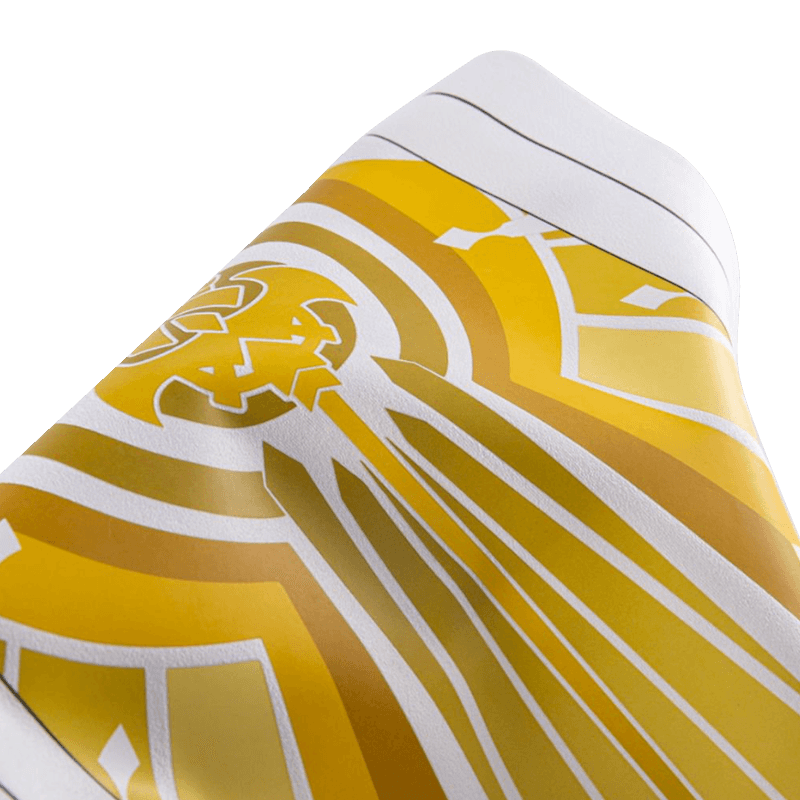
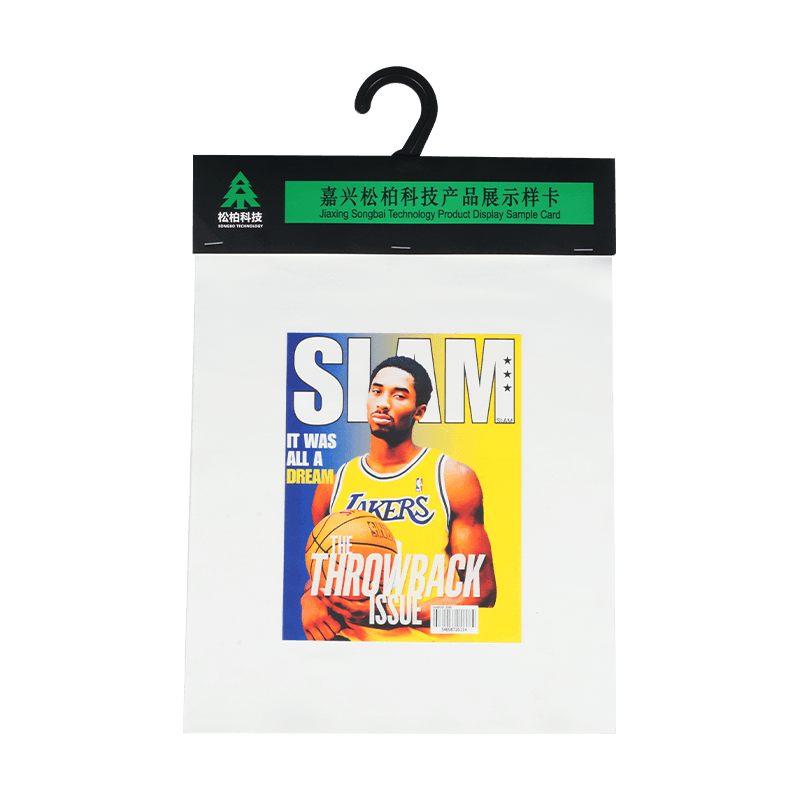
The core of heat transfer labels lies in their production process: transferring patterns or text from transfer paper to the target material by heating. This process differs from traditional adhesive labels, as heat transfer labels can maintain clearer patterns and more durable colors. As a result, more and more companies choose to use heat transfer labels to enhance the appearance and brand image of their products.
This article will explore various applications, durability, customization processes, materials, and design tips for heat transfer labels, helping readers gain an in-depth understanding of their advantages and how to effectively utilize them.
Heat transfer labels, due to their unique advantages, are widely used in many industries. Below are some of the main application scenarios:
Heat transfer labels were first widely used in the apparel industry. Compared with traditional woven labels, heat transfer labels offer many unique advantages. Firstly, heat transfer labels provide more refined printing effects, capable of displaying complex patterns and fine text, making them particularly popular in high-end fashion brands. Secondly, heat transfer labels are softer and more flexible, making them easier to adhere to fabric surfaces without causing discomfort when worn. In addition, heat transfer labels are generally more durable than traditional woven labels and are less likely to fade or deform.
For example, sportswear and outdoor clothing labels often need to withstand washing and friction. Heat transfer labels maintain their pattern clarity after multiple washes and are less likely to fall off, making them ideal for high-intensity usage scenarios.
In the electronics industry, particularly on mobile phones, computers, and other small electronic device casings, heat transfer labels are widely applied. The outer casings of electronic products often require brand logos, usage instructions, and warning labels. Due to the need to withstand environmental changes, heat transfer labels exhibit high durability and resistance to high temperatures in this scenario. They can maintain stable printing effects at higher temperatures and are highly resistant to abrasion.
Moreover, heat transfer labels have excellent adhesion, allowing them to bond tightly to various plastic and metal surfaces. This strong adaptability makes them suitable for precision products. With the continuous development of the appearance design of electronic products, heat transfer labels have also become an essential element in enhancing product aesthetics.
The food industry has strict requirements for labels, especially regarding product information and compliance. Heat transfer labels are widely used in food packaging due to their strong adhesion to various packaging materials. Whether it’s paper bags, plastic bottles, or aluminum foil packaging, heat transfer labels can adapt perfectly and also have excellent resistance to moisture and contamination.
In addition, heat transfer labels have vibrant colors that don’t easily fade, making them ideal for displaying brand information and nutritional content on food packaging. By using heat transfer labels, food manufacturers can ensure that the label remains intact during transportation and storage, keeping the information clearly visible.
In the automotive industry, heat transfer labels play an important role. Automotive logos, control panels, seat labels, and safety labels in the engine compartment can all be made using heat transfer technology. Heat transfer labels can withstand extreme temperatures, humidity, and UV exposure, making them ideal for parts in the automotive industry that are exposed to harsh environments for long periods.
For instance, heat transfer labels are often used for safety information or brand logos on automotive interior components. These labels need to possess strong anti-aging and abrasion resistance to ensure their effectiveness over long-term use.
The durability of heat transfer labels is one of the main reasons they are favored across various industries. They perform well in various environmental conditions. Below are some important dimensions of heat transfer label durability:
The wash resistance of heat transfer labels is a crucial factor in the apparel industry’s use of heat transfer technology. Traditional woven labels or ordinary adhesive labels often experience issues such as peeling, fading, or deformation after multiple washes. In contrast, heat transfer labels maintain their pattern and text integrity due to their unique printing process and the special materials used.
This wash resistance applies not only to regular clothing labels but also to high-performance clothing (e.g., sportswear, outdoor apparel, etc.), ensuring the clarity and durability of the label even after multiple wash cycles.
Heat transfer labels have excellent high-temperature resistance and can maintain their stability in higher temperature environments. This makes them particularly suitable for scenarios involving automotive, electronic products, and other applications exposed to heat. During production, the patterns and text on heat transfer labels are fixed onto the substrate at high temperatures, so the labels themselves are highly resistant to heat.
For instance, heat transfer labels used in automotive engines or electronic circuit boards maintain their clarity and durability despite high-temperature environments, ensuring the label’s effectiveness for long-term use.
Heat transfer labels are also highly resistant to scratching and chemical exposure, which is another important aspect of their durability. Because the printed layer on the label is firmly transferred onto the substrate, the labels are less likely to suffer from abrasion or chemical damage compared to traditional labels. In some high-demand industries, such as electronics and automotive, heat transfer labels’ scratch resistance ensures that the information on the labels remains visible and clear throughout their usage.
Furthermore, heat transfer labels exhibit strong chemical resistance, making them suitable for applications in harsh environments, such as chemical product packaging or automotive engine components.
Customizing heat transfer labels is an essential method for many brands and businesses to enhance their product’s recognition and quality. By customizing labels, companies can create unique labels tailored to their specific needs and product characteristics. Below are key factors to consider when customizing heat transfer labels:
The design process for heat transfer labels typically involves several steps: choosing the right label materials, designing the patterns, and determining the size and shape of the label. During the design process, businesses need to closely collaborate with label manufacturers to ensure that the design can be successfully transferred onto the target material.
A well-designed label can significantly enhance the brand image of the product, making it stand out in the market. For example, simple yet creative patterns can attract consumers’ attention, boosting the product’s attractiveness.
Color and pattern selection is one of the most crucial parts of heat transfer label design. Heat transfer technology allows for highly accurate color transitions and pattern displays. When choosing label colors, companies should consider consumer psychology and the overall design style of the product.
Pattern design should be adjusted based on the brand’s personality. For example, sports brands may prefer modern and dynamic patterns, while luxury brands may lean toward simple and elegant designs.
One of the benefits of customizing heat transfer labels is the ability to produce them in small batches, which is especially important for small businesses or emerging brands. Small batch production allows companies to test the market response to different designs and styles without taking on large risks.
Small batch production not only reduces inventory risks but also helps companies save costs and improve production efficiency.
The quality of heat transfer labels is closely related to the materials used. Choosing the right materials can enhance the label’s durability and ensure compatibility with specific products. Below are some common materials used for heat transfer labels and their characteristics:
In the production of heat transfer labels, common materials include polyester, polyurethane, PVC, paper, and fabrics. Each material has its own advantages and applicable scenarios:
With growing environmental awareness, many companies have started focusing on the environmental friendliness of heat transfer labels. Eco-friendly labels not only reduce environmental impact but also enhance the brand’s image of social responsibility. Below are some common eco-friendly heat transfer label materials:
The choice of materials for heat transfer labels directly affects the label’s appearance and durability, as well as its application range. Selecting the right material should be based on the specific application scenario. For example, high-end fashion brands may prefer using flexible and durable polyurethane materials, while industries like electronics or automotive prefer sturdier materials like polyester and PVC.
In addition, different materials affect the printing effect and color saturation of the label. To ensure clear patterns and vibrant colors, the material must be compatible with the inks used in the printing process.
The design of heat transfer labels is not just an artistic endeavor; it also needs to align with the target product’s market positioning, brand image, and consumer needs. Below are some design tips for heat transfer labels:
A good heat transfer label design can attract consumers’ attention and increase product recognition. The brand and consumer’s needs should be the primary reference points when designing. Below are a few design tips:
Heat transfer labels are an important tool for brand promotion. A unique label design allows a brand to effectively communicate its culture and core values. During the design process, it’s essential to ensure the brand logo is clearly visible and aligns with the overall design style.
Brand logos need to be easily recognizable and resistant to fading. For premium brands, logo designs are often more intricate and focus on fine details, while more mainstream brands may prioritize visibility and simplicity.
In the heat transfer label design process, there are several common mistakes that designers should avoid:
Through the discussions above, we can see that heat transfer labels not only have a wide range of applications but also offer significant advantages in terms of durability, customization, material selection, and design. Whether in the apparel, electronics, food packaging, or automotive industries, heat transfer labels play a key role in enhancing product appearance and brand value.
With the continuous advancement of technology, the application scenarios for heat transfer labels will become even broader, and more innovative label designs and material choices are expected to emerge. For businesses, understanding how to select the right heat transfer label based on market needs and product characteristics will be key to improving product competitiveness and enhancing brand influence.
Therefore, understanding the various advantages and practical techniques for using heat transfer labels is essential for brand owners, manufacturers, and designers. In the future, heat transfer labels will continue to maintain their crucial position across industries, becoming an indispensable part of products.

[email protected]

+86-18967386982

Manager Yu

3rd Floor, Building 15, Xinhua Road, Baibu Town, Haiyan County, Jiaxing City, Zhejiang Province, China