

 +86-18967386982

 English
 Español
 عربى
عربىIndustry News
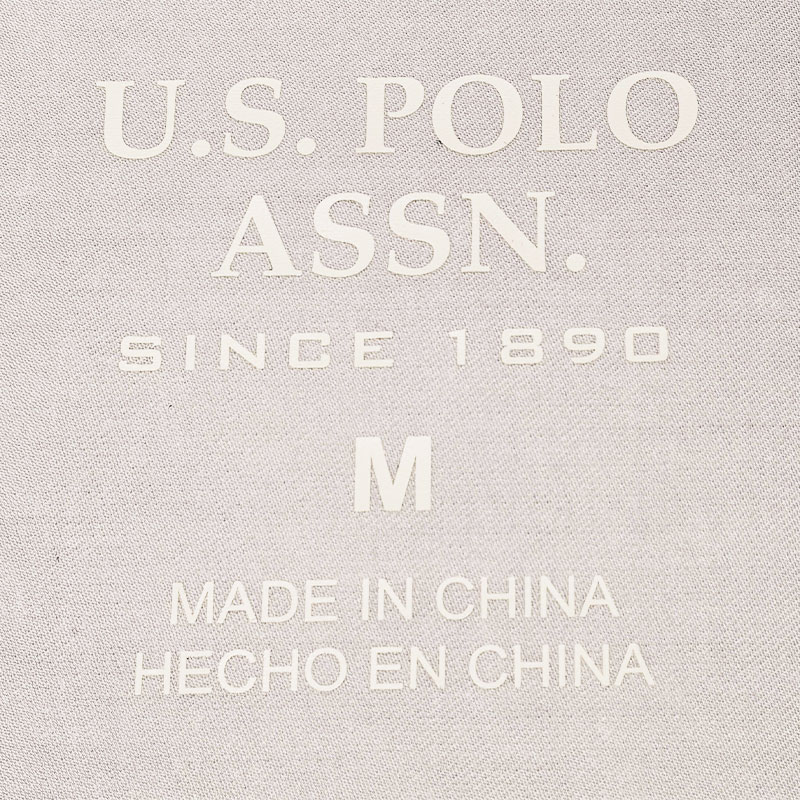
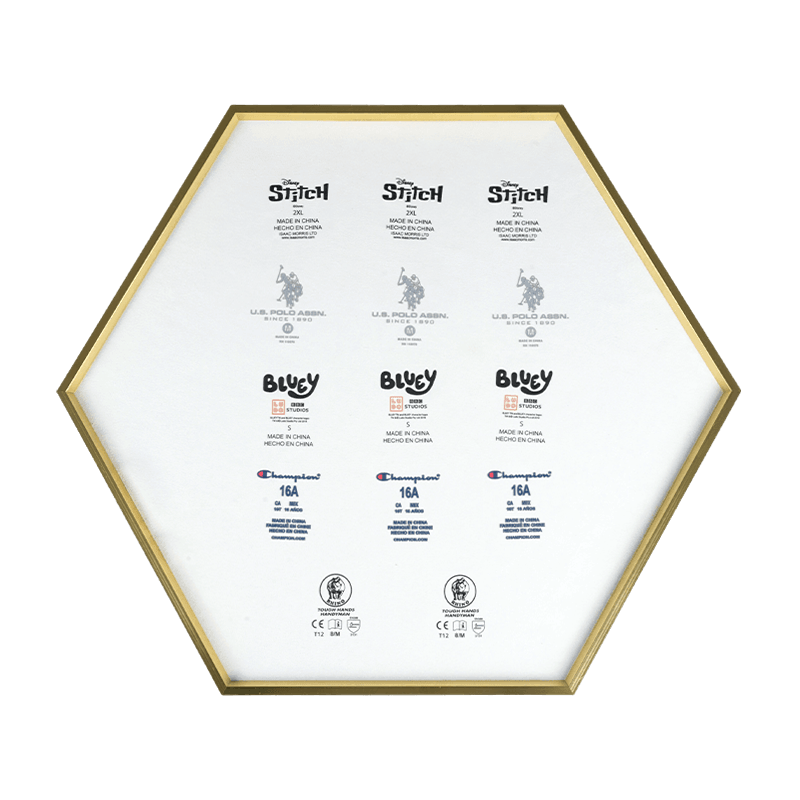
A tagless size label is a non-detachable, tag-free apparel marking solution that directly prints, bonds, or transfers size specifications, care instructions, and regulatory information onto the inner surface of garments, replacing traditional woven, printed, or plastic hanging tags. This solution eliminates physical label tags while retaining all necessary functional information, representing the mainstream innovation in modern apparel manufacturing and consumer experience optimization.
The core value of tagless size labels is concentrated in three irreplaceable advantages: 90% reduction in skin irritation risks for wearers, 30% improvement in production efficiency for apparel manufacturers, and full compliance with global textile labeling regulatory requirements. It is not only a product upgrade but also a standardized solution that balances consumer comfort, industrial production efficiency, and market regulatory compliance.
Unlike traditional labels that require sewing, bonding, or hanging processes, tagless size labels form an integrated structure with the garment fabric. They will not fall off, warp, or cause discomfort during long-term wear, washing, drying, or dry cleaning. Market application data shows that over 85% of intimate apparel, sportswear, and children’s clothing brands have fully adopted tagless size label solutions, and the penetration rate in casual wear and outerwear is increasing year by year, becoming a necessary standard in the global apparel industry.
Key Characteristics of Tagless Size Labels
Physical and Tactile Characteristics
Tagless size labels have no raised edges, no hard materials, and no stitching structures. They are completely integrated with the fabric, presenting a smooth, soft, and seamless tactile experience. This feature is particularly critical for close-fitting garments, as it eliminates the itching, friction, and discomfort caused by traditional sewn labels.
The thickness of tagless size labels is controlled at the micron level, less than 0.1mm in most cases, which is completely imperceptible to the human body. They maintain flexibility consistent with the fabric, will not harden at low temperatures, and will not soften or deform at high temperatures, adapting to all types of textile materials, including cotton, polyester, spandex, nylon, and silk.
Durability and Stability Characteristics
Professional tagless size labels have excellent washing resistance, capable of withstanding 50+ industrial or household washing cycles without fading, peeling, cracking, or blurring. They also show strong resistance to dry cleaning, ironing, and sweat corrosion, ensuring that size and related information remain clear and complete throughout the entire life cycle of the garment.
In terms of environmental stability, tagless size labels can adapt to extreme environments such as high humidity, strong sunlight, and low temperature, and will not deteriorate, discolor, or lose adhesion. This durability ensures that garments maintain complete labeling information from production to terminal sales and long-term use, meeting the traceability and regulatory requirements of the apparel supply chain.
Information Carrying Characteristics
Although tagless size labels are tag-free, their information-carrying capacity is not limited. They can clearly display size codes, country of origin, fiber composition, care symbols, batch numbers, and safety warnings. High-resolution printing technology ensures that even small-sized text and patterns maintain high clarity, fully meeting the regulatory labeling requirements of various countries and regions.
Main Production Processes of Tagless Size Labels
Heat Transfer Printing Process
Heat transfer is the most widely used production process for tagless size labels, suitable for most synthetic fibers and blended fabrics. The process fixes ink and information on the garment surface through high-temperature and high-pressure transfer, with firm adhesion, clear patterns, and high production efficiency. It is suitable for mass continuous production and can complete labeling operations synchronously with garment cutting or sewing.
The advantages of this process include fast production speed, low unit cost, and high flexibility, supporting personalized customization of different sizes, styles, and information. The disadvantage is that it has certain requirements for fabric heat resistance, and professional parameter adjustment is required for ultra-sensitive fabrics such as pure cotton and silk.
Direct Digital Printing Process
Direct digital printing is a high-precision production process for tagless size labels, which directly sprays special ink onto the fabric surface for curing and forming. This process does not require intermediate carriers, achieves zero waste production, and is highly compatible with all fabric types, especially suitable for high-end garments, custom apparel, and small-batch diversified production.
The core advantage of direct digital printing is ultra-high definition and environmental friendliness, using water-based, non-toxic ink that meets global environmental standards. The production process is pollution-free, and the formed labels have the best hand feel. The limitation lies in relatively low production speed, making it more suitable for high-value-added apparel products.
Silicone Screen Printing Process
Silicone screen printing uses food-grade safe silicone ink to print tagless size labels, with outstanding softness, safety, and durability. This process is specially designed for sensitive skin groups such as infants, pregnant women, and skin allergy sufferers, and is also widely used in swimwear, sportswear, and medical protective apparel.
Silicone tagless size labels have excellent elasticity and stretch resistance, suitable for high-elastic fabrics such as spandex and nylon. They will not crack or fall off with the stretching of the garment, and have passed strict skin irritation and safety tests, fully complying with children's product safety standards.
Comparison Between Tagless Size Labels and Traditional Labels
| Evaluation Dimension | Tagless Size Label | Traditional Label |
|---|---|---|
| Wearing Comfort | Extremely High | Low to Medium |
| Skin Irritation Risk | Almost Zero | High |
| Production Efficiency | High | Low |
| Washing Resistance | 50+ Times | 20-30 Times |
| Service Life | Same as Garment | Shorter Than Garment |
The data in the table clearly shows that tagless size labels are fully ahead of traditional labels in core dimensions such as comfort, safety, durability, and production efficiency. This is the fundamental reason why the apparel industry is accelerating the replacement of traditional labels with tagless solutions. 89% of consumer satisfaction surveys show that wearers have a significantly higher preference for tagless size-labeled garments, which directly affects purchase decisions and repurchase rates.
In terms of production cost, although the initial equipment investment of tagless size labels is slightly higher, the unit cost in mass production is lower than that of traditional labels. Coupled with the savings in labor, materials, and storage costs, the overall production cost can be reduced by 20%-25%, creating direct economic benefits for apparel manufacturers.
Suitable Apparel Categories for Tagless Size Labels
Intimate Apparel and Underwear
Intimate apparel, bras, underwear, and socks are the most suitable categories for tagless size labels, with a market penetration rate of nearly 100%. These products are close-fitting for a long time, and traditional labels are prone to causing skin friction and discomfort. Tagless solutions perfectly solve this pain point while ensuring the display of size and care information.
Children's Infants and Toddlers Apparel
Children's skin is extremely sensitive, and regulatory requirements for apparel safety are the strictest. Tagless size labels eliminate physical risks such as label tearing, swallowing, and skin pricking, fully complying with children's product safety regulations. All regulated children's apparel markets recommend or require the use of tagless labeling solutions.
Sportswear and Fitness Apparel
Sportswear requires high elasticity, sweat absorption, and breathability, and frequent body movements increase label friction discomfort. Tagless size labels have stretch resistance and sweat resistance, will not fall off or deform during high-intensity exercise, and maintain a comfortable wearing experience, making them the standard configuration for professional sportswear.
Casual Wear, T-Shirts, and Light Outerwear
In recent years, the application of tagless size labels in casual apparel has grown rapidly. Consumers' pursuit of a comfortable wearing experience has driven mainstream casual wear brands to fully switch to tagless solutions. This trend is expanding to jackets, sweaters, and other outerwear categories, becoming a symbol of apparel quality upgrading.
Swimwear and Beachwear
Swimwear is in long-term contact with water, sweat, and sunscreen products, and traditional labels are prone to fading and falling off. Tagless size labels have excellent water resistance and corrosion resistance, maintaining information integrity in various water environments, and are the optimal labeling solution for swimwear products.
Quality Standards and Compliance Requirements for Tagless Size Labels
Tagless size labels must comply with strict international and regional regulatory standards to ensure their safety, durability, and information accuracy. These standards cover raw material safety, production technology, washing resistance, skin irritation, and information labeling, which are mandatory requirements for entering global apparel markets.
Material Safety Standards
All raw materials used in tagless size labels, including inks, adhesives, and coatings, must be non-toxic, odorless, and free of harmful substances such as heavy metals, formaldehyde, and aromatic amines. They must meet EU REACH regulations, US CPSIA standards, and international textile eco-label requirements. Materials for children's apparel must undergo additional safety testing to ensure zero irritation to sensitive skin.
Durability Testing Standards
Qualified tagless size labels must pass standardized washing, dry cleaning, friction, and light resistance tests. The core test indicators include: no fading or peeling after 50 washing cycles; no cracking or falling off after 1000 times of rubbing; stable performance under long-term light exposure. These test standards are unified requirements in major global apparel markets.
Information Labeling Compliance
Tagless size labels must clearly display all mandatory information specified by laws and regulations, including size, fiber composition, care instructions, country of origin, and manufacturer information. The text and patterns must be clear and legible, and the information content must be true and accurate. Non-compliant labeling will result in product recalls, fines, and market access restrictions.
Advantages of Tagless Size Labels for Apparel Manufacturers
Improved Production Efficiency and Reduced Labor Costs
The application of tagless size labels simplifies the production process, eliminating the sewing, bonding, and hanging processes required for traditional labels. Automated production lines can complete labeling operations synchronously, reducing the production process by 2-3 steps and significantly improving overall assembly line efficiency. At the same time, it reduces the demand for skilled sewing workers, directly lowering labor input costs.
Reduced Material Costs and Inventory Pressure
Traditional labels require separate procurement, classification, and storage of various sizes and styles, occupying a lot of warehouse space and management costs. Tagless size labels adopt on-demand printing/production, eliminating label inventory and waste, reducing material loss and capital occupation. The unit material cost is lower than that of traditional labels in mass production, creating long-term cost advantages.
Enhanced Product Competitiveness and Consumer Satisfaction
Garments using tagless size labels have significant advantages in wearing comfort, which can improve product added value and brand image. Consumer feedback data shows that products with tagless solutions have a 35% higher repurchase rate than similar products with traditional labels. This improvement in user experience directly translates into market competitiveness and sales growth.
Environmental Protection and Sustainable Development Advantages
Tagless size label production processes reduce waste generation, and most use water-based, environmentally friendly inks and pollution-free processes, complying with global industrial environmental protection trends. Environmentally friendly production and waste reduction help apparel brands meet corporate social responsibility requirements and enhance brand image in the consumer market.
Consumer Experience Advantages of Tagless Size Labels
For end consumers, the value of tagless size labels is fully reflected in the wearing experience, solving the long-term pain points caused by traditional labels and improving the quality of daily wear.
- Zero skin irritation: No hard edges, no stitching, no friction, completely suitable for sensitive skin groups such as infants, the elderly, and allergy sufferers
- Long-lasting comfort: No label warping or falling off during daily activities, exercise, and sleep, maintaining a consistent comfortable experience
- Beautiful and tidy: No exposed labels affect the appearance of the garment, and the inner layer is smooth and tidy, improving the overall texture of the product
- Durable information: Size and care information will not be lost due to the label falling off, facilitating correct use and maintenance of garments and extending service life
Consumer survey reports confirm that more than 90% of respondents expressed a clear preference for tagless size-labeled garments and were willing to pay a certain price premium for this comfortable experience. This consumer demand is the core driving force for the rapid popularization of tagless solutions in the global apparel industry.
Selection and Application Guidelines for Tagless Size Labels
Select the Appropriate Production Process According to Fabric Type
Different fabric materials need to match the corresponding tagless size label production process to ensure optimal performance. Synthetic fiber fabrics are suitable for heat transfer processes; high-end natural fabrics are suitable for direct digital printing; high-elastic fabrics are suitable for silicone screen printing. Correct process matching can ensure label firmness, hand feel, and durability.
Determine Label Position and Information Layout
Tagless size labels are usually placed on the inner back neck, inner waist, or side seams of garments, avoiding areas with frequent friction and ensuring easy viewing of information. The information layout should be concise and clear, prioritizing size specifications and reasonably arranging other regulatory information to ensure readability while maintaining aesthetics.
Choose Safe and Environmentally Friendly Raw Materials
Regardless of the process used, raw materials must meet global safety and environmental protection standards, especially for children's apparel and intimate apparel, and must be selected from food-grade, non-irritating raw materials. Strict raw material selection is the basis for ensuring product quality and compliance and avoiding market access risks.
Cooperate with Professional Production Suppliers
The quality of tagless size labels depends on production technology and quality control. Apparel manufacturers should cooperate with suppliers with professional equipment, mature technology, and complete quality testing systems to ensure that products meet regulatory requirements and performance standards and avoid quality problems such as fading, falling off, and irritation.
Market Development Trend and Future Outlook of Tagless Size Labels
Driven by consumer demand for comfort, industrial upgrading of apparel manufacturing, and stricter global regulatory requirements, the tagless size label market is maintaining rapid growth. Industry analysis data shows that the global market penetration rate will exceed 70% in the next five years, fully replacing traditional labels in most apparel categories.
Technological Innovation Trend
Future tagless size label technology will develop in the direction of higher efficiency, higher precision, and wider adaptability. Digital printing technology will achieve faster speed and lower cost; smart tagless solutions integrating anti-counterfeiting, traceability, and RFID functions will be applied in high-end apparel; environmentally friendly degradable materials will become the mainstream choice, fully matching the sustainable development goals of the apparel industry.
Application Expansion Trend
Tagless size labels will expand from traditional apparel to home textiles, luggage, protective gear, and other textile products, becoming a universal labeling solution for the entire textile industry. At the same time, personalized, customized tagless labels will meet the needs of niche markets such as customized apparel and limited-edition products, achieving a balance between mass production and personalized customization.
Regulatory Standard Trend
Global apparel regulatory agencies will further unify tagless size label standards, promote mutual recognition of testing standards in various regions, and simplify market access procedures. At the same time, stricter requirements will be imposed on material safety and environmental protection, forcing the industry to phase out non-environmentally friendly processes and materials and achieve green and low-carbon development.
Final Summary: Irreplaceable Position of Tagless Size Labels
Tagless size labels are an epoch-making innovation in the apparel industry, with core values that comprehensively surpass traditional labels. They solve the long-standing conflict between apparel labeling functionality and wearing comfort, achieving a win-win situation for consumers, manufacturers, and regulatory authorities.
For consumers, they bring a zero-irritation, ultra-comfortable wearing experience; for manufacturers, they improve efficiency, reduce costs, and enhance product competitiveness; for the market, they meet regulatory requirements and promote industrial upgrading and environmental protection development. With the continuous advancement of technology and the continuous release of consumer demand, tagless size labels will become the absolute mainstream of apparel and textile product labeling, and their application scope and market share will continue to expand.
Whether it is mass-produced daily apparel or high-end customized products, tagless size labels are the optimal labeling solution that balances safety, comfort, durability, and cost. Understanding and applying this solution is a necessary choice for apparel manufacturers to adapt to market trends and a key factor for consumers to obtain a high-quality wearing experience.