

 +86-18967386982

 English
 Español
 عربى
عربىIndustry News
How Silicone Labels Are Made
The manufacturing process starts with liquid silicone that's injected or screen-printed onto a release film in the required design. Multiple layers are built up to create the 3D profile — typically 1–3mm of raised height for a standard logo patch, with higher relief possible for premium or decorative applications. The layers are cured between applications to lock in the shape. A bonding adhesive is applied to the back of the finished patch.
Application to the garment uses heat and pressure. The silicone patch bonds to the fabric surface during the heat press cycle, and the bond strength on polyester and nylon — the most common fabrics in activewear — is strong enough to outlast the garment in most cases. The patch doesn't crack the way plastisol ink transfers do, because silicone is inherently flexible and elastic. It moves with the fabric rather than resisting it, which is why silicone labels survive the repeated stretch and recovery cycles that performance fabrics experience in athletic use.
For 2D silicone labels — flat rather than raised — the process is similar but without the build-up of multiple layers. The result is a soft, flexible label with a smooth silicone surface that feels noticeably different from both woven labels and standard ink transfers against skin.
Where Silicone Labels Work Well
Activewear and Sportswear
This is the category where silicone labels make the most sense from a performance standpoint. The wash durability is genuinely better than ink transfers in the conditions activewear encounters — frequent washing, sometimes at higher temperatures, often with sports-specific detergents, sometimes tumble-dried. The flexibility means the label doesn't crack at stress points when the garment is stretched. And the tactile quality of a silicone interior label — flat, smooth, slightly warm — is more comfortable against skin during exercise than the alternatives.
Exterior silicone patches on sportswear also serve a functional role beyond branding. Silicone applied to grip zones — inside waistbands to prevent garments from riding up, on the inside of shorts to hold cycling jerseys in place, on yoga mat straps — combines the branding and functional purposes in a single element. The non-slip property of silicone is a practical product feature, not just decoration.
Children's Clothing
Children's wear brands use silicone labels for two reasons: comfort and durability. Kids are more sensitive to label discomfort than adults, and soft silicone interior labels are among the most comfortable options available. The durability argument is equally practical — children's clothing gets washed far more frequently than adult clothing, and parents aren't gentle about it. A silicone label that survives 100 washes is worth more than a cheaper transfer that starts peeling at 30.
Premium Casual and Fashion
Outside of performance categories, silicone labels are used by fashion brands as a deliberate aesthetic choice. The raised 3D surface creates visual texture and depth that flat prints can't replicate. A raised silicone logo on the chest of a hoodie or the hem of a t-shirt has a tactile presence that reads as premium — you can feel the logo as well as see it. Some brands use transparent or semi-transparent silicone for a subtle, tonal effect that's visible in direct light but nearly invisible at a distance.
2D vs 3D Silicone Labels: What the Difference Means in Practice
The terms are fairly self-explanatory, but the applications overlap less than you'd expect.
3D silicone labels — raised, multi-layer construction — are primarily used as exterior branding patches. They're visible design elements that create shadow and depth, photograph well, and convey brand prominence. The raised profile means they're most at home on the outside of garments — chest patches, sleeve logos, hem marks — rather than interior labels where the raised surface could be felt against skin.
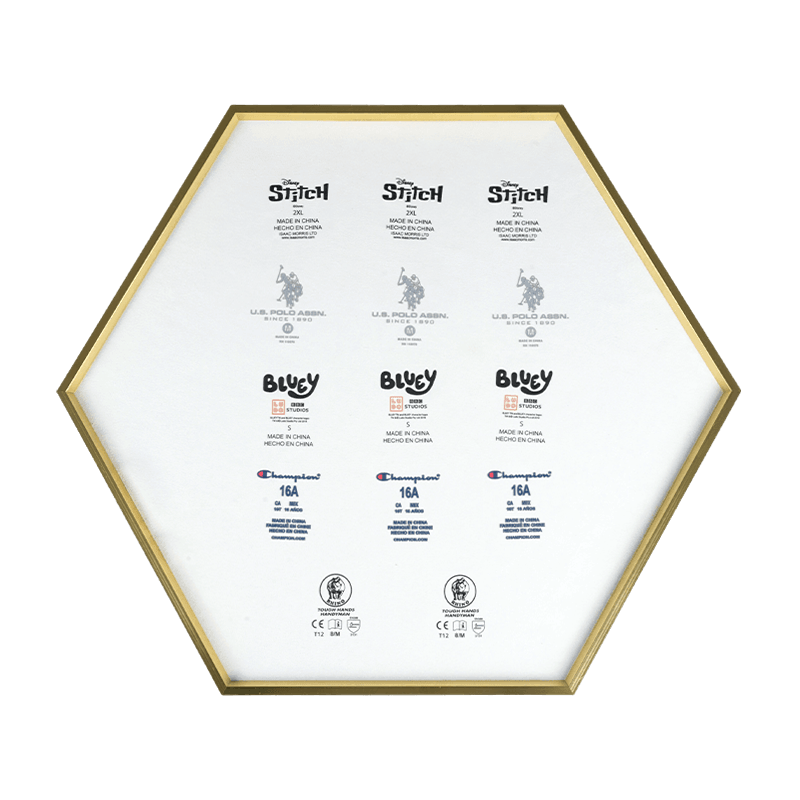
2D silicone labels are flat and suited to interior use. The smooth, consistent silicone surface is softer against skin than woven labels and more durable than standard ink transfers. They're the premium choice for inside-collar size and brand labels in activewear and childrenswear, combining the comfort of a tagless label with better wash durability than most other transfer types. They can also be used on exterior surfaces for a lower-profile, tonal branding effect.
Some products combine both: a raised 3D exterior patch for the visible brand mark, and a flat 2D interior label for size and care information. This is common in premium activewear, where every detail of the product is intentional.
Wash Durability: The Numbers That Matter
Silicone labels consistently outperform other transfer types in wash durability testing, particularly in conditions that replicate active use. The reasons are structural: silicone is chemically inert (it doesn't react with detergents or water), inherently elastic (no cracking under stretch), and bonds strongly to synthetic fibers through heat curing. Unlike plastisol ink, which can become brittle over time and crack at flex points, silicone maintains its flexibility throughout its service life.
In standardized wash testing at 40°C with standard detergent, quality silicone labels typically show no significant degradation at 50 washes and remain acceptable at 80–100 cycles. High-temperature wash performance (60°C and above) is more variable and depends on the specific silicone formulation and the bond chemistry used with the specific fabric type. If your garments are intended for high-temperature care — hospital linens, professional sportswear with industrial laundry requirements, HACCP-compliant workwear — confirm the wash testing data from your supplier at the specific wash conditions rather than relying on general wash durability claims.
Things to Sort Out Before You Order
Fabric compatibility is the most important practical question. Silicone bonds excellently to polyester, nylon, and polyester-cotton blends. On 100% cotton, the bond strength is lower and depends heavily on the silicone adhesive system and the surface preparation. Some cotton fabrics — particularly those with softener finishes or special coatings — can cause adhesion problems. If your fabric is anything other than a standard polyester or nylon, get a fabric sample to the supplier before placing an order, and test the adhesion properly.
Color matching on silicone is different from ink color matching. Silicone color is achieved through the pigmentation of the silicone material itself, not through surface printing. Exact Pantone matching is technically more challenging than with ink-based systems, and slight color variation between production batches is more common with silicone than with digital printing. For brands that are strict about color consistency, discuss batch-to-batch color tolerance with the supplier upfront and agree on acceptable deviation ranges before production starts.
Lead times are longer than for standard heat transfer prints. The multi-layer curing process and the specialized materials involved in silicone label production mean that production lead times are typically 15–25 days for standard orders, longer for custom designs or unusual colors. Factor this into your production schedule — it's a common source of delays for brands transitioning from standard transfers to silicone for the first time.
Frequently Asked Questions
Can silicone labels be removed from clothing?
Not easily, and that's by design. The heat-bond adhesion of silicone labels to synthetic fabrics is very strong. Attempting to peel off a silicone label by hand will usually result in the label stretching rather than releasing cleanly, and may damage the fabric beneath. In a commercial production environment where a label needs to be repositioned due to a placement error, reheating the label slightly can sometimes soften the bond enough to allow careful removal, but this risks fabric damage. The practical answer is that silicone labels are permanent once properly applied — placement accuracy matters more than with sewn labels that can be unpicked and repositioned.
Are silicone labels safe for children's clothing?
Yes — silicone is one of the safest materials used in garment labeling. Medical-grade silicone is used in implants and feeding equipment; the silicone used in garment labels is the same base material, typically tested to OEKO-TEX Standard 100 or REACH compliance to confirm the absence of harmful substances. The material is inert, non-toxic, and doesn't leach chemicals into skin contact. For children's wear sold into EU markets, REACH compliance documentation should be obtained from the supplier and kept on file as part of the product's technical documentation.
How does the price of silicone labels compare to standard heat transfers?
Silicone labels are significantly more expensive than standard CMYK or screen-printed heat transfers — typically 3–5× the unit cost for a comparable size. The higher price reflects the specialized materials, multi-step manufacturing process, and longer production time. For activewear and premium children's wear where wash durability and brand presentation justify the cost, the premium is accepted as part of the product's specification. For standard fashion basics or budget-segment clothing where the label is purely functional, standard heat transfers deliver adequate performance at a fraction of the cost. The decision is about what the label needs to do for the brand and the product, not about which material is objectively "better."
Silicone 3D/2D Labels | Tagless Size Label | CMYK Heat Transfer | Garment Accessories | Get a Quote