

 +86-18967386982

 English
 Español
 عربى
عربىIndustry News
Custom Tagless Size Labels Are the Optimal Choice for Modern Apparel
Custom tagless size labels provide the ultimate combination of consumer comfort, streamlined manufacturing efficiency, and enhanced brand presentation, making them the superior alternative to traditional woven tags. As the apparel industry continues to evolve, the demand for frictionless clothing has pushed brands to eliminate the scratchy, irritating neck labels of the past. By transitioning to a tagless format, clothing producers directly address the primary source of consumer discomfort while simultaneously opening up new avenues for minimalist design and operational cost savings. This approach is no longer just a passing trend but a fundamental industry standard that elevates the overall quality perception of a garment.
Understanding the Shift Away from Traditional Woven Tags
For decades, the standard method of identifying garment size, fabric content, and origin of manufacture was through a folded, sewn-in woven tag located at the center back of the neckline. While functional from a regulatory standpoint, these traditional labels present several significant drawbacks that ultimately detract from the wearer's experience. The woven edges, especially when made from stiff polyester or nylon threads, constantly rub against the sensitive skin of the neck and upper back, leading to redness, itching, and a general reluctance to wear the garment.
Furthermore, traditional tags require multiple manufacturing steps. The tags must be individually printed, cut, folded, and then manually or semi-automatically sewn into the garment. Each of these steps introduces a potential point of failure, from misaligned stitching to incorrect label placement. The physical bulk of a folded tag also creates an unsightly lump visible through lightweight or form-fitting fabrics, compromising the clean drape that modern consumers expect. The cumulative effect of these issues has driven the industry to seek a permanent, non-intrusive alternative, paving the way for the widespread adoption of custom tagless solutions.
Core Advantages of Adopting Tagless Technology
The transition to tagless labels is driven by tangible benefits that impact every level of the apparel supply chain, from the factory floor to the retail environment, and ultimately to the end consumer. Understanding these advantages helps clarify why this technology has become so prevalent across various clothing categories.
Elimination of Skin Irritation
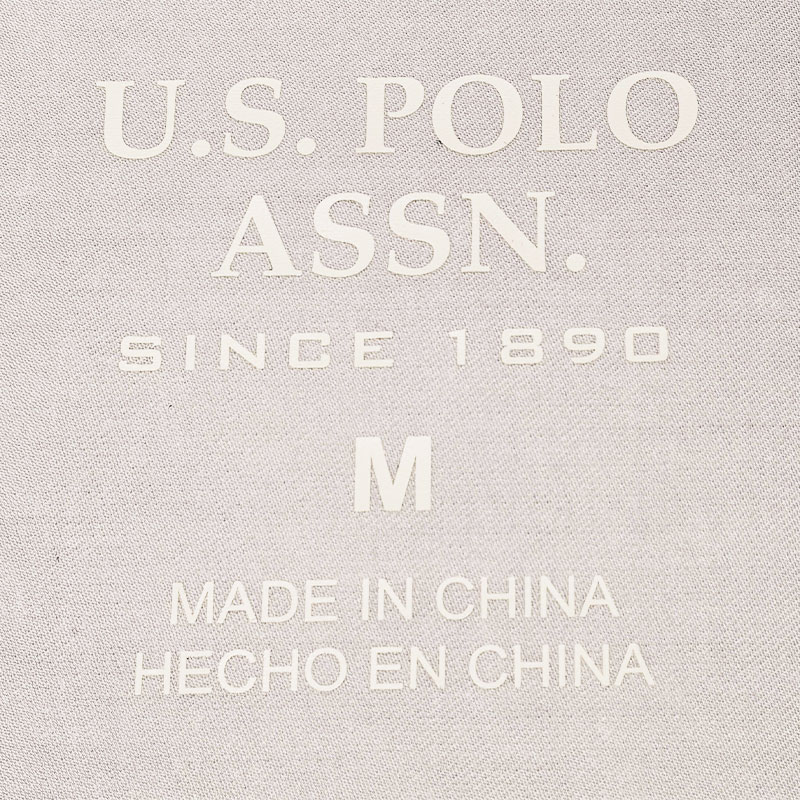
The most immediate and noticeable benefit is the complete removal of a physical friction point. Printed labels lie completely flat against the fabric, becoming almost imperceptible to the wearer. This is particularly crucial for activewear, underwear, children's clothing, and any garments worn in close contact with the skin. By removing the scratchy woven edges, brands can significantly reduce garment returns driven by physical discomfort. When consumers try on a shirt and feel no scratching at the neck, their initial impression of the garment's quality is immediately positively influenced.
Streamlined Production Workflows
Integrating a tagless label into the manufacturing process often involves heat transfer or screen printing directly onto the garment, which can be seamlessly added to existing production lines. This eliminates the need to source, inventory, and handle separate physical tags. Sewing operators no longer need to stop, align a fold, and stitch a label, which reduces the time it takes to assemble each garment. Over thousands of units, this reduction in handling time translates into substantial labor savings and faster turnaround times, allowing manufacturers to fulfill orders more efficiently.
Aesthetic and Design Flexibility
Tagless labels offer unparalleled design freedom. Traditional woven tags are restricted by the limitations of loom weaving, which dictates specific thread counts, limited color palettes, and fixed, often clunky fonts. In contrast, custom tagless labels are printed digitally or via screen printing, meaning they can reproduce any font, gradient, or intricate logo with photographic precision. Brands can match the label's typography perfectly with their overall brand identity, creating a cohesive, premium interior finish that reinforces their market positioning without the visual interruption of a sewn-in patch.
Primary Methods for Applying Custom Tagless Labels
When a brand decides to transition to a tagless format, they must choose an application method that aligns with their fabric types, production capabilities, and durability requirements. The two most prevalent technologies in the industry are heat transfer printing and direct screen printing, each with distinct characteristics.
Heat Transfer Printing
Heat transfer involves printing the label design onto a specialized release paper using plastisol, silicone, or water-based inks. This printed transfer is then placed onto the garment, and a heat press machine applies specific temperature and pressure for a set duration. The heat liquefies the ink's adhesive backing, bonding it permanently to the fabric fibers before the backing paper is peeled away. This method is highly favored because it allows for incredibly sharp, multi-color designs and is easily scalable for large production runs using automated heat transfer machines.
Direct Screen Printing
Direct screen printing applies the ink directly onto the interior of the garment through a mesh screen stencil, bypassing the transfer paper step entirely. This method is exceptionally fast for high-volume, single-color label applications, such as a simple size indicator and care instructions. It requires a relatively low initial investment if the factory already owns screen printing equipment. However, it generally cannot achieve the fine detail, color gradients, or crisp edges that heat transfer can, making it best suited for highly utilitarian, text-only labels.
Alternative and Emerging Techniques
Beyond the two primary methods, some niche applications use rubber or silicone patches that are heat-sealed or adhered to the garment, providing a slightly raised, tactile element often found in high-end streetwear. Additionally, laser etching is emerging as a sustainable option, where a high-precision laser burns away the top layer of the fabric to reveal the size and care information, requiring zero inks or additional materials. While highly sustainable, laser etching is currently limited to specific fabric types and colors where the contrast is sufficient for readability.
Material and Ink Formulations for Tagless Labels
The longevity and feel of a custom tagless size label depend entirely on the chemistry of the inks and the substrates used. Selecting the wrong formulation can result in labels that crack, peel, or feel uncomfortably stiff against the skin.
Plastisol Inks
Plastisol is the most traditional and widely used ink for tagless transfers. It is durable, opaque, and relatively easy to work with. However, standard plastisol can leave a slightly glossy, stiff film on the fabric. To counteract this for tagless applications, manufacturers use highly modified, ultra-soft stretch plastisol formulations that incorporate special plasticizers to ensure the dried ink remains flexible and mimics the softness of the underlying fabric.
Water-Based and Eco-Friendly Inks
As sustainability becomes a central focus in apparel manufacturing, water-based inks have gained massive traction. These inks penetrate the fabric fibers rather than sitting on top of them, resulting in a completely undetectable, zero-feel finish. They are free of PVC and phthalates, making them the preferred choice for children's wear and organic apparel brands. The trade-off is that they require more precise humidity and temperature control during the curing process to ensure proper wash fastness.
Silicone Formulations
Silicone transfers represent the premium tier of tagless labeling. They offer exceptional elasticity, making them ideal for performance wear and compression garments that undergo severe stretching. Silicone is inherently soft, heat resistant, and maintains its integrity through harsh industrial laundry cycles. It provides a matte, high-end finish that subtly elevates the perceived value of the garment, though it comes at a higher material cost compared to standard plastisol.
Matching Label Types to Specific Fabric Categories
Not all tagless labels perform equally across the vast spectrum of textile types. A transfer that bonds perfectly to a dense cotton t-shirt may completely fail on a moisture-wicking polyester athletic shirt. Careful consideration of fabric composition is essential for a successful transition.
| Fabric Category | Recommended Ink Type | Key Consideration |
|---|---|---|
| 100% Cotton | Water-based, Soft Plastisol | Excellent adhesion; fibers absorb ink easily |
| Polyester / Blends | Poly-grade Plastisol, Silicone | Requires adhesion promoters to prevent peeling |
| Moisture-Wicking Performance | Silicone, Specialized Stretch Ink | Must not block fabric breathability or stretch |
| Delicate / Lightweight | Ultra-thin Water-based | Prevents "show-through" on light colors |
Transitioning to a tagless format does not exempt a brand from local and international textile labeling laws. In major markets like the United States, the Federal Trade Commission (FTC) enforces strict rules regarding what information must be permanently affixed to a garment. Similarly, the European Union has its own set of textile regulations. Ensuring compliance while utilizing tagless technology requires careful planning of the label layout and ink durability.
Mandatory Information Requirements
Regardless of the application method, a custom tagless label must generally include the following elements to pass customs and retail compliance checks:
- Brand name or registered trademark
- Country of origin (e.g., Made in USA, Made in China)
- Fiber content listed in descending order of predominance
- Standardized care instructions (washing, drying, bleaching, ironing, dry cleaning)
Ensuring Permanence and Readability
The legal definition of a label requires that the information remains legible and attached for the "useful life" of the garment. This places a heavy burden on the ink formulation and application process. Brands must work closely with their label suppliers to conduct rigorous wash testing. A tagless label must reliably withstand a minimum of 20 to 30 standard industrial wash cycles without fading, cracking, or peeling to be considered legally compliant in most jurisdictions. If a water-based ink bleeds or fades after just a few washes, the brand risks regulatory fines and forced recalls, making initial prototype testing an absolutely critical phase.
Strategic Steps for Transitioning to Tagless Labels
Moving an apparel line from traditional woven tags to a custom tagless system is a strategic decision that involves coordination between design, production, and compliance teams. A phased, deliberate approach ensures a smooth transition without disrupting existing supply chains.
Design and Layout Optimization
The first step is to redesign the label artwork. Because printing allows for high resolution, brands often consolidate all required text into a compact, visually appealing block. Designers must balance font size with readability; the text must be small enough to be unobtrusive but large enough to meet legal readability standards. It is common practice to group the care symbols visually separate from the size and origin text to make the label easier to scan for the consumer.
Prototyping and Rigorous Testing
Before committing to a full production run, sample transfers must be applied to the actual production fabrics. These prototypes should then be subjected to a battery of tests:
- Hand-feel assessment by a focus group or quality control team
- Standard domestic and commercial laundry testing for adhesion and fade resistance
- Stretch and recovery tests for activewear applications
- Dry cleaning solvent resistance if the garment is labeled as dry-clean only
Production Floor Integration
Once the prototype is approved, the manufacturing facility must prepare for integration. For heat transfer applications, this means calibrating the heat press machines to the exact temperature, pressure, and dwell time specified by the transfer supplier. Even a variance of a few degrees or a second of time can result in under-curing (leading to peeling) or over-curing (causing the garment fabric to scorch). Factory operators must be trained on proper placement to ensure the label is consistently positioned in the center back neck, maintaining a standardized presentation across the entire product line.
Evaluating the Cost Dynamics of Tagless Labels
When analyzing the financial implications of switching to custom tagless size labels, brands must look beyond the simple per-unit cost of the label itself. The true cost analysis involves a holistic view of the manufacturing ecosystem, where savings in one area often offset expenses in another.
On the surface, a high-quality heat transfer or silicone label may have a higher raw material cost than a basic woven polyester tag. However, this upfront cost is quickly neutralized by the elimination of secondary operations. Removing the label sewing process reduces direct labor costs, decreases wear and tear on sewing machinery, and eliminates the need for specialized labeling operators. Additionally, tagless labels drastically reduce material waste; there are no offcuts from folded woven labels, and there is no inventory footprint required to store thousands of physical labels in a warehouse.
Furthermore, the reduction in consumer returns due to tag-related discomfort represents a significant, albeit sometimes difficult to quantify, financial benefit. When factoring in labor savings, reduced material waste, and lower return rates, custom tagless labels frequently demonstrate a lower total applied cost compared to traditional sewn-in alternatives. Brands that view the transition purely through the lens of the label's unit price risk missing the broader operational efficiencies gained.
Future Trends in Tagless Labeling Technology
The evolution of custom tagless size labels is far from over. As technology advances and consumer expectations shift, the industry is moving toward smarter, more sustainable, and even more integrated labeling solutions. Staying ahead of these trends provides a competitive edge for forward-thinking apparel producers.
Digital Direct-to-Garment (DTG) Labeling
As DTG printing technology becomes faster and more commercially viable, printing the label directly on the interior of the shirt at the same time the exterior graphic is printed is becoming a reality. This would completely eliminate the need for separate transfer paper or screens for the label, reducing the process to a single digital pass. This offers unprecedented agility for made-to-order or highly customized apparel lines where inventory of specific size transfers is impractical.
Smart Labels and Digital Integration
The future of tagless labels includes the integration of invisible digital triggers. Using specialized inks that absorb and reflect specific spectrums of light, a tagless label can contain a hidden QR code or NFC-readable footprint that is invisible to the naked eye. A consumer could simply hold their smartphone near the inside of their neckline to instantly access detailed care instructions, authenticity verification, brand storytelling, or loyalty program links, all while maintaining a completely clean, minimalist interior aesthetic.
Advancements in Fully Circular Solutions
As the apparel industry grapples with end-of-life textile recycling, the presence of non-textile inks on garments complicates the mechanical recycling process. The next frontier in tagless technology is the development of mono-material inks derived from the same fibers as the garment itself, such as 100% cotton-based inks printed on 100% cotton shirts. These innovations ensure that the tagless label does not act as a contaminant when the garment is eventually shredded and recycled into new yarns, perfectly aligning tagless comfort with absolute circular economy principles.