

 +86-18967386982

 English
 Español
 عربى
عربىIndustry News
Hang tags are indispensable functional and decorative accessories attached to products, serving as a critical bridge between brands and consumers while delivering mandatory product information and enhancing overall product value. High-quality hang tags can increase consumer trust by over 60% and significantly improve product recognition in competitive retail environments, making them a core component of product packaging and branding strategies rather than a trivial accessory.
Beyond basic information display, modern hang tags integrate practical functions, aesthetic design, environmental protection concepts, and anti-counterfeiting technology. They comply with regional regulatory requirements, reflect brand positioning and product quality, and create a complete user experience from the first sight of the product to post-purchase use. For nearly all consumer goods, professionally designed and produced hang tags are no longer optional but a necessary investment to boost sales and build long-term brand image.
Primary Functions of Hang Tags in Product Sales
Legal and Regulatory Information Disclosure
One of the most fundamental functions of hang tags is to meet legal and regulatory standards for product sales. Different regions and countries have clear requirements for information that must be displayed to consumers, and hang tags act as a reliable carrier for this mandatory content.
- Display of product composition, raw material ratios, and safety warnings required by market supervision departments
- Marking of origin, production standards, and quality inspection certifications
- Providing washing instructions, maintenance methods, and usage precautions for durable goods
- Including legal trademarks, warning labels, and age-appropriate use guidelines for specific products
Without complete and compliant information on hang tags, products risk being removed from shelves, fined, or banned from sale in international markets. More than 75% of retail platforms and physical stores strictly check hang tag information before accepting products, highlighting its non-negotiable role in market access.
Brand Communication and Visual Identity
Hang tags are a portable brand promotion medium that travels with products and reaches end consumers directly. They extend brand visual identity beyond packaging and create a memorable impression through consistent design language.
Well-designed hang tags reinforce brand recognition by using consistent fonts, color schemes, logos, and graphic elements. Even when products are displayed separately, the hang tag allows consumers to identify the brand at a glance. For small and medium-sized businesses, customized hang tags help establish professional brand images without excessive marketing costs, narrowing the gap with established competitors.
Product Value Enhancement and Differentiation
In crowded retail spaces, hang tags serve as a silent sales tool that differentiates products from similar alternatives. Premium materials, unique shapes, and refined craftsmanship immediately elevate perceived product value, allowing products to command higher price points.
Market research shows that products with custom-designed hang tags are perceived as 30% more valuable than those with generic plain tags by potential buyers. This perceived value directly influences purchasing decisions, especially in mid-to-high-end product categories where details determine consumer choices.
Common Materials for Hang Tags and Their Characteristics
The selection of hang tag materials directly affects durability, appearance, texture, and cost. Each material has unique properties suitable for specific product types, brand positioning, and usage environments. Understanding material characteristics is essential for creating effective hang tags.
Paper Materials: The Most Widely Used Option
Paper is the most popular hang tag material due to its versatility, affordability, and ease of printing. It supports various processing techniques and fits most product categories, from apparel to accessories and daily necessities.
- Coated paper: Smooth surface, vibrant printing, cost-effective, ideal for mass-produced consumer goods
- Kraft paper: Natural texture, eco-friendly, tear-resistant, perfect for casual, vintage, or sustainable brands
- Specialty art paper: Thick, luxurious texture, matte or glossy finish, used for high-end products and premium branding
- Recycled paper: Reduced environmental impact, meets green consumption trends, increasingly popular in global markets
Non-Paper Materials for Specialized Applications
Non-paper materials offer enhanced durability and unique tactile experiences, making them suitable for luxury goods, outdoor products, leather goods, and long-lasting consumer items. These materials add exclusivity and durability to hang tags.
- Plastic: Waterproof, flexible, and durable; ideal for outdoor gear, swimwear, and moisture-prone products
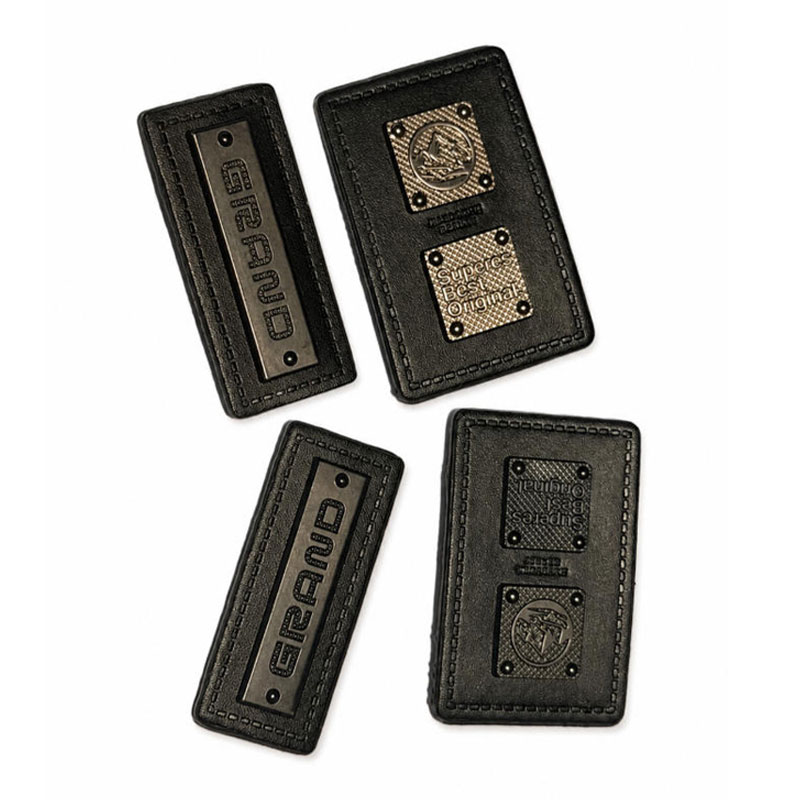
- Leather: Premium texture, luxurious appearance; commonly used for high-end apparel, bags, and leather products
- Metal: Ultra-durable, high-end aesthetic; used for luxury accessories, designer products, and collectible items
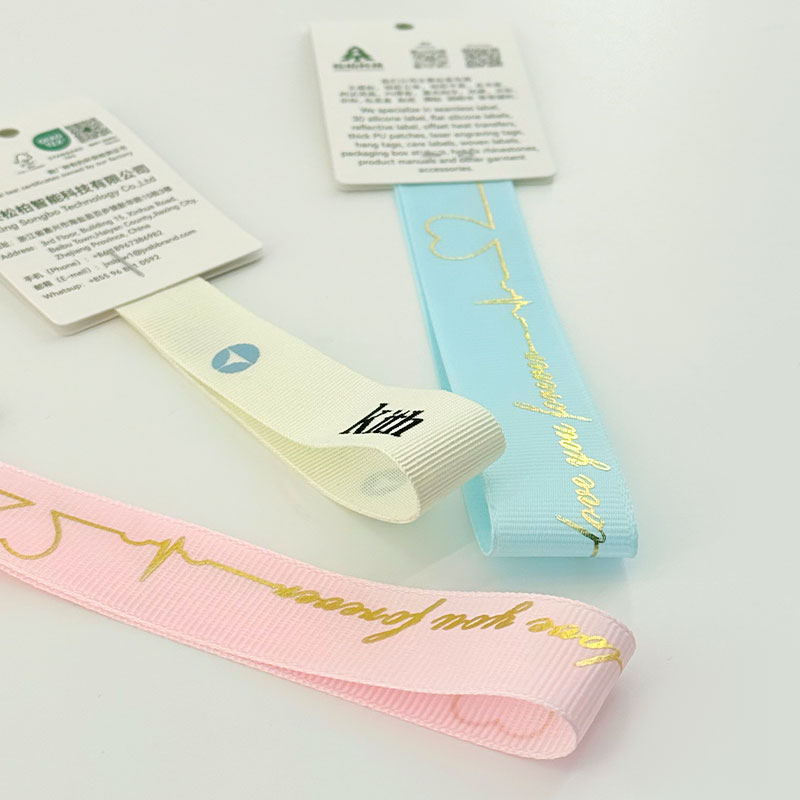
- Fabric: Soft, washable, and flexible; perfect for textile products, home furnishings, and premium clothing
| Material Type | Suitable Products | Core Advantages |
|---|---|---|
| Coated Paper | Mass apparel, daily necessities | Low cost, clear printing, versatile |
| Kraft Paper | Casual wear, eco-friendly goods | Eco-friendly, tear-resistant, natural |
| Plastic | Outdoor gear, swimwear | Waterproof, durable, flexible |
| Leather | Luxury bags, high-end apparel | Premium texture, long-lasting |
Key Design Elements of High-Quality Hang Tags
Layout and Information Hierarchy
Effective hang tag design follows a clear information hierarchy that guides consumers to notice critical details first. A cluttered layout reduces readability and negatively impacts brand perception, while a well-organized design improves information absorption and user experience.
The primary information, including brand logo and product name, should occupy the most prominent position with the largest font size. Secondary details such as price, size, and color follow in medium font, while regulatory information and care instructions use smaller but legible fonts. Studies confirm that structured information hierarchy increases consumer reading efficiency by over 50% and creates a professional impression.
Color Matching and Visual Impact
Color is a powerful design element that evokes emotions and communicates brand personality. Hang tag colors should align with product characteristics, brand identity, and target consumer preferences while ensuring sufficient contrast for readability.
Warm colors convey vitality and approachability, suitable for casual and youthful products. Neutral and muted tones express elegance and sophistication, ideal for high-end and minimalist brands. High-contrast combinations improve text readability, while monochromatic schemes create a refined, cohesive look. Consistent color use across all hang tags strengthens brand recognition and visual memory.
Shape, Size and Structural Design
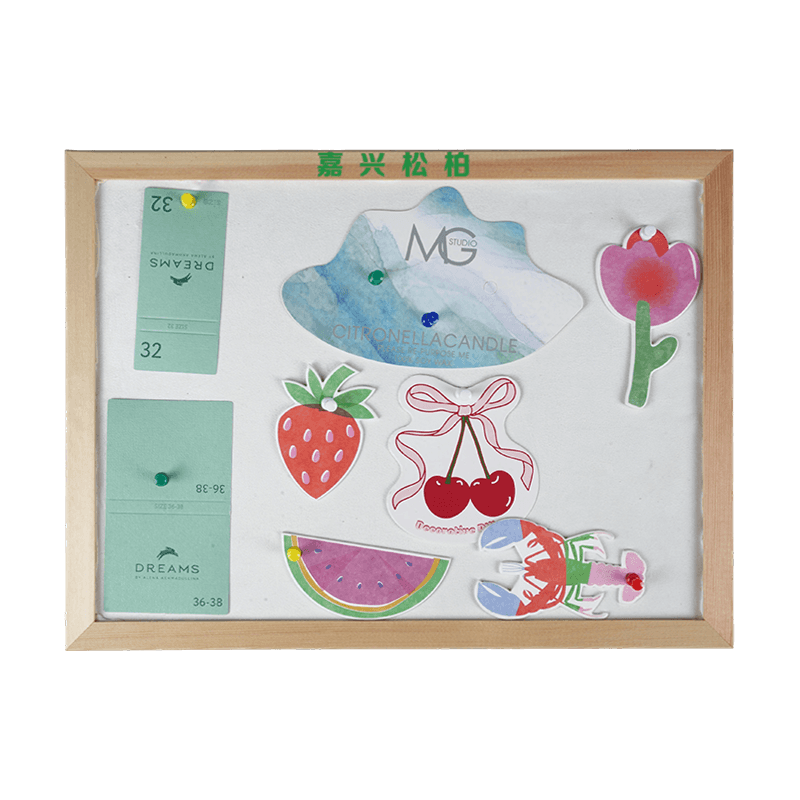
Beyond standard rectangles, creative hang tag shapes and structures capture attention and reinforce brand themes. Common customized shapes include circles, ovals, rounded corners, irregular contours, and even product-mimicking silhouettes that enhance memorability.
Size should be proportional to the product – larger tags for outerwear and big-ticket items, smaller tags for accessories and delicate goods. Multi-layered structures, foldable designs, and detachable elements add interactive value and allow more information presentation without increasing single-layer size. Creative structural design makes hang tags 2-3 times more noticeable than standard rectangular tags in retail displays.
Typography and Font Selection
Font choice directly affects readability and brand expression. Sans-serif fonts offer modernity and clarity, perfect for contemporary and casual brands. Serif fonts convey tradition, elegance, and formality, suitable for classic and luxury positioning. Decorative fonts can highlight brand personality but should be used sparingly to maintain readability.
Effective typography uses 2-3 complementary font styles to create hierarchy without visual chaos. Font size varies by information importance, and consistent spacing improves readability. Legible typography ensures consumers can quickly grasp key information, especially important for multilingual product tags in international markets.
Common Production Processes for Hang Tags
Printing Processes
Printing is the foundation of hang tag production, directly determining color accuracy, detail clarity, and overall visual effect. Different printing methods suit various materials, quantities, and quality requirements.
- Offset printing: Ideal for large quantities, delivers consistent colors and sharp details on paper materials
- Digital printing: Cost-effective for small batches, supports quick turnaround and personalized customization
- Screen printing: Vibrant colors, strong adhesion, suitable for plastic, metal, and thick paper materials
- Flexographic printing: Efficient for mass production, widely used in standardized hang tag manufacturing
Surface Finishing Techniques
Surface finishing enhances appearance, durability, and tactile experience while protecting printed content from wear, fading, and contamination. These techniques transform basic tags into premium accessories.
- Gloss lamination: Waterproof, shiny finish, enhances color vibrancy and durability
- Matte lamination: Sophisticated, non-reflective surface, offers an elegant tactile experience
- UV coating: Creates glossy, raised patterns, adds focal points, and three-dimensional effects
- Varnishing: A protective transparent layer that improves wear resistance and maintains appearance
Special Processing Technologies
Special processes add unique visual and tactile effects that distinguish premium hang tags from standard versions. These techniques create memorable sensory experiences and reinforce product value perception.
- Embossing/debossing: Creates 3D textures without ink, adds elegance and sophistication
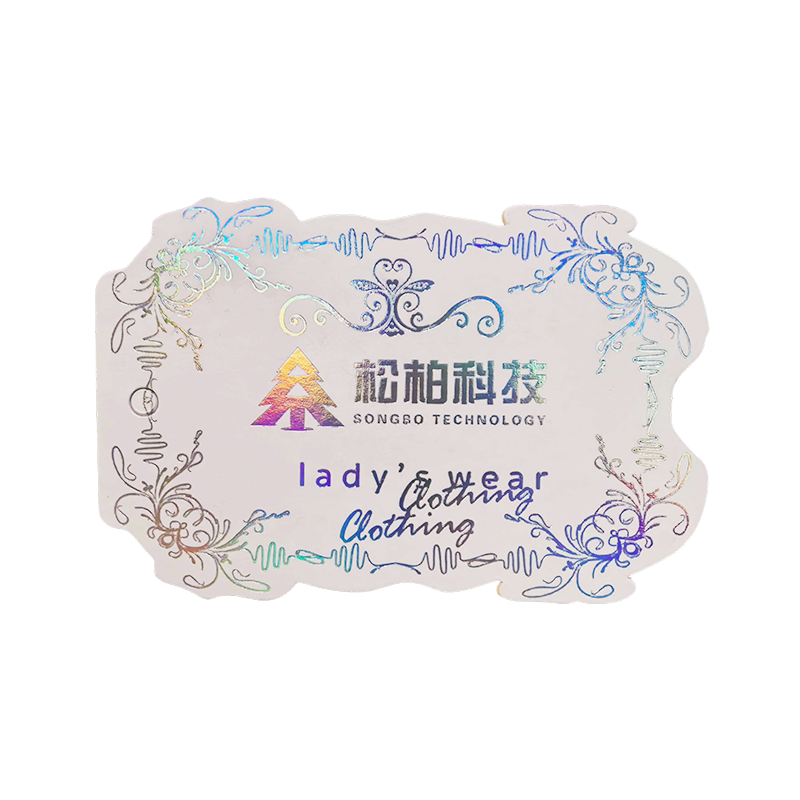
- Hot stamping: Applies metallic foil (gold, silver, etc.) for luxurious, eye-catching effects
- Die cutting: Creates custom shapes, perforations, and hollow designs for unique appearances
- Edge coloring: Colors tag edges for refined details and a premium finished look
Application of Hang Tags Across Major Product Categories
Apparel and Fashion Accessories
Apparel is the largest application field for hang tags, with nearly every clothing item requiring specialized tags. Fashion hang tags must balance information display, brand expression, and compatibility with garment styles while enduring handling during purchase and use.
Adult apparel typically includes size, material, care instructions, brand story, and price information on hang tags. Children's clothing requires additional safety warnings, age recommendations, and compliance certifications. Luxury fashion uses high-end materials and special processes to match product positioning, while fast fashion focuses on cost-effectiveness and clear information delivery. Over 80% of consumers check hang tag information before purchasing clothing, making it a critical decision-making factor.
Leather Goods and Footwear
Leather products and footwear demand durable, high-quality hang tags that reflect product craftsmanship and material quality. These tags often use thick paper, leather, or plastic materials with reinforced eyelets to withstand attachment to sturdy products.
Information focuses on material composition (leather type, sole material), product specifications, maintenance guidelines, and quality certifications. Premium leather goods frequently use matching leather hang tags that reinforce material authenticity and brand exclusivity, creating a cohesive luxury experience from tag to product.
Home Textiles and Daily Necessities
Home textile hang tags emphasize practical information such as fabric composition, dimensions, washing guidelines, and safety certifications. These tags are typically larger to accommodate comprehensive product details while maintaining a home-friendly aesthetic.
Daily necessities use functional, cost-effective hang tags that prioritize durability and clear information over elaborate design. Eco-friendly home products increasingly use recycled paper tags to align with sustainable brand values and environmentally conscious consumer preferences.
Toys, Gifts and Premium Products
Toy hang tags prioritize safety information, age recommendations, material safety certifications, and usage warnings to meet strict regulatory requirements and reassure parents. Creative, child-friendly designs enhance product appeal while maintaining compliance.
Gift and premium product hang tags focus on decorative value and brand storytelling, often featuring unique shapes, special finishes, and elegant typography that enhance gifting experiences. Many gift tags include detachable elements that can serve as keepsakes, extending brand interaction beyond the initial purchase.
Quality Control Standards for Hang Tags
Printing Quality Inspection
Printing quality directly affects hang tag effectiveness and brand image. Key inspection points include color consistency, text clarity, pattern accuracy, and absence of defects such as smudging, misalignment, or fading. Professional manufacturers maintain a color deviation rate within 5% to ensure visual consistency across production batches.
All text must be legible, error-free, and correctly positioned. Barcodes and QR codes require functional testing to ensure scannability. Consistent printing quality across thousands of units is essential for maintaining professional brand presentation in retail environments.
Material and Craftsmanship Durability
Hang tags must withstand transportation, display, handling, and attachment without damage. Quality control includes tensile testing, adhesion testing for surface finishes, and fold resistance testing to ensure longevity throughout the product lifecycle.
Materials should be free of toxic substances and comply with safety standards, especially for products targeting children or used in close contact with consumers. Edge finishing must be smooth without burrs that could damage products or injure users. Eyelets and attachment points require reinforced construction to prevent tearing during normal use.
Specification and Compliance Verification
Finished hang tags must strictly match design specifications for size, shape, color, and content. All regulatory information must be accurate, complete, and compliant with target market requirements to prevent legal risks and sales obstacles.
Multilingual tags require accurate translations and proper text formatting. Packaging and counting must be precise to avoid shortages or excesses. Comprehensive quality control ensures 99%+ compliance rate for manufactured hang tags, minimizing disruptions to product launch and sales processes.
Current Trends and Future Development of Hang Tags
Sustainable and Eco-Friendly Development
Environmental sustainability has become a dominant trend in hang tag design and production, driven by global eco-consumerism and regulatory requirements. Brands increasingly prioritize biodegradable, recycled, and renewable materials to reduce environmental impact.
Recycled paper, plant-based inks, water-based coatings, and minimalistic designs that reduce material usage are becoming industry standards. Some manufacturers have developed fully compostable hang tags that leave no ecological footprint. Market data shows that eco-friendly hang tags increase consumer brand preference by approximately 45%, creating a clear business case for sustainable adoption.
Intelligent and Digital Integration
Digital technology is transforming traditional hang tags into interactive consumer touchpoints. QR codes, NFC tags, and augmented reality elements connect physical products to digital brand experiences, expanding information capacity and engagement opportunities.
Scannable codes link to product stories, usage tutorials, warranty registration, and exclusive content, creating comprehensive brand interactions. Intelligent tags support anti-counterfeiting, inventory management, and consumer behavior analysis. This digital integration turns hang tags into multi-functional brand assets rather than static information carriers, bridging physical retail and digital ecosystems.
Personalization and Customization
Mass customization enables unique hang tag designs for specific product lines, seasonal collections, and limited editions without excessive cost increases. Digital printing technology makes small-batch personalized tags economically feasible, allowing brands to maintain freshness and relevance.
Custom shapes, materials, and processes align hang tags closely with product themes and brand narratives, creating distinctive visual identities. This customization enhances product differentiation in competitive markets and strengthens emotional connections with consumers through unique, memorable details.
Multi-Functional Integration
Future hang tags will incorporate increasingly diverse functions beyond information display and decoration. Anti-counterfeiting features, temperature indicators, detachable bookmarks, reusable stickers, and seed-embedded tags that grow into plants expand utility and consumer value.
This multi-functional approach transforms hang tags from disposable packaging components into valuable, reusable items that extend brand interaction. By providing ongoing utility, hang tags enhance overall product value and create positive, lasting brand impressions that extend far beyond the initial purchase decision.
Practical Guidelines for Hang Tag Selection and Design
Matching Hang Tag Specifications to Product Characteristics
Select hang tag size, material, and thickness based on product type, weight, and value. Heavy products require durable materials with reinforced attachment points, while delicate items need lightweight, non-damaging tags. High-value products deserve premium materials and finishes that reflect their quality positioning.
Consider product usage environment – waterproof materials for moisture-exposed items, tear-resistant paper for frequently handled goods. Ensure tag size is proportional to product dimensions to maintain visual balance. A well-matched hang tag enhances product appearance, while an ill-suited tag can diminish perceived value.
Balancing Cost, Quality and Effectiveness
Effective hang tag planning balances budget constraints with quality requirements. Mass-market products can optimize costs through standard sizes, common materials, and efficient printing processes while maintaining professional appearance. Premium products justify higher investment in specialized materials and unique processes that justify higher price points.
Request samples before full production to test appearance, durability, and compatibility. Work with experienced manufacturers who can recommend cost-saving alternatives without compromising quality. A reasonable budget allocation for hang tags typically represents 1-3% of total product cost while delivering disproportionately high returns in perceived value and consumer trust.
Ensuring Regulatory Compliance and Information Accuracy
Research and comply with all regulatory requirements for your target markets, including mandatory information, labeling standards, and safety certifications. Verify all text, translations, and symbols for accuracy before production to prevent costly reworks and legal issues.
Include essential information clearly and prominently while maintaining design aesthetics. Organize complex information through logical sections and hierarchy. Regularly update content to reflect regulation changes, product improvements, and brand evolution. Compliance is not optional – it is fundamental to market access and consumer protection.
Creating Consistent Brand Experience
Maintain design consistency across all hang tags to strengthen brand recognition. Use consistent fonts, colors, logos, and design language that align with the overall brand identity. Consistency creates professional reliability and makes products instantly recognizable across different categories and collections.
Design hang tags as integral components of product packaging rather than afterthoughts. Coordinate tag design with packaging, labels, and product aesthetics to create a unified brand experience. Every consumer touchpoint, including hang tags, contributes to brand perception and should be intentionally crafted to reinforce desired brand associations.