

 +86-18967386982

 English
 Español
 عربى
عربىIndustry News
Laser cutting transfer is a hybrid manufacturing process that integrates the precision of laser cutting with the functional application of transfer materials. Rather than merely slicing through a substrate, this technique simultaneously cuts and transfers a specialized film, tape, or functional layer onto a target surface in a single, seamless operation. This methodology eliminates the need for secondary alignment or manual application steps, drastically reducing production time and minimizing the risk of misalignment. It is predominantly utilized in industries requiring high-precision layering, such as electronics manufacturing, automotive interior detailing, textile customization, and medical device assembly. By combining cutting and transferring into one workflow, manufacturers achieve unparalleled accuracy, clean edge quality, and significant operational efficiency.
The Core Mechanism Behind the Process
Understanding the laser cutting transfer process requires a look into the intricate interplay between thermal energy, material science, and mechanical precision. The process is not simply about burning through material; it is a carefully controlled application of energy that achieves two distinct outcomes simultaneously. The success of the operation relies heavily on the differential absorption of laser energy between the transfer medium and the target substrate.
Energy Delivery and Material Response
At its core, the laser beam is directed through an optical system onto a layered workpiece. The top layer, typically the transfer material, absorbs the laser energy and vaporizes or melts along the programmed path. Crucially, the energy must be precisely calibrated so that it cuts through the transfer layer without damaging the underlying carrier film or the target substrate. This is often achieved using specific laser wavelengths—such as carbon dioxide or fiber lasers—depending on the optical properties of the materials involved. The precision of the energy delivery ensures that the cut edges are sealed, preventing fraying in textiles or delamination in adhesive films.
The Transfer and Bonding Phase
Once the cut is made, the transfer mechanism is activated. In many systems, this involves a lamination roller that presses the cut shape onto the target substrate immediately after the laser has passed. Heat from the laser or an auxiliary heating element activates the adhesive layer on the back of the transfer film. The carrier film is then peeled away, leaving only the precisely cut shape firmly bonded to the target surface. This continuous motion of cutting, pressing, and peeling is what gives the process its high-speed, high-volume capability.
Key Industrial Applications
The adoption of laser cutting transfer is expanding rapidly across multiple sectors. Its ability to apply complex shapes flawlessly makes it ideal for applications where traditional cutting and manual placement would be too slow or inaccurate.
Electronics and Flexible Circuits
In the electronics sector, the technology is used to apply conductive traces, insulating layers, and electromagnetic shielding films. Flexible printed circuits require extremely thin and precise layers that must align perfectly with underlying components. Laser cutting transfer allows manufacturers to cut intricate conductive patterns from a film and deposit them directly onto a circuit board. Because the process avoids mechanical stress, it is perfectly suited for delicate flexible electronics that would be damaged by traditional stamping or pressing methods.
Automotive and Aerospace Interiors
The automotive industry utilizes this technique for interior applications such as dashboard overlays, decorative trim, and touch-sensitive control panels. Similarly, aerospace manufacturers use it for applying lightweight, functional labels and insulation layers. The process guarantees that the applied elements conform perfectly to curved or textured surfaces without trapping air bubbles or leaving uneven edges, which is a common issue with manual decal application.
Textile and Apparel Customization
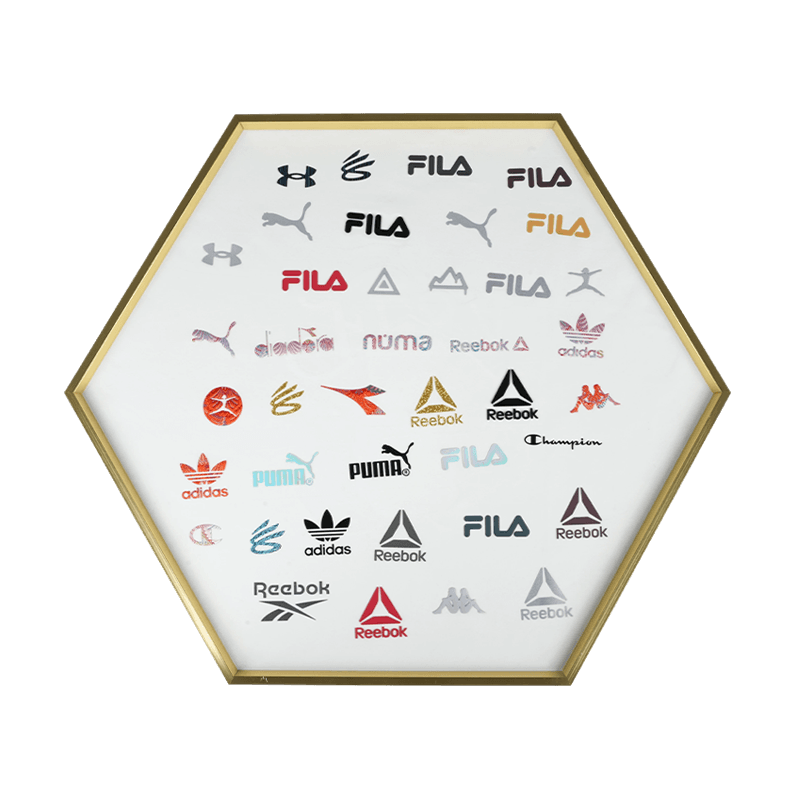
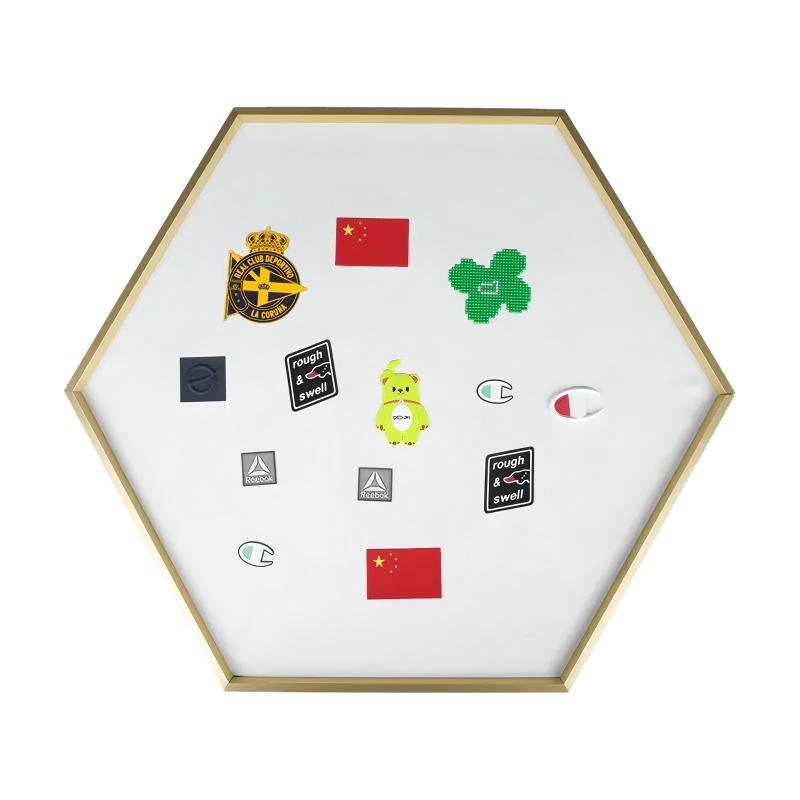
In the textile industry, laser cutting transfer has revolutionized the application of logos, numbers, and decorative designs. Traditional methods like screen printing can leave thick, uncomfortable layers of ink, while standard heat transfers often require manual cutting (known as weeding) to remove excess material. With laser cutting transfer, the design is cut and applied directly, resulting in a soft, breathable, and permanently bonded design that withstands rigorous washing.
Material Selection and Compatibility
The efficacy of laser cutting transfer is intrinsically tied to the materials used. Not all materials are suitable for this process; they must possess specific thermal and adhesive properties to withstand the laser's energy while maintaining their structural integrity during the transfer phase.
Transfer Films and Tapes
The transfer medium typically consists of a multi-layer construction. The top layer is the functional or decorative material, which could be made of polyurethane, polyester, or specialized metallic foils. Beneath this is an adhesive layer, which is thermally activated. The bottom layer is a carrier film, usually a high-temperature-resistant polyester, which holds the design in place during cutting and is discarded after the transfer is complete. The carrier film must be transparent to the laser's wavelength or sufficiently heat-resistant to avoid melting under the beam.
Target Substrates
Target substrates must be compatible with both the adhesive and the thermal output of the process. Porous materials like fabrics and foams are excellent candidates because they allow the adhesive to penetrate slightly, creating a strong mechanical bond. Non-porous substrates like metals and plastics can also be used, provided the adhesive is formulated for chemical bonding. However, highly heat-sensitive substrates require careful parameter tuning or the use of "cold" transfer adhesives that activate at lower temperatures.
| Material Category | Typical Transfer Medium | Adhesive Activation | Primary Use Case |
|---|---|---|---|
| Textiles & Fabrics | Polyurethane Film | Thermal / Heat Press | Apparel & Sportswear |
| Rigid Plastics | Polyester / Vinyl Film | Thermal / Chemical | Automotive Overlays |
| Metals & Alloys | Conductive Foil / Tape | Pressure Sensitive / Thermal | EMI Shielding & Circuits |
| Glass & Ceramics | Specialty Ceramic Paste | High-Temp Curing | Decorative & Functional Coatings |
Comparing Laser Cutting Transfer to Traditional Methods
To fully appreciate the value of this technology, it is essential to compare it with conventional methodologies. Historically, the application of custom shapes and functional layers required multiple distinct steps, often involving different machines and significant manual labor.
Versus Traditional Die Cutting and Weeding
Die cutting has long been the standard for cutting shapes from adhesive films. However, die cutting requires physical tools, which wear out over time and must be remanufactured for every new design. Furthermore, die-cut designs require "weeding"—the manual removal of excess material from around the cut shape, which is incredibly time-consuming for intricate designs. Laser cutting transfer is a digital, tool-less process. Design changes can be implemented instantly via software, and the laser vaporizes the excess material, eliminating the weeding process. This results in a dramatically faster turnaround time from design to production.
Versus Screen Printing
Screen printing is a popular method for applying designs to textiles and flat surfaces. While effective for massive production runs of a single design, it is highly inefficient for customization or variable data printing. Screen printing also involves messy inks, drying times, and limitations on the complexity of the design. Laser cutting transfer uses dry films that are instantly bonded upon application, requiring no curing time. It also allows for variable data—such as individual serial numbers or personalized names—to be cut and applied sequentially without any setup changes.
Versus Standard Vinyl Plotting
Vinyl plotters use a mechanical blade to cut shapes from adhesive vinyl, which are then transferred using application tape. While similar in concept to laser cutting transfer, plotters suffer from mechanical limitations. The blade can drag or tear delicate materials, and the manual application tape can introduce alignment errors. The laser, being a non-contact tool, exerts zero mechanical force on the material, allowing it to cut extraordinarily fine details and micro-perforations that a physical blade simply cannot achieve.
Optimizing the Process Parameters
Achieving flawless results with laser cutting transfer requires meticulous adjustment of the machine's operational parameters. The interaction between the laser and the material is highly sensitive, and even minor deviations can lead to subpar cuts or failed transfers.
Laser Power and Speed Calibration
The balance between laser power and travel speed is the most critical parameter. If the power is too high or the speed too slow, the laser will burn through the transfer material and melt the carrier film, ruining the adhesive properties. Conversely, if the power is too low or the speed too high, the material will not be fully penetrated, resulting in incomplete cuts. Operators must perform test runs to find the optimal energy density—the amount of energy delivered per unit of area—which ensures a clean cut through the functional layer while preserving the carrier.
Focal Length and Beam Alignment
The focal point of the laser beam determines the width of the cut (the kerf). A precisely focused beam creates a very narrow kerf, allowing for extremely sharp corners and intricate details. If the beam is out of focus, the kerf widens, the edges become angled, and the heat-affected zone expands, which can degrade the adhesive around the cut edges. Regular calibration of the optical system is essential to maintain the tight focus required for high-precision transfers.
Environmental Controls
Environmental factors play a significant role in the quality of the transfer. Temperature and humidity in the production facility can affect the tackiness of the adhesive and the dimensional stability of the carrier film. Additionally, the laser vaporization process generates fumes and particulate matter, which must be efficiently extracted. A robust ventilation system is mandatory not only for operator safety but also to prevent particulates from settling on the adhesive layer, which would compromise the bond strength.
Overcoming Common Technical Challenges
Despite its advantages, implementing laser cutting transfer comes with a learning curve. Recognizing and mitigating common pitfalls is crucial for maintaining production quality and efficiency.
Managing Heat-Affected Zones
The heat-affected zone (HAZ) is the area surrounding the cut that is exposed to elevated temperatures but not completely vaporized. In sensitive materials, a large HAZ can cause discoloration, warping, or loss of adhesive strength. To minimize the HAZ, operators can use pulsed lasers rather than continuous-wave lasers. Pulsing delivers energy in rapid, microscopic bursts, allowing the material to cool slightly between pulses. This restricts the thermal spread and keeps the HAZ confined to a microscopic area immediately adjacent to the cut.
Preventing Carrier Film Melting
As mentioned earlier, the carrier film must survive the cutting process. Some advanced transfer systems use a "kiss-cut" technique, where the laser is calibrated to cut only to a specific depth, leaving the carrier intact. This requires exceptional depth-of-field control and consistent material thickness. If the carrier film does begin to melt, it can leave a sticky residue on the laser optics or cause the cut pieces to shift during the transfer phase. Using carrier films with higher melting points or adjusting the laser wavelength to one that is less absorbed by the carrier material are effective solutions.
Ensuring Consistent Adhesion
Inconsistent adhesion usually stems from uneven pressure during the lamination phase or insufficient activation of the adhesive. If the transfer roller is not perfectly aligned, the edges of the cut shape may not make full contact with the target substrate, leading to peeling over time. Likewise, if the adhesive requires thermal activation and the substrate is cold, the bond will be weak. Pre-heating the target substrate or integrating a secondary heating element just before the lamination roller can ensure a uniform, durable bond across the entire transferred shape.
Best Practices for Implementation
For organizations looking to integrate laser cutting transfer into their production lines, a strategic approach is necessary to maximize the return on investment and ensure smooth operations.
- Conduct Comprehensive Material Testing: Never assume that parameters from one material will work on another. Always perform rigorous test cuts and transfer tests when introducing a new film or substrate, documenting the optimal power, speed, and focus settings.
- Invest in Advanced Optics: The quality of the laser beam directly dictates the quality of the final product. Investing in high-quality lenses and mirrors, and establishing a routine cleaning schedule will prevent beam distortion and maintain cutting precision.
- Integrate Inline Quality Control: Implementing vision systems or sensors immediately after the transfer point can detect misalignment, incomplete cuts, or adhesion failures in real-time, preventing defective products from moving down the production line.
- Maintain Strict Environmental Standards: Control the ambient temperature and humidity in the processing area to ensure consistent material behavior. Ensure that the fume extraction system is properly rated for the specific materials being processed.
Design Optimization for Laser Transfer
Designers must adapt their files to take advantage of the laser's capabilities while avoiding its limitations. Extremely small, isolated elements may not transfer properly if the adhesive surface area is insufficient. Conversely, large, solid blocks of transferred material can trap air during lamination. Incorporating micro-channels or subtle texture into the digital design allows air to escape during the bonding phase, ensuring a flush, bubble-free application. Furthermore, leveraging the laser's ability to cut sharp internal corners—which is impossible with mechanical blades—allows for more intricate and precise graphic designs.
Future Trends and Innovations
The field of laser cutting transfer is evolving rapidly, driven by advancements in laser technology, material science, and automation. The future promises even greater integration and expanded capabilities for this versatile process.
Ultrafast Laser Integration
The adoption of picosecond and femtosecond lasers is a major upcoming trend. These ultrafast lasers deliver energy so quickly that the material does not have time to conduct heat away from the cut zone. This phenomenon, known as cold ablation, virtually eliminates the heat-affected zone. With ultrafast lasers, laser cutting transfer will be able to process extremely heat-sensitive materials, such as thin biological films and specialized medical polymers, without any risk of thermal degradation.
3D Laser Cutting Transfer
Currently, most laser cutting transfer processes are limited to flat, two-dimensional surfaces. However, the development of advanced robotic arms combined with 3D scanning technology is paving the way for 3D laser cutting transfer. In this setup, the laser and the lamination mechanism would follow the complex contours of a curved object—like an entire car door or a molded helmet—cutting and applying the transfer film seamlessly over curves and edges without any distortion.
Sustainable and Eco-Friendly Materials
As industries move toward sustainability, the development of eco-friendly transfer films is accelerating. Future transfer media will likely feature biodegradable carrier films, water-based adhesives, and recyclable functional layers. Laser cutting transfer is inherently efficient because it minimizes material waste by eliminating the weeding process, and the shift toward green materials will further reduce the environmental footprint of this manufacturing technique.
AI-Driven Parameter Optimization
Artificial intelligence is beginning to play a role in laser manufacturing. Future systems will utilize AI algorithms that monitor the cutting and transferring process in real-time. By analyzing the sparks, the temperature of the cut zone, or the acoustic signature of the laser pulse, the AI can instantly adjust power, speed, and focus on the fly. This autonomous optimization will reduce setup times to near zero and ensure that every single transferred piece meets exact specifications, regardless of minor variations in the raw materials.