+86-18967386982

 English
 Español
 عربى
عربى
Home / News / Industry News / What are Silicone 3D/2D Labels? Why are they widely used in many industries?
Industry News


Content
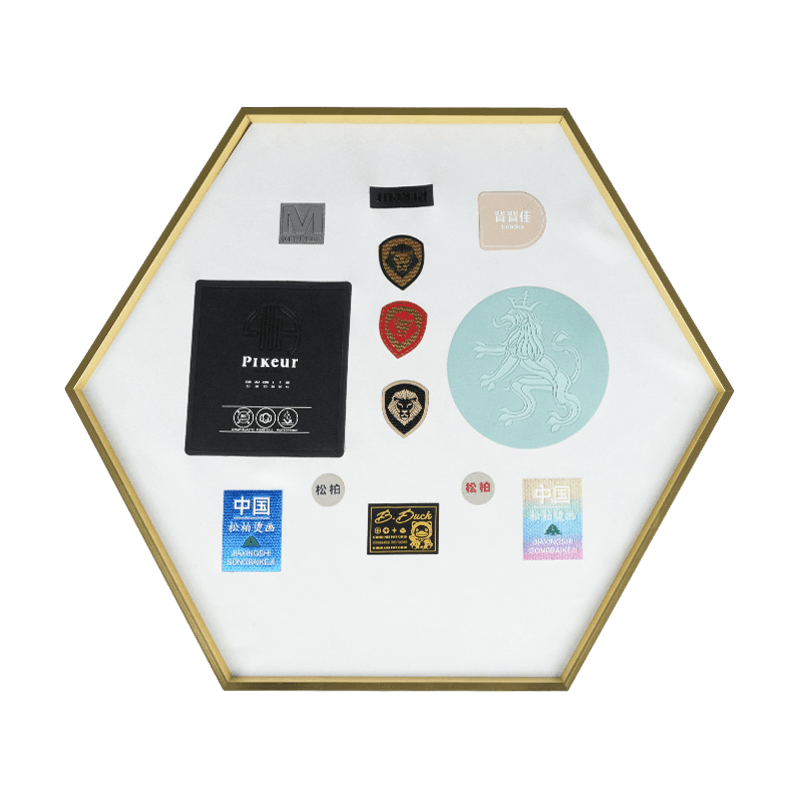
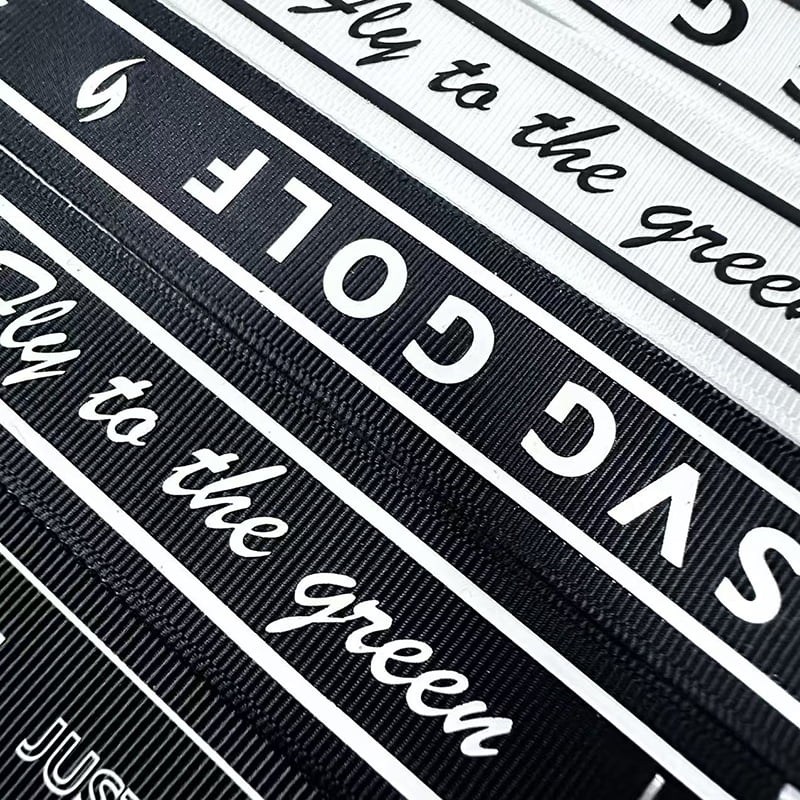
Silicone 3D/2D labels are premium flexible marking products made from food-grade and environmentally friendly silicone materials, formed by precision molding processes. They are divided into flat 2D labels and three-dimensional 3D labels according to the production process and surface effect. These labels have become the first choice for brand identification and product marking in multiple industries due to their outstanding durability, flexibility, weather resistance, safety, and non-toxicity.
Compared with traditional paper labels, plastic labels, metal labels, and woven labels, silicone 3D/2D labels break through the limitations of application scenarios and service life. They can maintain stable performance in extreme environments such as high temperature, low temperature, water immersion, oil pollution, and ultraviolet radiation, and will not crack, fade, fall off, or deform. At the same time, their soft touch, bright colors, and diverse shapes can greatly enhance the brand image and product added value.
In practical applications, silicone 3D labels are suitable for scenes requiring three-dimensional texture and tactile perception, while 2D silicone labels are more suitable for flat, concise, and refined marking needs. The two types of labels complement each other and cover almost all fields that require high-performance flexible identification, including daily necessities, electronic products, automotive interiors, medical equipment, footwear and clothing, outdoor products, etc.
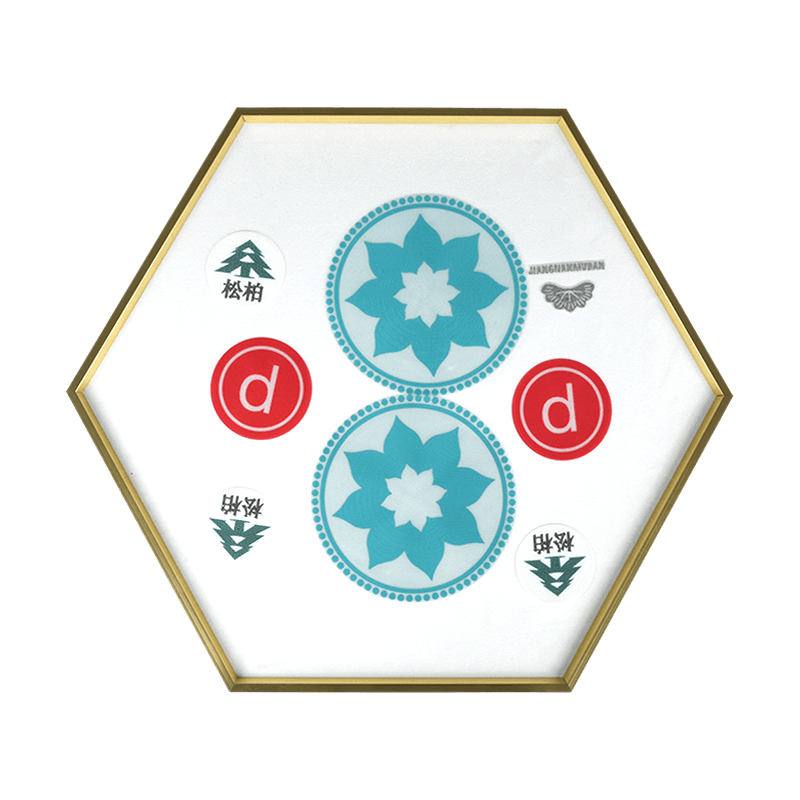
Silicone 2D labels adopt a flat pressing production process, the surface is smooth and flat without obvious three-dimensional bumps, and the thickness is usually controlled in a thin range. This type of label focuses on clarity, flatness, and fit, and can present fine patterns, texts, and logos, making the overall marking effect neat.
The core characteristics of 2D silicone labels include ultra-thin structure, strong fitting performance, fast production speed, and cost-effectiveness. They are very suitable for products with limited surface space and high requirements for flatness, such as mobile phone accessories, small household appliances, stationery, packaging boxes, etc. Even if attached to curved or irregular flat surfaces, they can fit tightly without warping or falling off.
Silicone 3D labels are formed by high-temperature molding, with a distinct three-dimensional structure on the surface, and the raised parts can present different heights and shapes, bringing dual sensory experiences of vision and touch. The three-dimensional effect of this label can reach more than 90% restoration of design patterns, making the logo and text more three-dimensional and prominent.
3D silicone labels have a stronger visual impact, and the tactile feeling is soft and elastic. They are widely used in scenes that need to highlight the brand image, such as clothing tags, shoe logos, luggage trademarks, automotive interior decorations, etc. Even after long-term use and friction, the three-dimensional shape can be completely preserved, and the recognition will not be reduced.
The performance of silicone 3D/2D labels completely depends on the characteristics of liquid silicone raw materials. As a polymer material with stable chemical properties, silicone endows the labels with a series of excellent physical and chemical properties, which are the core advantages that other label materials cannot match.
Silicone labels can work normally in the temperature range of -60°C to 200°C, which is far beyond the tolerance range of traditional plastic and cloth labels. In high-temperature environments such as automotive interiors, kitchen supplies, and industrial equipment, they will not soften, melt, or release harmful substances; in low-temperature environments such as outdoor cold regions and refrigeration equipment, they will not become brittle or crack.
After professional formula optimization, silicone labels have high wear resistance and tensile strength. Under daily friction, pulling, and extrusion conditions, the surface pattern and text will not wear, and the overall structure will not be damaged. Relevant tests show that high-quality silicone labels can withstand more than 50,000 times of friction without obvious wear marks, which is very suitable for frequently touched products.
Silicone materials have natural inertness and are not easy to react with acids, alkalis, oils, alcohols and other chemical substances. This feature makes silicone 3D/2D labels widely used in chemical products, cleaning supplies, auto repair tools and medical equipment. Even if they are in contact with chemical reagents for a long time, they can maintain their original shape and color without corrosion or discoloration.
All raw materials used in silicone labels are non-toxic and environmentally friendly, free of bisphenol A, phthalates and other harmful substances, and can pass food contact safety testing and children's product safety certification. This makes them the preferred identification materials for baby products, tableware, medical supplies and food packaging, ensuring the safety of users while realizing product marking.
The production of silicone 3D/2D labels requires professional molding equipment and standardized processes. Although the processes of 2D and 3D labels are slightly different, they both follow the core steps of mold making, raw material preparation, molding forming, post-processing and quality inspection to ensure the stability and consistency of product quality.
The production of 3D silicone labels is more complicated, focusing on the restoration of three-dimensional effects. The core is to use three-dimensional molds with concave-convex structures, and form distinct three-dimensional bumps through high-temperature and high-pressure molding. The entire process requires precise control of temperature, pressure and curing time to ensure that the raised parts are full, the edges are neat, and the three-dimensional effect is consistent.
Compared with 2D labels, 3D silicone labels need longer curing time and more precise mold processing technology. The mold accuracy of high-quality 3D silicone labels can reach 0.01mm, which can completely restore the details of the design draft, including fine lines, gradual changes and three-dimensional layering.
In order to expand the application scope, silicone 3D/2D labels will carry out targeted post-processing after molding. Common post-processing methods include adding self-adhesive on the back, hot-melt adhesive, sewing edges, pressing buckles, etc. Among them, the self-adhesive back is the most widely used, which can be directly attached to various material surfaces; the sewing edge design is suitable for clothing, footwear and luggage, and can be firmly fixed by sewing.
To more intuitively reflect the advantages of silicone 3D/2D labels, we compare them with four common traditional labels in terms of performance, application and service life. The data comes from actual use tests and industry application feedback, which can provide a clear reference for selection.
| Label Type | Weather Resistance | Flexibility | Service Life | Environmental Safety |
|---|---|---|---|---|
| Silicone 3D/2D Labels | Excellent | Excellent | 3-5 years | Non-toxic and safe |
| Paper Labels | Poor | Poor | Several months | Easy to pollute |
| Plastic Labels | Medium | Medium | 1-2 years | Contains additives |
| Woven Labels | Medium | Good | 2-3 years | General |
From the comparison results, silicone 3D/2D labels have absolute advantages in all dimensions. The service life is more than twice that of traditional plastic and woven labels, and they adapt to more complex environments. At the same time, their safety and environmental protection performance meet the strictest standards in the current market, which is in line with the consumption trend of green and healthy.
With their comprehensive performance advantages, silicone 3D/2D labels have penetrated into various fields of daily life and industrial production. They are not only simple marking products, but also important carriers to enhance brand value and product texture. The following are the most widely used fields and their application characteristics.
This is the largest application field of silicone 3D/2D labels. 3D silicone labels are mostly used on shoe tongues, heel parts and clothing chest logos, highlighting the brand image with three-dimensional effects; 2D silicone labels are used on clothing washing labels, size labels and decorative strips, with flat and fit effects. Silicone labels on footwear and clothing can withstand repeated washing and friction without fading or falling off.
Electronic products have high requirements for label safety, high temperature resistance and aesthetics. Silicone 2D labels are widely used in earphones, chargers, small speakers and tablet shells, with thin thickness and strong fitting; 3D silicone labels are used in electronic device buttons and decorative logos, with soft touch and long service life. They will not interfere with electronic signals and have good insulation properties.
Automotive interiors are in a high-temperature and dry environment for a long time, and silicone labels can maintain stable performance. They are used in automotive seat logos, steering wheel decorations, interior trim parts and car foot mat marks. They can withstand long-term exposure and high-temperature baking without deformation or discoloration, and are compatible with automotive interior materials without corrosion.
Medical equipment, nursing supplies and baby products use silicone 3D/2D labels in large quantities, relying on their non-toxic, odorless, high-temperature sterilization resistance characteristics. These labels can withstand medical disinfection processes such as high-temperature steam and alcohol wiping, and will not release harmful substances, fully meeting the safety requirements of medical and baby products.
Outdoor products such as mountaineering bags, tents, sports water bottles and yoga mats need labels with waterproof, UV resistance and wear resistance. Silicone 3D/2D labels can work normally in outdoor harsh environments such as rain, snow, sunlight and sand and gravel friction, and the service life is synchronized with the product life, becoming the standard configuration of high-end outdoor products.
Silicone 3D/2D labels have diversified installation methods, which can be matched according to different product materials and use scenarios. The installation process is simple and does not require complex professional equipment, which is convenient for large-scale use and post-maintenance.
Most silicone labels are equipped with high-viscosity self-adhesive on the back, covered with release paper. During installation, just tear off the release paper and attach the label to the clean and dry surface of the product. The self-adhesive has initial adhesion and durability, and can be firmly fixed on plastic, metal, glass, fabric, leather and other materials without falling off for a long time.
Silicone labels used in clothing, footwear and luggage are usually designed with sewing edges, which can be fixed on the fabric surface by ordinary sewing machines or manual sewing. This fixing method is firm and durable, suitable for products that need frequent washing and stretching, and will not cause the label to shift or fall off due to external force.
For industrial products and high-load-use scenarios, silicone labels can be fixed by hot-melt processes. Heat the hot-melt adhesive on the back of the label to melt it, and press it on the product surface. After cooling, it forms an integrated fixed structure with extremely high firmness, suitable for automotive parts, industrial equipment and other products with high fixing requirements.
In the production process of plastic, rubber and other products, silicone 3D/2D labels can be embedded into the mold in advance, and integrated with the product after one-step molding. This installation method makes the label and the product integrated, with the highest firmness and the most beautiful appearance, widely used in high-end electronic products and daily necessities.
Although silicone 3D/2D labels have excellent durability, correct daily maintenance can further extend their service life and keep the appearance and performance in the best state. These maintenance tips are simple and easy to operate, suitable for all application scenarios.
Silicone labels have a smooth surface and are not easy to adhere to dirt. Daily cleaning only needs to wipe with clean water or a soft cloth dipped in neutral detergent. Avoid using strong acid, strong alkali or abrasive cleaning agents to prevent damage to the surface of the label. For labels used in oily environments, regular oil removal treatment can keep the colors bright.
Although silicone labels are resistant to high temperature and ultraviolet rays, long-term continuous exposure to extreme environments will slightly accelerate the aging speed. For outdoor products, try to avoid long-term direct exposure to strong sunlight when not in use; for high-temperature equipment labels, regular inspection can find and deal with aging problems in advance.
The surface of silicone labels is soft, and sharp objects such as knives and needles will leave permanent scratches. In the process of use and installation, keep away from sharp tools to ensure the integrity of the label surface and pattern. For 3D silicone labels with raised structures, avoid excessive pressing on the raised parts to maintain the three-dimensional effect.
For labels used in high-frequency vibration and friction scenarios, regularly check whether the edges are warped and whether the adhesive is valid. If slight warping occurs, press it again with a certain pressure to restore the fitting state. Proper inspection and maintenance can make the service life of silicone labels exceed 5 years in most scenarios.
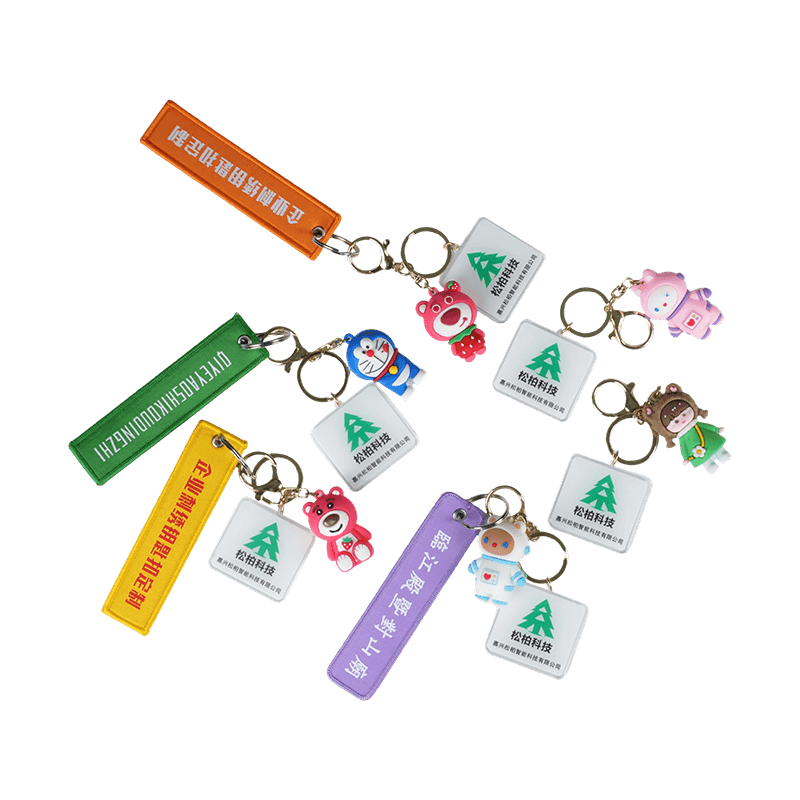
Silicone 3D/2D labels support high-degree customization, which can be tailored according to brand style, product characteristics and use needs. Customization covers size, color, shape, process, thickness and other dimensions, fully meeting the personalized identification needs of different products.
When designing silicone 3D/2D labels, the simplicity and clarity of patterns and texts should be guaranteed first to avoid too fine lines, which will affect the molding effect. For 3D labels, the height of the raised part should be controlled within a reasonable range to ensure a full three-dimensional effect and comfortable touch. At the same time, the color matching should conform to the brand image, and the contrast between the pattern and the background color should be enhanced to improve recognition.
In addition, the design should also consider the installation method and application scenario. For example, the labels used for sewing need to reserve enough edge space; the labels used for embedded installation need to match the mold structure of the product. Professional design can make silicone labels perfectly integrate with the product and maximize the marking and decorative effects.
With the upgrading of consumption and the improvement of product quality requirements, the market demand for silicone 3D/2D labels is growing year by year. They are gradually replacing traditional labels and becoming the mainstream choice of high-end products and branded products. The future development trend of the industry is clear and has broad prospects.
Global countries have increasingly strict environmental protection and safety standards for products, and non-toxic, recyclable and environmentally friendly silicone materials fully meet policy requirements. Silicone 3D/2D labels will be more widely used in food, medical, baby and other high-safety-required fields, and the market penetration rate will continue to increase.
The development of digital molding technology makes the customization cycle of silicone labels shorter and the cost lower. Small-batch, personalized and customized labels will become a trend, meeting the brand building needs of small and medium-sized brands. At the same time, the combination of intelligent technology such as anti-counterfeiting chips and silicone labels will endow them with anti-counterfeiting and traceability functions and expand application value.
In addition to traditional fields, silicone 3D/2D labels are gradually expanding to emerging industries such as new energy equipment, smart wearable devices, and robotic products. Their high temperature resistance, insulation, flexibility and other characteristics match the performance requirements of emerging products, and the market growth rate in emerging fields is expected to exceed 30% per year.
In general, silicone 3D/2D labels, with their unique performance advantages and wide adaptability, will always occupy an important position in the field of product identification. Whether it is daily consumer goods or industrial equipment, they can provide stable, beautiful and safe marking solutions, and become an indispensable part of product manufacturing and brand building.

[email protected]

+86-18967386982

Manager Yu

3rd Floor, Building 15, Xinhua Road, Baibu Town, Haiyan County, Jiaxing City, Zhejiang Province, China