

 +86-18967386982



0m²
0
0+
0+

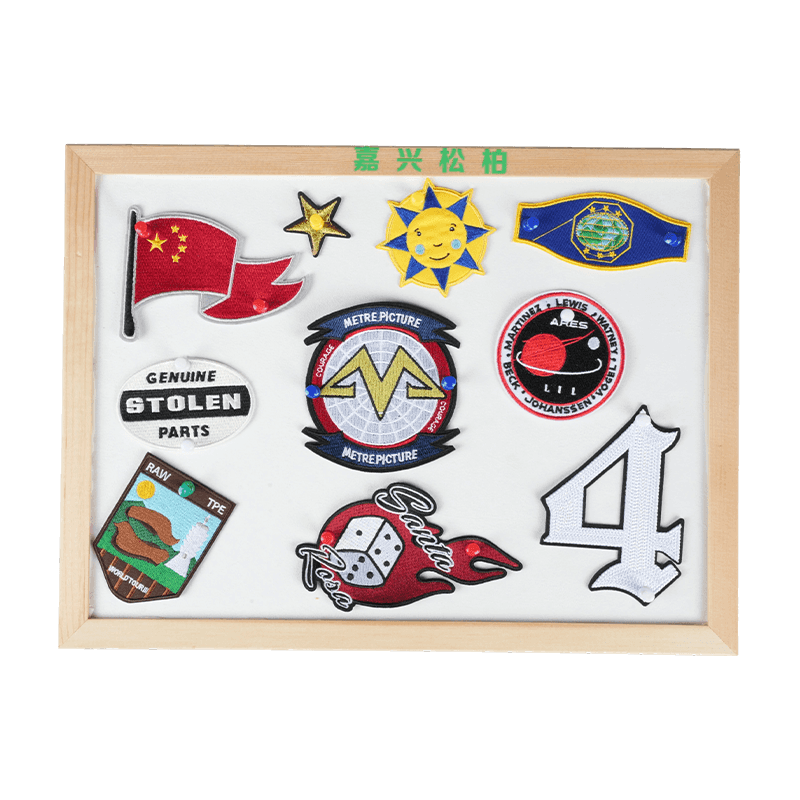
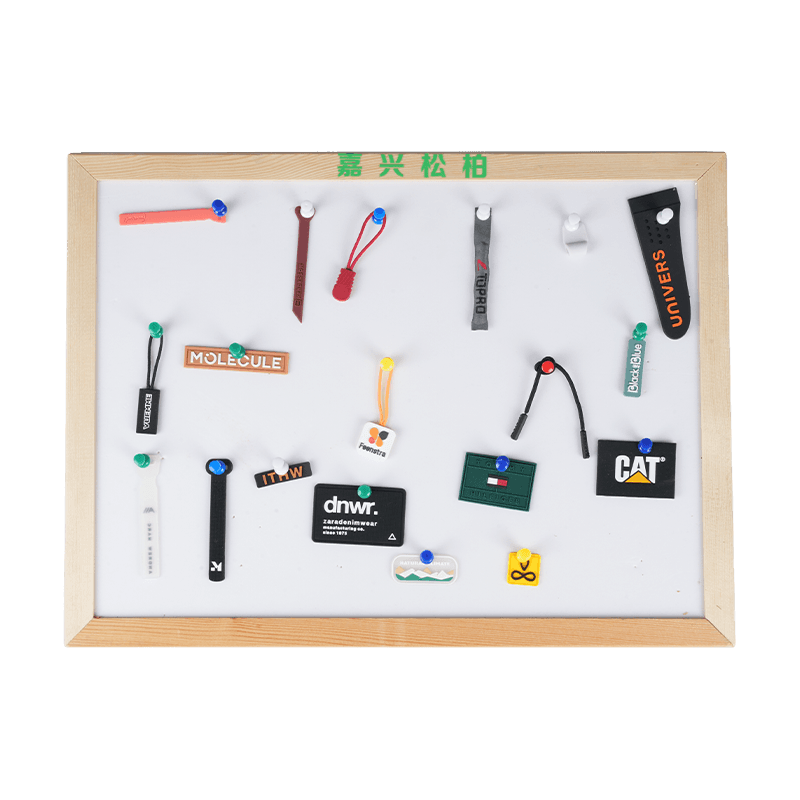
Circular fashion represents a systematic shift from traditional linear production models to sustainable, regenerative systems where products and materials are reused, remanufactured, and recycled. Within this framework, trims accessories garment components play a critical role in enhancing durability, facilitating recyclability, and reducing environmental impact. Trims and accessories are not peripheral elements; they directly influence garment life cycle outcomes, resource consumption, and end of life processing. Therefore, optimizing trims is essential to achieving circular fashion objectives.
Circular fashion incorporates principles such as reducing waste at all stages of the product life cycle, extending product life through design, and enabling material recovery at the end of use. For trims, this requires careful material selection, design for disassembly, and consideration of recycling pathways.
Trims, including buttons, labels, zippers, fasteners, and decorative elements, constitute a significant part of garment structure and performance. The term trims accessories garment encompasses all of these components, which can greatly influence garment sustainability. Traditionally, many trims are made from diverse materials, often combining plastics, metals, fibers, and adhesives, making recycling and recovery difficult if not planned carefully.
To optimize trims for circularity, it is crucial to evaluate their life cycle impacts. This begins at the design stage, where choices about materials and attachment methods determine how easily trims can be separated and reused. For example, selecting metal-free or mono-material trims simplifies recycling processes and reduces sorting complexity at recycling facilities. Conversely, using mixed materials without a clear end-of-life strategy can hinder circularity.
The integration of design for disassembly principles into trims design ensures that garments can be more easily taken apart at the end of their useful life. This may involve the use of snaps or modular components that can be separated without damage. In addition, the choice of materials that are compatible with existing recycling streams enhances the potential for those trims to be repurposed or reintegrated into new product flows. By emphasizing circular design principles, professionals can reduce waste, improve material reuse, and support broader sustainability goals.
Selecting appropriate materials for trims is a primary factor in executing circular fashion strategies. Material innovation focuses on reducing reliance on virgin resources, choosing materials that can be effectively recycled, and balancing performance requirements with environmental considerations. This process involves technical evaluation of material properties, environmental impacts, and compatibility with recycling infrastructure.
Key considerations for material selection include mechanical durability, chemical safety, and compatibility with garment materials. For instance, bio-based polymers and recycled metals are emerging options for trims, providing reduced environmental footprints while maintaining performance standards. However, material innovation must also consider supply chain reliability and the capacity for consistent quality in large-scale production.
In the context of materials research, experimentation with mono-material trims has gained traction. Mono-material trims simplify recycling due to their uniform composition, eliminating the need for complex separation processes. These materials may be designed to match or complement the primary textile, enabling integrated recycling. Furthermore, advancements in biodegradable polymers offer new opportunities for trims that degrade safely in controlled conditions without leaving harmful residues.
It is also necessary to evaluate the entire supply chain when selecting materials. Sustainable material certifications, transparency in sourcing, and verified recycling pathways contribute to better outcomes. Professionals involved in material procurement and product design must balance cost, performance, and environmental impact to achieve optimal solutions for circular trims. By strategically selecting materials, brands and manufacturers can support circularity while maintaining product quality.
Design strategies for circular trims involve intentional planning to ensure ease of disassembly, material reuse, and alignment with garment end-of-life processes. The term garment trims and accessories broadly categorizes these targeted design elements, which must be integrated thoughtfully into overall product architecture. Design for circularity requires cross-disciplinary collaboration, combining aesthetics, engineering, and sustainability expertise.
One foundational strategy is designing trims that can be easily detached without damaging the garment. This may include using mechanical fasteners that are compatible with repair and recycling processes. For example, snaps or buttons that can be unscrewed and reused provide clear benefits over permanently affixed components. In contrast, trims that are sewn into seams or bonded with irreversible adhesives create barriers to disassembly and recycling.
Another design consideration involves modular components that can be updated or replaced. This extends product life by enabling users to refresh or repair specific elements rather than discarding the entire garment. Modular design not only supports durability and longevity but also opens pathways for innovative reuse models such as refillable or customizable features.
Incorporating color and aesthetic considerations into circular design is also important. Designers must ensure that trims are not only functional but visually aligned with brand identity and consumer expectations. This requires a balance between sustainability and market demands, supported by technical knowledge of materials and attachment methods. By embedding circular design principles into trims planning, teams can enhance the environmental performance of garments without compromising quality or appeal.
Manufacturing practices are critical in operationalizing circular fashion goals. Production systems must adapt to accommodate new materials, design requirements, and quality standards associated with circular trims. Efficient manufacturing processes contribute to reduced waste, improved resource use, and increased product traceability.
A crucial aspect of manufacturing for circularity is the reduction of off-cuts and production waste. By optimizing cut planning and adopting lean manufacturing methods, factories can minimize excess material use. Trims production, in particular, should account for efficient use of raw materials and the potential reuse of manufacturing remnants. Closed-loop manufacturing systems capture and recycle off-cuts and scrap, enabling materials to be reintegrated into future production cycles.
In addition to waste reduction, manufacturing quality control ensures that trims meet performance standards for durability and compatibility with recycling streams. Consistent quality reduces the likelihood of defective products, which could otherwise contribute to waste. Clear documentation throughout the manufacturing process supports traceability, enabling stakeholders to track material origins and end-of-life options.
The integration of digital tools within manufacturing also enhances circular outcomes. Digital tracking systems capture data on material composition, production processes, and quality metrics. This information informs design and procurement decisions, supports compliance reporting, and enables continuous improvement. By embedding circular objectives into manufacturing practices, companies can build resilient systems that contribute to broader sustainability targets.
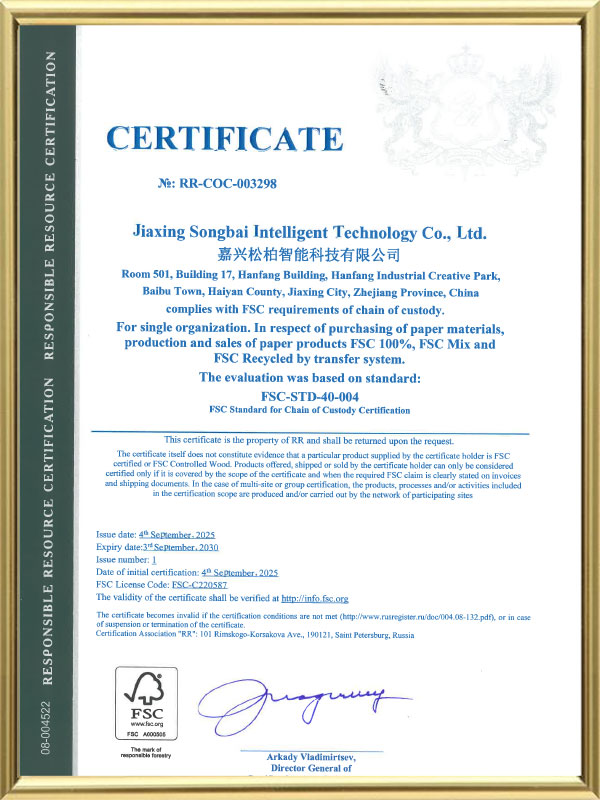
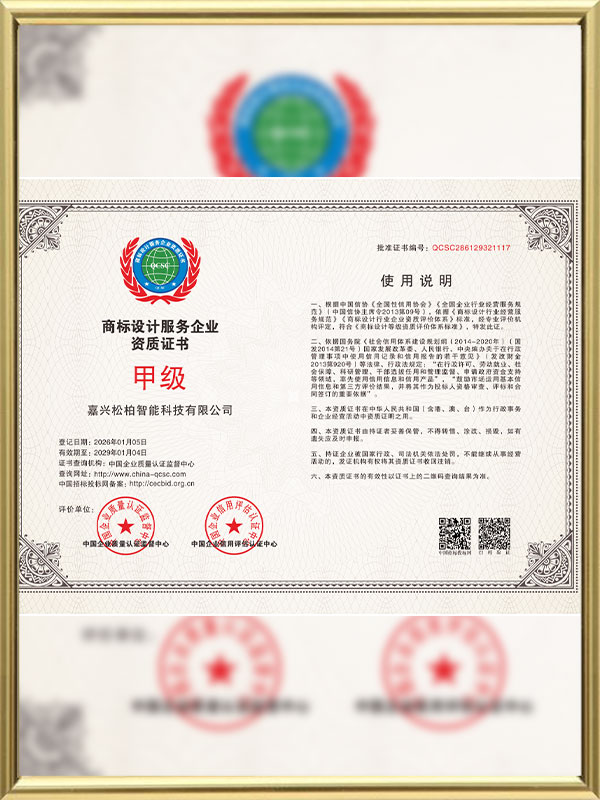
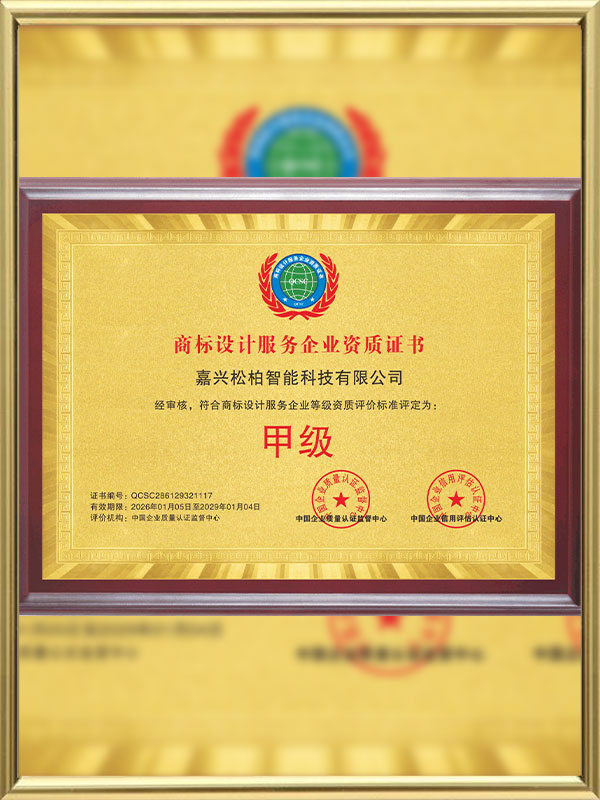
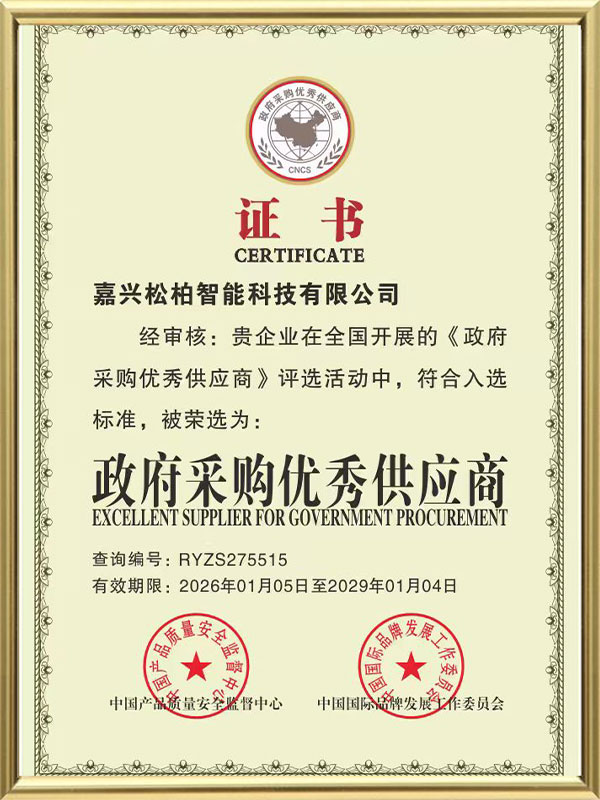
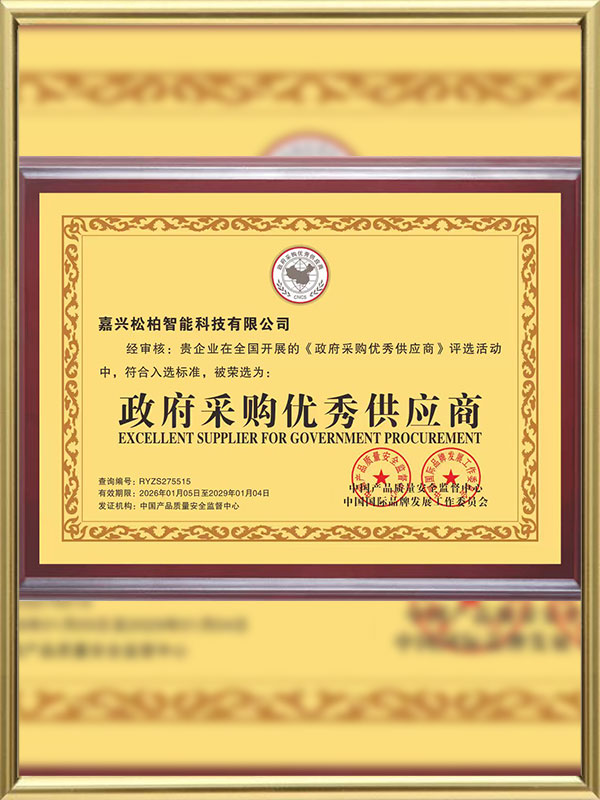
Songbai Technology Co., Ltd. exemplifies how a company can integrate circular fashion principles within its operational framework. Songbai Technology Co., Ltd. is a specialist printing enterprise producing heat transfer labels, hangtags, care labels, woven labels, and label stickers. Through two decades of continuous development and innovation, the company has cultivated multiple teams of employees possessing comprehensive technical expertise, proficient operational skills, and strong cohesion.
The company’s evolution emphasizes intelligent manufacturing, where advanced automated machinery and digital management systems optimize production from design to packaging. These practices align with circular fashion objectives by reducing waste, improving material utilization, and enhancing product quality. For example, precision printing techniques reduce off-cuts and materials misuse, while intelligent management systems ensure consistency across product lines.
In addition, Songbai Technology demonstrates commitment to material performance, focusing on products with enhanced durability and wash fastness. These attributes contribute to extended garment life, a key metric in circular systems. With ongoing refinement in both technology and materials, Songbai’s products support sustainable outcomes without compromising functionality. As the company continues to innovate, it provides valuable insights into how technical excellence and circular objectives can coalesce.
Assessment metrics are essential for evaluating progress toward circular fashion goals. Without robust metrics, it is difficult to quantify improvements or identify areas requiring additional attention. Key performance indicators (KPIs) related to trims accessories garment optimization should address material efficiency, disassembly potential, and recycling performance.
Important metrics include material circularity indicators, which assess the proportion of recycled or renewable materials used in trims relative to virgin inputs. Tracking this metric over time provides insights into sourcing effectiveness. Another valuable metric is design for disassembly score, which reflects the ease with which trims can be separated from garments at end-of-life. This score may be derived from qualitative assessments of attachment methods and material compatibility.
Recycling yield measures the proportion of trims material successfully reprocessed into new streams. This requires collaboration with recycling partners to obtain accurate recovery data. Data on product longevity, including average use life and failure rates, also contributes to understanding circular performance. Longer lasting trims reduce the frequency of replacement and contribute to reduced environmental impact.
Monitoring these metrics enables continuous improvement. By integrating data into product development cycles, teams can refine material choices, design features, and manufacturing processes. Transparent reporting further enhances stakeholder confidence and supports compliance with emerging circular fashion standards.
Despite substantial progress in circular fashion, challenges remain in optimizing trims for sustainability. One major challenge lies in the complexity of materials and manufacturing systems. Many existing trims are composed of mixed materials that resist separation and recycling. Transitioning to mono-material or easily recyclable options may require significant redesign efforts and investment.
Another challenge relates to supply chain coordination. Circular objectives demand collaboration among designers, manufacturers, recyclers, and brands. Aligning incentives across these stakeholders can be difficult, particularly when circular outcomes do not yet command direct market premiums. Standardizing circular metrics and reporting mechanisms may support coordination, but this requires industry-wide engagement.
Looking forward, innovation in material science and manufacturing technologies will continue to shape circular trims solutions. Advances in biodegradable polymers, digital tracking systems, and automated disassembly technologies hold promise for improving outcomes. Furthermore, circular business models such as product take-back programs and refurbishment services can extend product life and create new value streams.
As the industry evolves, technical professionals and decision makers must remain informed about emerging practices and standards. Continued research, collaboration, and investment are necessary to realize the full potential of circular fashion.
Optimizing trims for circular fashion objectives requires a comprehensive, multidisciplinary approach encompassing material selection, design strategies, manufacturing practices, and performance assessment. Trims accessories garment elements are not merely decorative; they influence durability, recyclability, and environmental impacts. By adopting circular design principles, companies and technical teams can reduce waste, enhance material reuse, and support global sustainability efforts.
Songbai Technology Co., Ltd. demonstrates that operational excellence and circular objectives can coexist within advanced manufacturing systems. By focusing on material performance, intelligent manufacturing, and quality control, companies can make tangible contributions to circular fashion while meeting market demands.
Implementing effective metrics and fostering cross‑sector collaboration will further support progress. The challenges are considerable, but through concerted efforts and innovation, the optimization of trims represents a viable pathway toward more sustainable fashion systems.
| Question | Answer |
|---|---|
| What are circular trims? | Circular trims are garment components designed for reuse, recyclability, or biodegradability, aligned with circular fashion principles. |
| How does material choice impact garment sustainability? | Materials with higher recyclability and lower environmental footprints reduce resource consumption and enable more efficient recycling, improving sustainability outcomes. |
| Why is design for disassembly important? | Design for disassembly ensures garment components, including trims, can be separated easily at end-of-life, facilitating recycling and material recovery. |
| What metrics measure circular trims performance? | Metrics include material circularity indicators, design for disassembly scores, and recycling yield measurements to assess effectiveness. |
| How can manufacturers reduce waste in trims production? | By optimizing cutting plans, adopting lean manufacturing, and implementing closed-loop systems to recapture and reuse off-cuts. |

[email protected]

+86-18967386982

Manager Yu

3rd Floor, Building 15, Xinhua Road, Baibu Town, Haiyan County, Jiaxing City, Zhejiang Province, China





 English
 Español
 عربى
عربى