

 +86-18967386982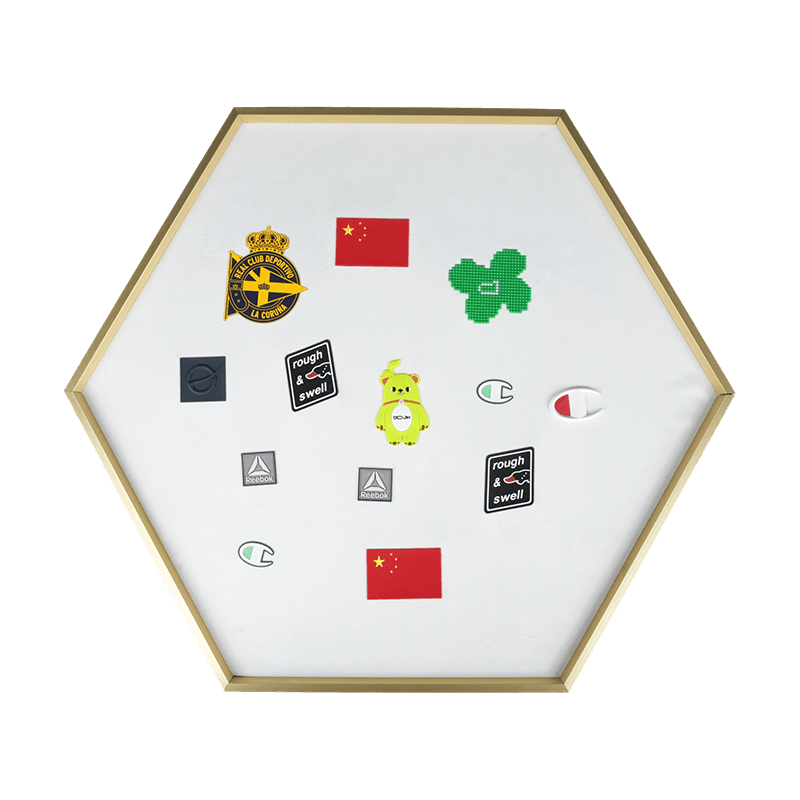



0m²
0
0+
0+

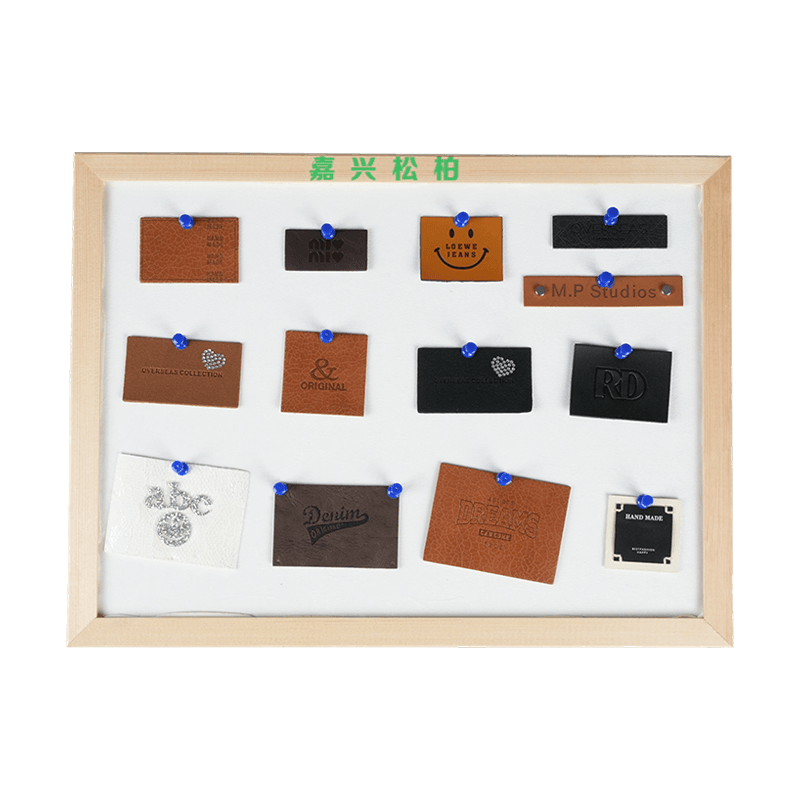
In an age where brands seek precision, durability, and versatility in their product labeling, high-frequency heat transfer labels have emerged as a crucial innovation. These specialized labels are increasingly sought after for their outstanding qualities, which include excellent adhesion, high durability, and the ability to withstand various environmental conditions.
High-frequency heat transfer labels are a type of labeling technology that utilizes heat and pressure to bond a printed design onto fabric or other surfaces. This technology ensures that the labels have a high level of durability and aesthetic appeal, making them ideal for applications in industries such as fashion, automotive, sportswear, and more.
The process of creating these labels involves several stages, including the design of the label, printing with specialized inks, and then applying heat and pressure to transfer the ink to the target material. This process allows for precise and detailed designs, which can include logos, product information, and care instructions.
The technology behind high-frequency heat transfer labels revolves around high-frequency electrical fields that are used to generate heat and transfer ink onto the substrate. This method provides an alternative to traditional screen printing or embroidery by eliminating the need for additional materials such as backing paper or adhesives. The high-frequency process works by applying energy through a specially designed die that heats the transfer materials to the required temperature for a successful transfer.
This technology is especially beneficial for intricate designs and complex logos, which would otherwise be difficult to achieve using other traditional methods. The process ensures that the design is embedded into the material, increasing the longevity and performance of the label.
High-frequency heat transfer labels are used in a wide array of industries. Below is a list of their primary applications:
| Industry | Application |
|---|---|
| Apparel and Fashion | Clothing labels, branding tags, care instructions |
| Sportswear | Logos and branding for jerseys, tracksuits, shoes |
| Automotive | Branding, warning labels, and product instructions |
| Electronics | Safety, cautionary, and product information labels |
| Toys and Consumer Goods | Branding and regulatory compliance labels |
Songbai Technology Co., Ltd., with over two decades of experience, has perfected the art of manufacturing high-frequency heat transfer labels. The company’s expertise in the printing and application of these labels ensures that they meet the rigorous demands of a wide range of industries.
The technology behind high-frequency heat transfer labels results in crisp, vibrant designs that stand out. Unlike traditional sewing or printing methods, which can sometimes cause designs to fade or wear over time, high-frequency heat transfer labels remain intact and sharp, enhancing the overall look and feel of the product.
High-frequency heat transfer labels are known for their long-lasting properties. They offer exceptional wash fastness, meaning the design remains intact even after repeated washes. This durability makes them particularly suitable for clothing items like sportswear, which endure frequent laundering.
These labels can be used on a wide range of substrates, including both natural and synthetic fabrics. The flexibility of the technology allows manufacturers to use it on a variety of products, ranging from delicate fabrics like silk to tougher materials such as polyester and nylon.
Despite offering high-quality results, high-frequency heat transfer labels can be a cost-effective solution. Songbai Technology Co., Ltd. has refined its production processes to deliver these labels at competitive prices without compromising quality, thereby providing greater value for manufacturers.
The materials used in high-frequency heat transfer labels can vary depending on the requirements of the end product. Below is a comparison of the most commonly used materials:
| Material | Advantages | Disadvantages |
|---|---|---|
| Polyester Film | Cost-effective, excellent adhesion, durable | May not be as breathable as fabric-based labels |
| Polyurethane Film | Highly durable, ideal for outdoor products | Higher cost compared to polyester |
| PVC | Strong, resistant to wear and tear | Can be less environmentally friendly |
| Cotton | Soft, comfortable, and breathable | Can wear out faster compared to synthetic materials |
When compared to traditional fabric labels, heat transfer labels stand out in several ways. One of the main differences is the application method. Traditional labels may require stitching or adhesives, which can sometimes damage the fabric or affect the label’s durability. On the other hand, high-frequency heat transfer labels bond seamlessly with the fabric, ensuring a longer-lasting product.
Additionally, the design flexibility offered by high-frequency heat transfer labels is far superior. Traditional methods, like embroidery or screen printing, can struggle to reproduce fine details or gradients in designs. Heat transfer labels, however, offer the precision required for intricate artwork.
Choosing high-frequency heat transfer labels provides several key benefits for manufacturers and brand owners. These labels offer an effective way to ensure brand visibility, product compliance, and customer satisfaction.
Q1: What makes high-frequency heat transfer labels different from traditional screen-printed labels?
High-frequency heat transfer labels provide superior durability, precision, and design flexibility. Unlike traditional methods, which may struggle with intricate designs, high-frequency labels can reproduce fine details with clarity and have a longer-lasting bond to fabrics.
Q2: Are high-frequency heat transfer labels eco-friendly?
Yes, when made from recyclable materials such as polyester or cotton-based films, high-frequency heat transfer labels are considered an eco-friendly labeling solution compared to other methods that may involve chemical adhesives.
Q3: What are the typical applications for high-frequency heat transfer labels?
They are commonly used in apparel, sportswear, automotive industries, and consumer electronics for branding, care instructions, and regulatory compliance.
Q4: How long do high-frequency heat transfer labels last?
These labels offer high durability and excellent wash fastness, meaning they can withstand frequent washing and exposure to wear and tear without fading or peeling.
Q5: Can high-frequency heat transfer labels be customized?
Yes, manufacturers can customize high-frequency heat transfer labels with logos, care instructions, and designs, providing a tailored solution for their branding and product needs.

[email protected]

+86-18967386982

Manager Yu

3rd Floor, Building 15, Xinhua Road, Baibu Town, Haiyan County, Jiaxing City, Zhejiang Province, China





 English
 Español
 عربى
عربى