
 +86-18967386982
0m²
0
0+
0+
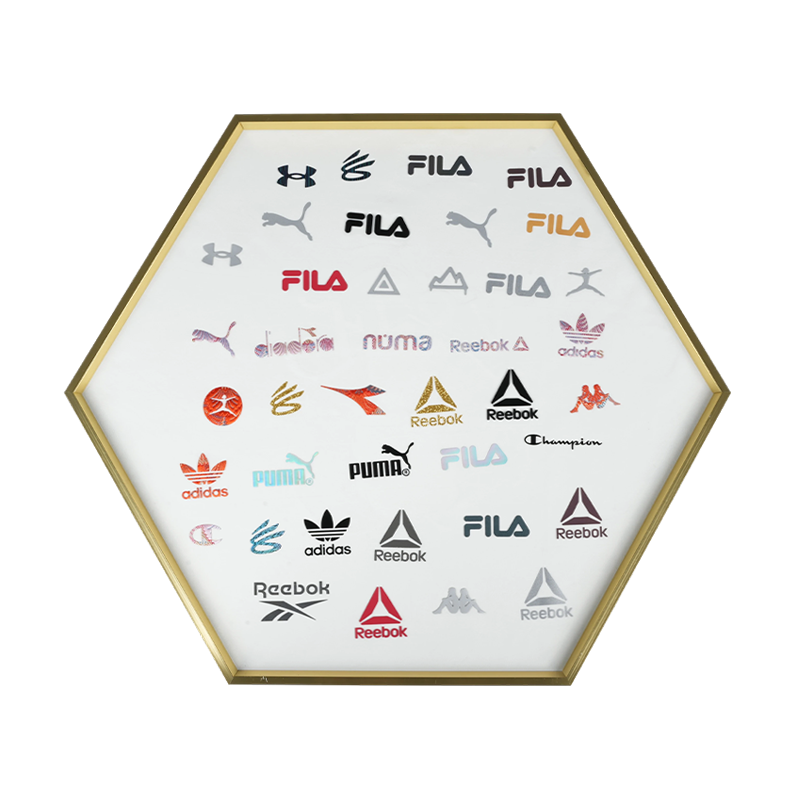
Laser cutting heat transfer technology represents a significant advancement in the world of printing, particularly in the textile and label industries. As one of the most efficient and precise methods for creating intricate designs and patterns on fabric, this technique is gaining traction for its ability to achieve superior finishes while maintaining cost-effectiveness.
Laser cutting heat transfer involves the use of a laser beam to cut and engrave intricate designs on heat transfer material, which is then applied to fabrics using heat and pressure. The laser’s high precision allows for the creation of fine details, small text, and intricate patterns with minimal distortion. The process involves two primary stages: laser cutting and heat pressing, where heat is applied to transfer the design from the heat transfer material onto the fabric.
This process has been widely adopted in industries ranging from fashion and apparel to promotional merchandise and automotive applications, thanks to its versatility, accuracy, and ability to produce designs that are not possible with traditional methods like screen printing or vinyl transfers.
Precision and Detail
Laser cutting heat transfer offers an unparalleled level of precision. The laser’s ability to create detailed designs with sharp edges and intricate patterns ensures that even the smallest text or logos can be transferred onto fabric without distortion. This is especially beneficial for industries requiring high-quality designs, such as fashion or promotional merchandise.
No Need for Additional Tools
Unlike traditional methods, which often require stencils, screens, or dies, laser cutting requires no additional tools. This eliminates the costs associated with tool maintenance and setup, making the process more efficient and cost-effective in the long run.
Speed and Efficiency
Laser cutting can complete a design in a fraction of the time it would take using manual methods, which significantly reduces production time. For Songbai Technology Co., Ltd., a company specializing in the production of heat transfer labels and other printing materials, this time-saving advantage can translate into faster turnaround times and higher production efficiency.
Clean and Precise Edges
One of the standout features of laser cutting is its ability to produce clean and precise edges without fraying or smudging. The high heat generated by the laser vaporizes the material in a controlled manner, ensuring a smooth and professional finish.
Ability to Handle Complex Materials
Laser cutting is not limited to fabric. It can be used on a wide variety of heat transfer materials, including PU leather, silicone, rubber, and even some metals. This versatility makes it a go-to choice for many businesses that require high-quality, multi-material designs.
The materials used for laser cutting heat transfer can vary depending on the intended application and the type of fabric or item to be printed. Some common materials include:
| Material | Properties | Common Applications |
|---|---|---|
| Polyester | Durable, heat resistant, and offers vibrant colors. | Sportswear, apparel, promotional items. |
| PU Leather | Soft, flexible, and provides a premium look. | Fashion, accessories, and automotive. |
| Silicone | Highly resistant to heat and wear, flexible. | Labels, wristbands, promotional items. |
| Cotton | Soft, breathable, and highly absorbent. | Apparel, custom garments, fashion items. |
| Nylon | Strong, lightweight, and resistant to abrasion. | Bags, jackets, outdoor wear. |
Each of these materials offers unique benefits and can be customized based on the needs of the company, whether it’s for enhancing garment aesthetics, creating promotional items, or designing labels and tags.
The laser cutting heat transfer process can be broken down into the following key steps:
Design Creation
The first step involves creating a digital design that will be transferred onto the heat transfer material. This design is prepared using specialized design software, ensuring the correct measurements, dimensions, and artistic elements.
Laser Cutting
Once the design is ready, the heat transfer material is placed in the laser cutting machine. The machine uses a laser beam to cut and etch the design onto the material. The laser can cut intricate patterns with extreme precision, resulting in high-quality designs.
Heat Transfer Application
After the design is cut, it is placed onto the fabric or garment, and heat is applied using a heat press. The heat causes the adhesive on the back of the cut design to bond with the fabric, securely transferring the design.
Cooling and Finishing
After the heat press process, the material is allowed to cool, ensuring that the design adheres properly. Any excess material is then removed, leaving only the cut design on the fabric.
Laser cutting heat transfer is widely used in various industries, especially for applications that require intricate designs and precise detailing. Some of the most common applications include:
Textile and Apparel Industry
Laser cutting heat transfer is a popular choice in the apparel industry, particularly for sportswear, fashion garments, and accessories. The precision offered by laser cutting ensures that logos, brand names, and intricate designs can be transferred onto fabric without any compromise in quality.
Promotional Merchandise
Businesses often use laser cutting heat transfer to create custom promotional products, including branded t-shirts, hats, bags, and more. The ability to achieve fine details and vibrant colors makes it an ideal choice for businesses looking to create unique, high-quality promotional items.
Label and Tag Printing
Songbai Technology Co., Ltd., a leading manufacturer of heat transfer labels, relies on laser cutting technology to produce precise and durable labels for clothing and other products. Laser cutting technology enables companies to deliver products with superior finishes, increased durability, and lower production costs.
Automotive and Industrial Applications
Laser cutting heat transfer is also used in the automotive and industrial sectors, where durability and precision are critical. Whether it’s for upholstery or custom parts, laser cutting ensures high-quality and long-lasting results.
While laser cutting heat transfer offers several advantages, it is essential to compare it with other traditional methods to understand its full potential.
| Method | Advantages | Limitations |
|---|---|---|
| Laser Cutting Heat Transfer | High precision, minimal setup, speed, and versatility. | Limited to materials that can withstand heat. |
| Screen Printing | Cost-effective for large runs, durable prints. | Not suitable for intricate designs or small runs. |
| Vinyl Heat Transfer | Simple process, cost-effective, ideal for smaller jobs. | Less precise for complex designs, limited material options. |
| Sublimation Printing | Vibrant and long-lasting prints, suitable for polyester. | Limited to light-colored fabrics and synthetic materials. |
Laser cutting heat transfer stands out primarily due to its ability to create complex designs on a variety of materials, making it a versatile and reliable option for businesses that require high-quality printed materials.
Laser cutting heat transfer technology has revolutionized the printing industry by offering unmatched precision, efficiency, and versatility. It enables businesses to create intricate and high-quality designs on a wide variety of materials with minimal setup and reduced production costs.

[email protected]

+86-18967386982

Manager Yu

3rd Floor, Building 15, Xinhua Road, Baibu Town, Haiyan County, Jiaxing City, Zhejiang Province, China





 English
 Español
 عربى
عربى