
 +86-18967386982
0m²
0
0+
0+
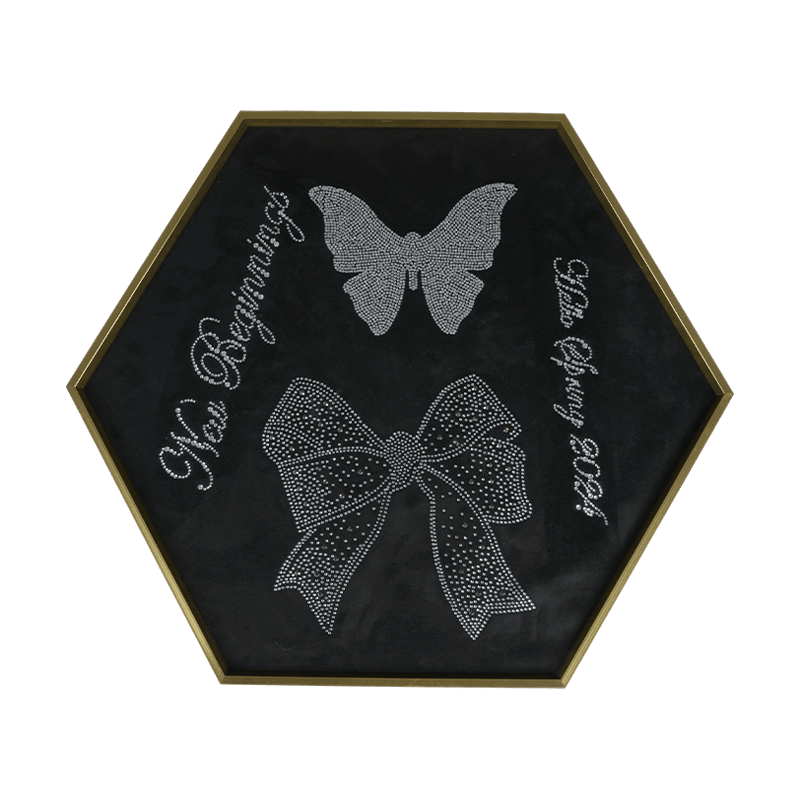
Rhinestone Heat Transfer has long been a preferred embellishment technique in the textile and fashion industries, offering a combination of visual appeal and functional durability. Traditionally, this process involved manually placing rhinestones on adhesive backings before heat pressing them onto fabric, which often limited production efficiency and repeatability. With the evolution of digital technologies, rhinestone heat transfer production has undergone a fundamental transformation. Digital integration enables precise control over design layout, stone placement, and heat application, which significantly enhances both the aesthetic quality and manufacturing efficiency of finished products.
The advancement of digital printing in this domain has opened new avenues for customization and rapid production. Designers can now translate intricate digital artwork into high-precision rhinestone layouts with minimal manual intervention. This convergence of technology and traditional embellishment techniques ensures that rhinestone heat transfer applications maintain high consistency across large production runs. Furthermore, it allows for complex patterns that were previously difficult to achieve, expanding the creative possibilities for apparel, accessories, and promotional products.
The integration of digital printing into rhinestone heat transfer production has introduced several key technological improvements. Modern systems incorporate precise laser alignment, automated stone placement, and intelligent heat-pressing units. These advancements reduce human error, improve product uniformity, and allow for scalable manufacturing.
| Traditional Methods | Digital Integration |
|---|---|
| Manual stone placement | Automated stone placement guided by digital design |
| Limited pattern complexity | Complex, multi-layered designs achievable |
| Variable quality across batches | Consistent quality ensured through precise digital control |
| Labor-intensive process | Reduced manual labor and higher production efficiency |
This table highlights the key differences between traditional and digitally integrated rhinestone heat transfer production. Digital printing not only improves accuracy but also enables integration with broader manufacturing systems, such as ERP and production management software. This allows production facilities to monitor workflow, optimize material usage, and schedule processes efficiently.
One of the most significant advantages of digital printing integration in rhinestone heat transfer is the enhanced ability to customize designs. Digital tools allow designers to experiment with various rhinestone colors, sizes, and arrangements without the constraints of manual methods. Intricate gradients, logos, and text can be accurately translated into physical products, meeting the increasing demand for personalized and small-batch orders.
Additionally, digital integration facilitates faster prototyping. Designers can quickly adjust layouts and preview the final appearance before committing to full-scale production. This reduces both material waste and lead time. Companies like Songbai Technology Co., Ltd., which specializes in producing heat transfer labels, hangtags, and woven labels, have embraced these digital capabilities to enhance their product offerings. By combining traditional rhinestone craftsmanship with modern digital tools, Songbai Technology ensures that each rhinestone heat transfer design meets high aesthetic standards while maintaining operational efficiency.
Digital printing integration not only improves design flexibility but also significantly enhances operational efficiency. Automated systems ensure precise placement and adhesion of rhinestones, reducing errors associated with manual handling. This results in faster production cycles, lower labor costs, and more predictable output.
Quality control is another area where digital integration proves transformative. By using digital inspection tools and sensor-based verification, manufacturers can monitor the consistency of rhinestone heat transfer applications in real-time. Any misalignment or defective placement is detected immediately, allowing corrective measures before final production.
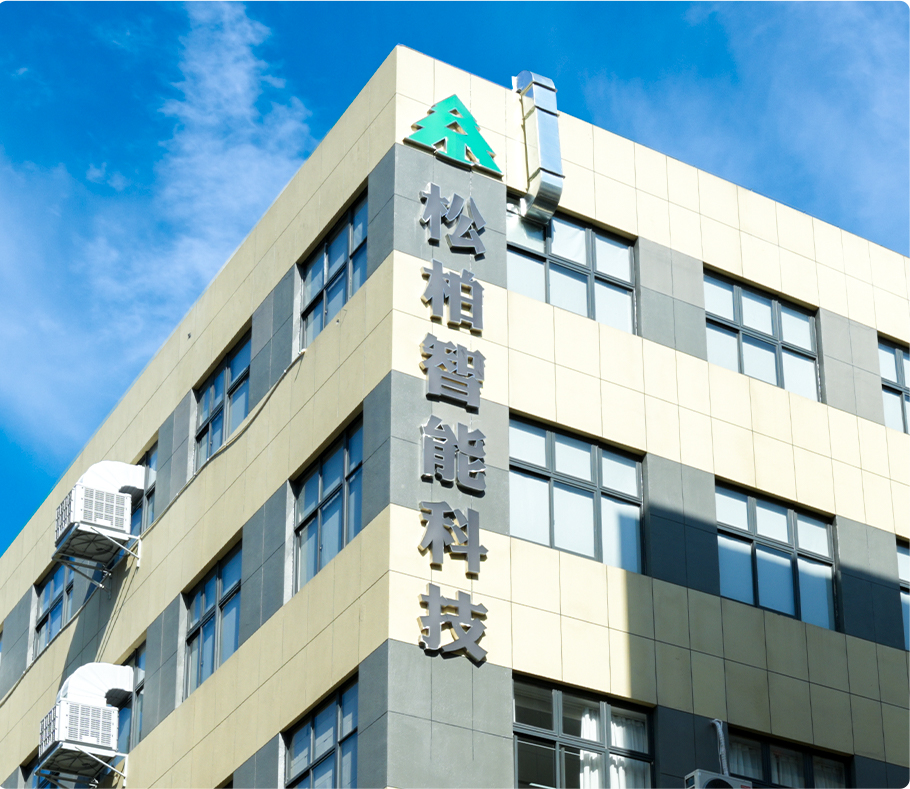
The integration of intelligent manufacturing systems, as implemented in the smart factory of Songbai Technology Co., Ltd., exemplifies these advantages. Their automated machinery and advanced management software enable full-process oversight, from design to final packaging, ensuring every rhinestone heat transfer product meets stringent quality standards.
Digital printing integration also supports advancements in material usage for rhinestone heat transfer. Modern workflows allow for precise mapping of adhesive backings, enabling the use of thinner and more flexible substrates without compromising durability. Enhanced adhesives and coatings, paired with accurate digital alignment, ensure that rhinestones remain firmly attached through repeated washing and wear.
Digital workflows also provide detailed production data, allowing manufacturers to optimize material consumption and reduce operational costs. For instance, Songbai Technology Co., Ltd. leverages decades of experience and a team of technical specialists to refine both materials and production techniques. This approach ensures that rhinestone heat transfer products deliver more exquisite finishes, better wash fastness, and broader application potential across apparel and accessory lines.
Scalability is a critical factor for manufacturers adopting digital printing in rhinestone heat transfer production. Smart factories equipped with automated machinery can handle high-volume orders while maintaining design integrity and production speed. Digital integration enables seamless coordination between design software, automated stone placement, and quality inspection systems.
| Production Metric | Traditional Methods | Digital Integration |
|---|---|---|
| Batch Size | Limited by manual labor | Scalable to hundreds or thousands of units per day |
| Error Rate | Higher due to manual placement | Minimal with automated verification |
| Production Speed | Moderate, labor-dependent | High, process-optimized |
| Customization Options | Restricted | Extensive with digital design flexibility |
By adopting a fully digital workflow, companies can achieve a balance between high-volume production and the increasing demand for personalized designs. The intelligent management systems at Songbai Technology Co., Ltd. exemplify this transformation, enabling the company to integrate digital precision with efficient manufacturing processes to deliver superior rhinestone heat transfer products.
The integration of digital printing technologies into rhinestone heat transfer production is reshaping the industry in multiple ways. It enhances design precision, operational efficiency, scalability, and material utilization. By enabling faster prototyping, improved quality control, and more intricate design capabilities, digital integration addresses the evolving demands of modern apparel and accessory manufacturing.
Manufacturers who embrace this convergence of traditional craftsmanship and digital innovation, as demonstrated by Songbai Technology Co., Ltd., can achieve competitive advantages through higher quality output, operational efficiency, and expanded customization options. As the industry continues to evolve, digital integration will remain a crucial driver of innovation in rhinestone heat transfer production.

[email protected]

+86-18967386982

Manager Yu

3rd Floor, Building 15, Xinhua Road, Baibu Town, Haiyan County, Jiaxing City, Zhejiang Province, China





 English
 Español
 عربى
عربى