

 +86-18967386982

 English
 Español
 عربى
عربىIndustry News
The hang tag has evolved from a mere carrier of price and size information into a critical branding instrument. It serves as the physical bridge connecting the consumer to the brand's ethos, acting as a silent salesperson that significantly elevates the perceived value of the product. A strategically designed hang tag transforms a routine purchase into a memorable, tactile unboxing experience.
The Strategic Importance of Hang Tags
In the competitive landscape of physical retail and e-commerce, the hang tag is often the last point of contact a consumer has with a brand before making a purchase decision. It is an opportunity to communicate brand narrative, quality, and care. Unlike digital advertisements that are easily scrolled past, a physical tag demands a moment of tactile engagement. When a customer touches the tag, reads the texture, and processes the design, they are subconsciously assessing the overall quality of the garment or product it is attached to.
Tactile Marketing and Brand Perception
Tactile marketing leverages the sense of touch to influence consumer psychology. A thick, textured cotton paper tag implies luxury and durability, while a thin, glossy tag might communicate fast fashion and affordability. Brands must align the physical properties of their hang tags with their core identity. A mismatch between product quality and tag quality can immediately degrade consumer trust. Therefore, investing in premium materials for hang tags is not merely an aesthetic choice but a strategic business decision that directly influences perceived product value.
Material Innovation and Sustainable Choices
As environmental consciousness grows, the materials used for hang tags have come under scrutiny. The industry is shifting away from conventional plastic-coated papers and synthetic strings toward innovative, eco-friendly alternatives. This shift is not just about compliance; it is a powerful statement of brand values that resonates deeply with modern consumers.
Exploring Eco-Friendly Alternatives
Several sustainable materials are currently leading the way in hang tag production, each offering unique tactile and visual properties. By utilizing these materials, brands can dramatically reduce their environmental footprint while enhancing their marketability.
- Seed Paper: Embedded with wildflower or herb seeds, these tags can be planted in soil after purchase, creating a lasting, positive environmental impact.
- Recycled Cotton: Producing cotton paper requires significantly less water than wood pulp paper and offers a luxurious, fabric-like texture.
- Kraft Paper: Unbleached and highly biodegradable, kraft paper provides a rustic, earthy aesthetic perfect for organic and natural product lines.
| Material Type | Tactile Feel | Environmental Impact |
|---|---|---|
| Seed Paper | Rustic, Textured | Highly Positive |
| Recycled Cotton | Soft, Fabric-like | Very Low |
| Kraft Paper | Coarse, Earthy | Low |
Design Psychology and Visual Communication
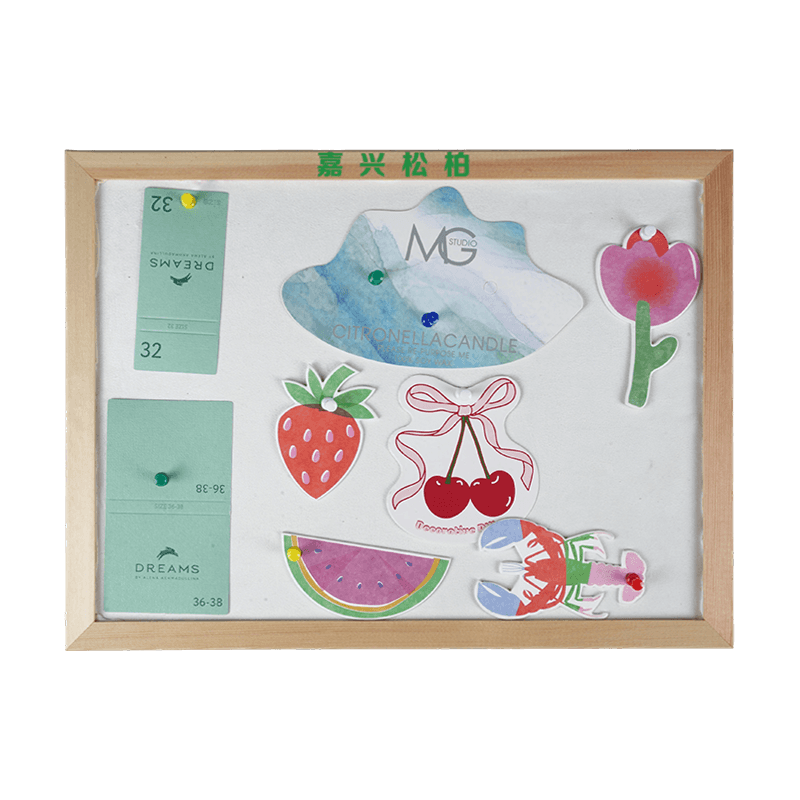
The visual elements of a hang tag must work in harmony to communicate a cohesive message. This includes typography, color theory, and structural shape. A minimalist approach with ample negative space often conveys modern luxury, while bold typography and vibrant colors suggest a more energetic, youth-oriented brand.
Typography and Color Harmony
Typography is the voice of the brand on the tag. Serif fonts can project tradition and reliability, whereas sans-serif fonts communicate cleanliness and modernity. Color choices must align with psychological triggers; for instance, earth tones suggest sustainability, while metallic foils signify premium quality. The structural shape of the tag also plays a crucial role in differentiation. Die-cut tags in custom shapes can capture attention instantly and make the product more recognizable on a crowded rack.
Bridging Physical and Digital Experiences
The modern hang tag is no longer limited to the physical realm. It serves as a gateway to a broader digital ecosystem. By integrating technologies like QR codes or near-field communication (NFC) chips, brands can offer consumers an interactive layer of information without cluttering the physical tag.
Interactive and Functional Applications
A simple scan of a hang tag can direct a consumer to care instructions, styling videos, authenticity verification portals, or exclusive loyalty programs. This not only enhances the user experience but also provides brands with invaluable data on consumer engagement and product registration. Transforming a static tag into an interactive touchpoint significantly increases its return on investment. Some brands are even designing reusable hang tags that function as bookmarks, keychains, or accessories, ensuring the brand remains visible long after the original product is consumed.
Implementing a Successful Hang Tag Strategy
To maximize the impact of hang tags, brands should follow a structured approach that aligns physical production with marketing objectives. This involves careful planning from the initial concept to the final stringing method.
- Define the core message the tag must convey.
- Select a material that reflects the brand's sustainability goals and aesthetic.
- Choose a fastening mechanism, such as cotton string or jute twine, that complements the overall design.
- Integrate digital touchpoints to extend the consumer journey beyond the physical product.
Ultimately, the hang tag is a microcosm of the brand itself. When executed with intention and creativity, it transcends its basic function and becomes a powerful medium for storytelling, customer loyalty, and environmental stewardship.