+86-18967386982

 English
 Español
 عربى
عربى
Home / News / Industry News / Heat Transfer Labels: Practical Types, Quality Checks, and Buying Considerations
Industry News


Content
Imagine you are sourcing 5,000 heat transfer labels for a sportswear line. The design is full color, the fabric is stretch polyester, and the wash cycle reaches 60°C. If a supplier simply says “it will work,” you are not ready to place an order. In practice, heat transfer labels are a family of materials and processes, not one generic product. Durability depends on choosing the right film, adhesive, and application method for the actual garment.
In the apparel and accessories industry, a heat transfer label is a decorative or informational patch printed onto a release carrier and then bonded to fabric with heat and pressure. A typical heat press application range is around 150–180°C for 10–20 seconds at medium pressure, although exact settings depend on the substrate, adhesive, and label thickness. Unlike a woven label, a care label, or a hang tag, a heat transfer label needs no stitching and can leave a flat or slightly raised surface.
If you searched for “thermal transfer labels” because you need ribbons for shipping-label printers, that is a different product category. This guide covers heat transfer labels for clothing, bags, and accessories, and it focuses on what buyers should test before committing to production.
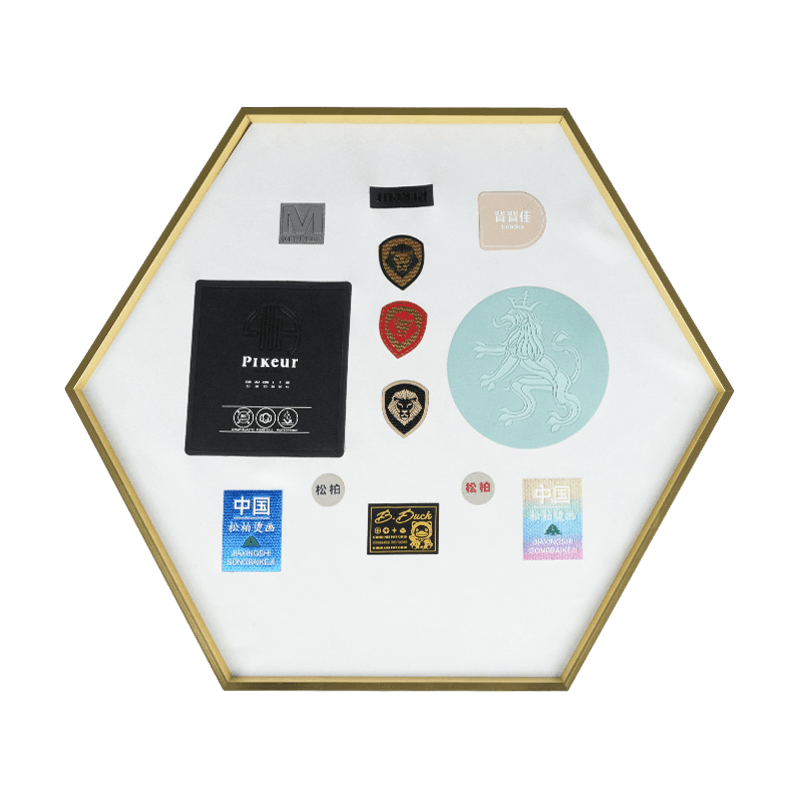
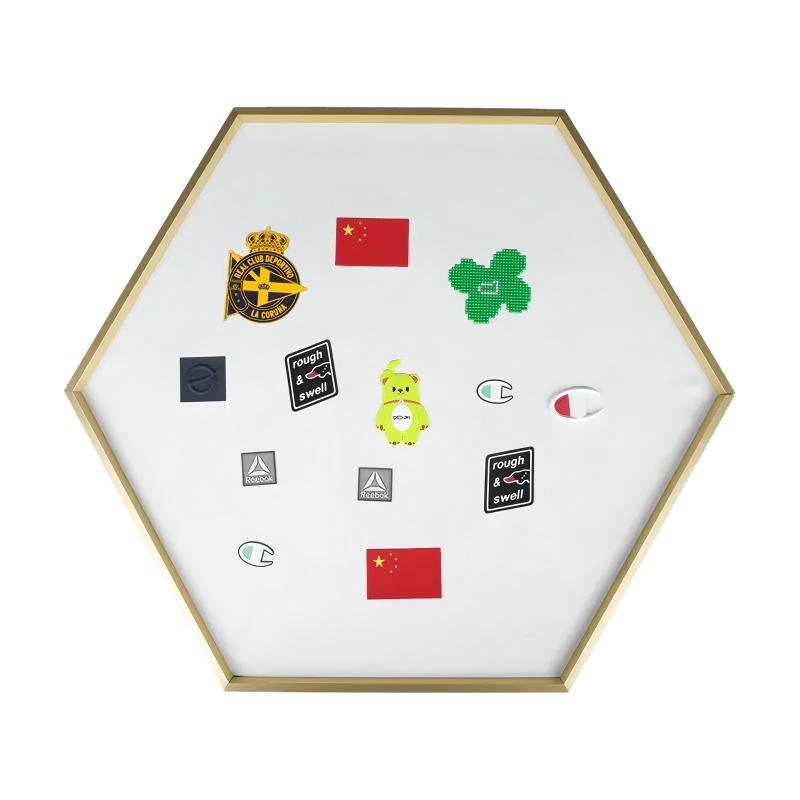
From a sourcing perspective, heat transfer labels can be grouped into four families: flat printed transfers, silicone 3D/2D patches, high-frequency embossed transfers, and decorative options such as flock or rhinestone. The group you choose affects appearance, hand feel, tooling cost, and wash resistance.
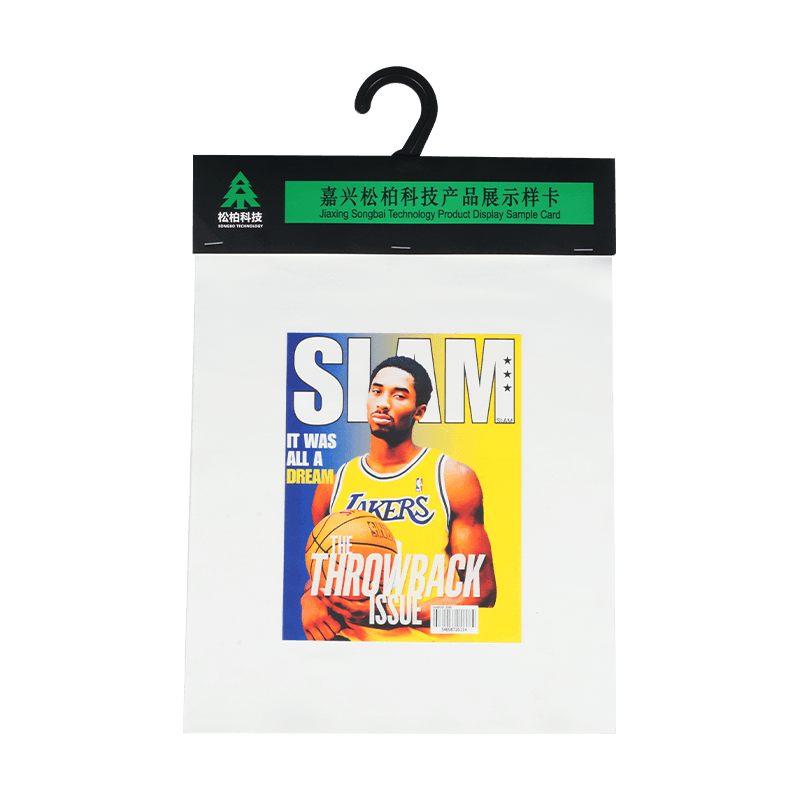
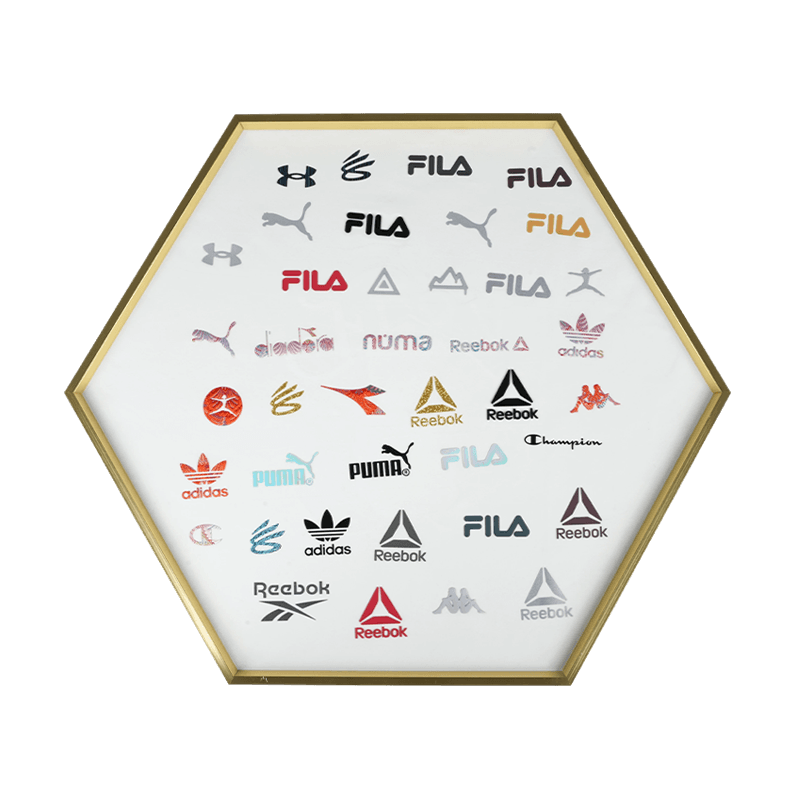
If your logo contains gradients, small text, or photographic details, a flat CMYK transfer is usually the most direct route. DTF and offset heat transfer printing both reproduce full color well, and offset versions tend to give sharp edges. These flat transfers suit T-shirts, tote bags, and other woven or knit fabrics, and they are a practical starting point for low- to mid-volume orders. You can review the production approach in full-color DTF and offset heat transfer prints.
 Full Color DTF Heat Transfer Labels ManufacturerFull color DTF heat transfer labels manufacturer for apparel brands. Custom logo transfers with vibrant colors, detailed graphics and exc...View Product →
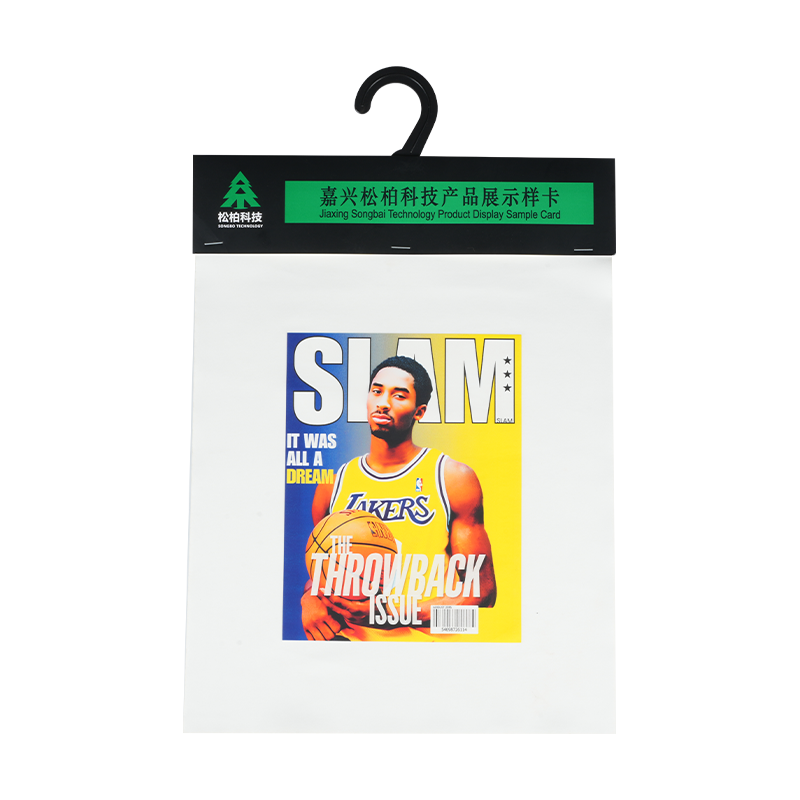
When a label needs to feel raised and soft, silicone is often the preferred material. A silicone heat transfer label can be molded as a patch, embossed logo, or flat overprint, and it generally handles stretch better than a conventional printed film. It appears frequently on sportswear, denim, caps, and bag webbing. Silicone is flexible and water-resistant, so it performs well in wash and outdoor conditions. The trade-off is tooling: most silicone shapes require a mold, which makes the option more economical at medium to high quantities. For apparel applications, 3D silicone heat transfer labels and HTL patches show the typical construction.
 3D Silicone Heat Transfer Labels Manufacturer | Custom Raised Silicone LogoCustom 3D silicone heat transfer labels with raised logo effects for apparel, sportswear and fashion brands. Durable, soft and washable s...View Product →
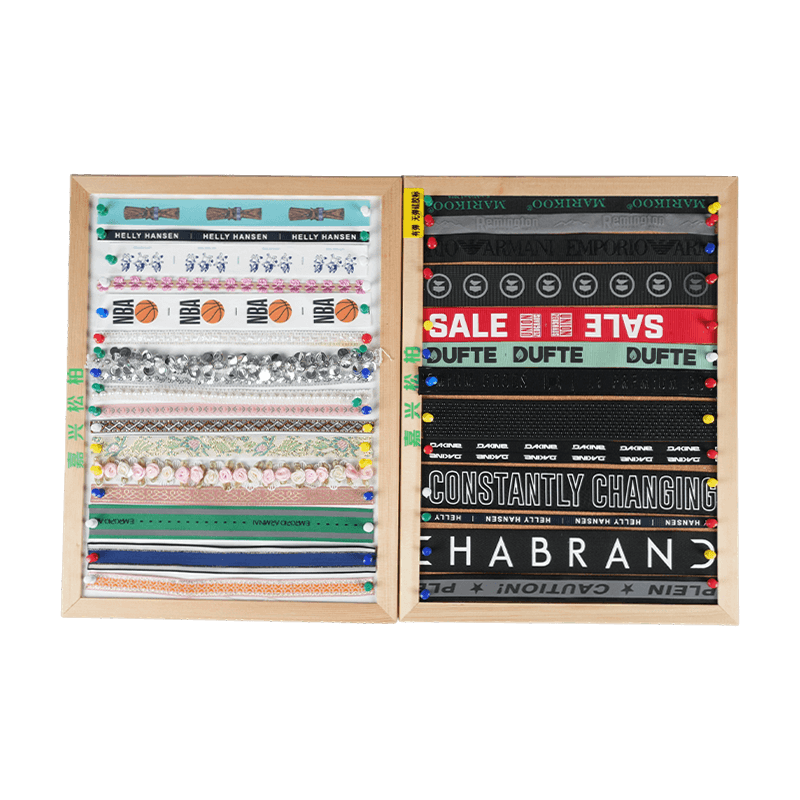
High-frequency heating, also called HF welding or HF embossing, uses radio-frequency energy to form materials such as TPU, PVC, and silicone into a thick, defined relief. It is used when a label needs pronounced depth, fine detail, or a solid three-dimensional look on jackets, luggage, shoe uppers, and heavy canvas goods. HF labels are usually more abrasion-resistant than flat films, but the process requires electrode tooling and longer setup time. 3D high-frequency embossing transfer is one representative option. For a broader outlook, see the future of high-frequency heat transfer labels.
 Wholesale OEM/ODM 3D High-Frequency Embossing Transfer Suppliers, FactorySongbai Technology Co., Ltd is top China Wholesale OEM/ODM 3D High-Frequency Embossing Transfer Suppliers and Factory,The 3D High-Frequen...View Product →
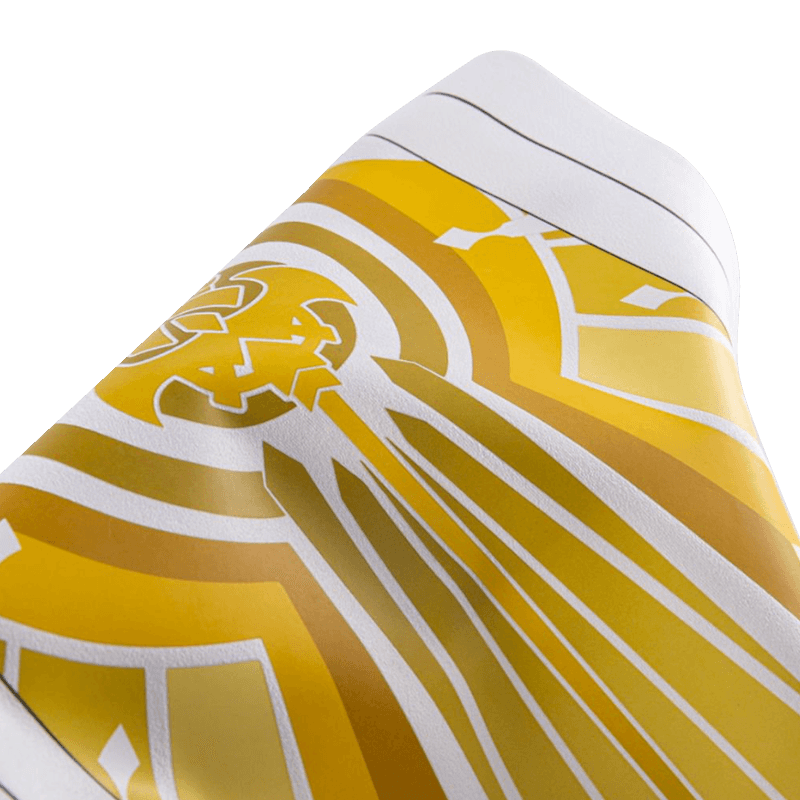
For decorative applications, flock transfers create a velvet-like texture, rhinestone transfers add sparkle for dancewear or fashion pieces, and laser-cut films remove excess adhesive so the transfer keeps an exact silhouette. These are usually decorative accents rather than primary branding labels. If your design needs a precise shape with no visible excess edge, laser-cut heat transfer film is worth testing.
| Label type | Best suited for | Typical appearance |
|---|---|---|
| CMYK / DTF / offset | Full-color graphics, small text | Flat, printed film |
| Silicone 3D | Sportswear, bags, molded logos | Raised, soft-touch |
| High-frequency embossing | Heavy detail, thick dimensional logos | High relief, defined edges |
| Flock / rhinestone / laser-cut | Fashion, athleisure, decorative accents | Velvet, sparkle, or custom-shaped edge |
A label that looks good in a product photo can peel after the first industrial wash. Judge a heat transfer label supplier on five points: wash resistance, adhesive compatibility, stretch, edge definition, and hand feel.
Most export-oriented buyers reference ISO 105-C06 for color fastness to washing, AATCC 135 for dimensional change, and sometimes ASTM D4966 for abrasion. Write the standard and the pass/fail limit into your specification rather than relying on the word “washable.” For more context on why this matters, read how heat transfer labels affect brand durability.
Do not choose a heat transfer label only because the artwork looks good on a screen. First identify the garment’s material, washing conditions, and comfort requirement, then select the label construction that can survive those conditions.
Silicone and high-frequency labels are common in this category because they follow stretch movement, resist sweat better than plain films, and leave no hard stitch line. For a seam-free feel, you can also specify a tagless printed size label made with the same heat-transfer principle.
Comfort and skin sensitivity are the priority. A seamless printed size label removes the itch of a stitched label. Flat, low-thickness transfers are usually better than thick molded patches on fine knits, while silicone can still work for small logos if the texture is soft enough.
These products are exposed to frequent rubbing against hands, zippers, and straps. HF labels and silicone patches tend to outperform flat printed films on abrasion because the material is thicker and more resilient. If the label sits on a strap or a handle, check edge-bond strength as well as the graphic surface.
The fewer assumptions you leave open, the fewer production surprises you get. A complete specification sheet should include:
Send this information to suppliers early. A factory that controls printing, mold making, and cutting in-house is usually better placed to answer process-related questions and keep samples consistent. The integrated OEM/ODM label manufacturer page explains how that kind of setup works.
Heat transfer label pricing has four main drivers: material, tooling, number of colors, and edge shape. Understanding these drivers helps you decide where to spend and where to save.
In terms of lead time, flat transfers can often be produced quickly for smaller quantities. Molded silicone and high-frequency labels take longer because the tool must be made and tested before the first production piece. If your launch date is tight, choose proven materials and request pre-production samples early.
Start with the end use. Write down the washing cycle, fabric, and comfort level, then select the label type and supplier against those conditions. A beautiful sample on plain cotton means little if your product is a water-repellent nylon jacket.
Request a sample on your actual fabric and test it through your actual wash programme. Approve the production sample, store a sealed reference, and then scale up. That sequence is the fastest way to avoid peeling, cracking, and stiffness after delivery.

[email protected]

+86-18967386982

Manager Yu

3rd Floor, Building 15, Xinhua Road, Baibu Town, Haiyan County, Jiaxing City, Zhejiang Province, China