+86-18967386982

 English
 Español
 عربى
عربى
Home / News / Industry News / Silicone 3D/2D Labels Guide: Material Options, Production Methods, and Buying Tips
Industry News


A product developer is comparing heat transfer patches for an upcoming jacket line. The design brief asks for a raised logo on the chest that stays flexible after repeated washing, but the developer also needs to control mould costs and lead time. Silicone 3D/2D labels often provide the cleanest answer because they can be moulded or transferred with a precise thickness while keeping the soft, rubbery feel that makes a brand accessory feel premium. The real decision is not whether to use silicone, but which construction and finish match the design, the fabric, and the order volume. This guide sorts through the material and process choices so you can pick with more confidence.
Silicone 3D/2D labels are brand identifiers made with silicone material and produced as either a flat print or a raised, dimensional design. In a 2D label, the surface is essentially smooth, with the logo printed or bonded in a single layer. A 3D label has a visible structure or relief, often achieved through compression moulding, injection, or heat transfer onto a pre-moulded patch. These labels are commonly used on garments, bags, outdoor gear, children's clothing, and even toothbrushes where a soft, flexible, and tactile finish is required.
The visual difference is simple to understand: 2D labels look like a print, while 3D labels look like a sculpted patch. The functional difference is more important. A 3D label can add a higher-profile logo that catches light and gives the item a distinctive brand character. A 2D label keeps the profile low, which works well on thin fabrics or curved surfaces where a bulky patch might feel uncomfortable.
Silicone labels hold up well in real-world conditions. They resist abrasion, stay flexible at low temperatures, and recover their shape after being stretched. Compared with woven labels, they deliver a more pronounced texture. Compared with PVC, they feel softer and are less prone to becoming brittle over time.
Heat transfer silicone labels are often chosen because they can be placed precisely and leave no sewing marks on the inside of a garment. For knitwear or woven fabrics, a transfer label reduces the chance of needle damage and gives the brand a cleaner finish. The care routine matters. Heat transfer label durability depends on the adhesive system and the intended wash temperature. If you need a label to survive long-term laundering, a moulded silicone patch may be more predictable. If you need a label that follows the stretch of the fabric, heat transfer is often the better choice.
PVC and silicone are both used in 3D/2D label production, but they behave differently in terms of softness, aging, and environmental impact. Silicone generally offers a better balance of tactile quality and durability, while PVC can carry a lower initial cost and a different set of tactile properties.
| Property | Silicone | PVC |
|---|---|---|
| Softness | Softer and more flexible over time | Firmer and slightly harder |
| Wash resistance | Strong resistance to heat and repeated washing | Good but can soften at high wash temperatures |
| Aging | Resists hardening and yellowing | May become brittle or discolored after long exposure |
| Surface finish | Matte or premium rubbery feel | Glossier and more plasticky |
| Lead time | May be slightly longer because of mould and curing steps | Often faster for small batches |
If the product will be sold in a market where low environmental impact is required, silicone is generally the more accepted choice. If cost is the dominant factor and the label will not face extreme wash conditions, PVC can still be a pragmatic option.
Three production methods cover most silicone label orders. The right method depends on the desired relief, the placement surface, and the quantity per style.
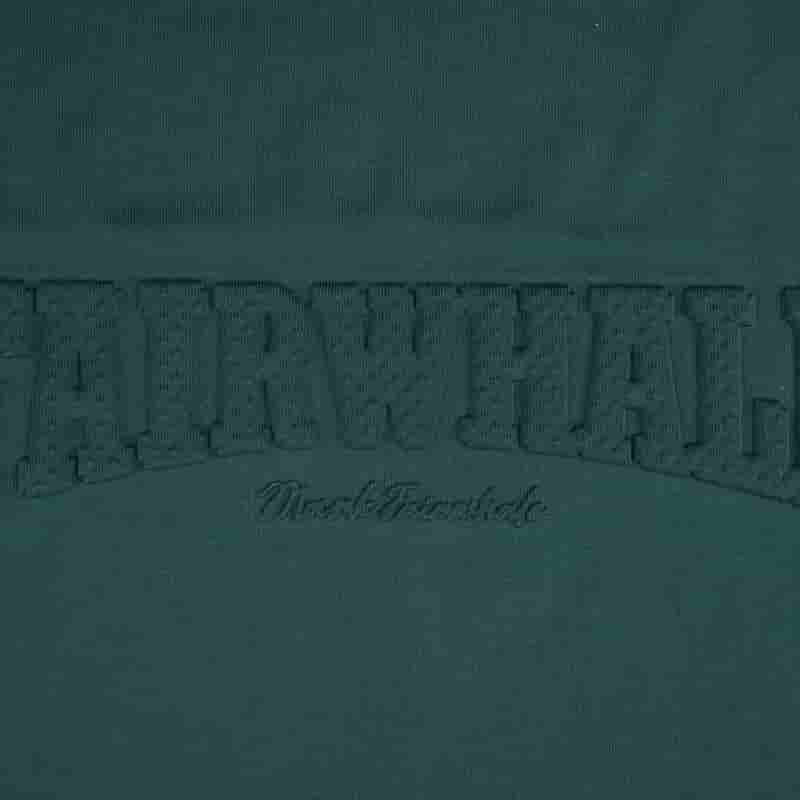
Moulded embossed logos produce the highest relief and the most durable shape. They are often used when the label needs to stand alone as a patch or when the 3D effect is the main design element. The mould determines the repeatability, so this method suits orders where the design will not change frequently. For this construction, we offer 3D silicone embossed logo options that can be matched to your brand.
 3D Silicone Embossed Logo for Raised BrandingCreate a premium raised 3D effect on garments and accessories. Made from soft, durable silicone, these logos offer excellent flexibility and wash resistance. Ideal for brands seeking a modern, tactile look, with full customization options for color, shape, and finish.View Product →
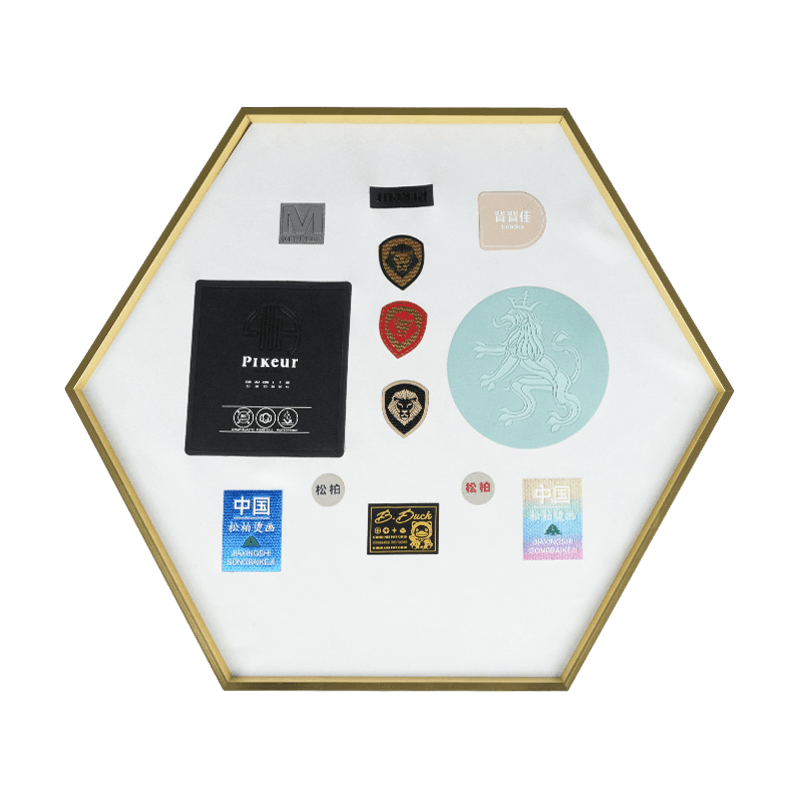
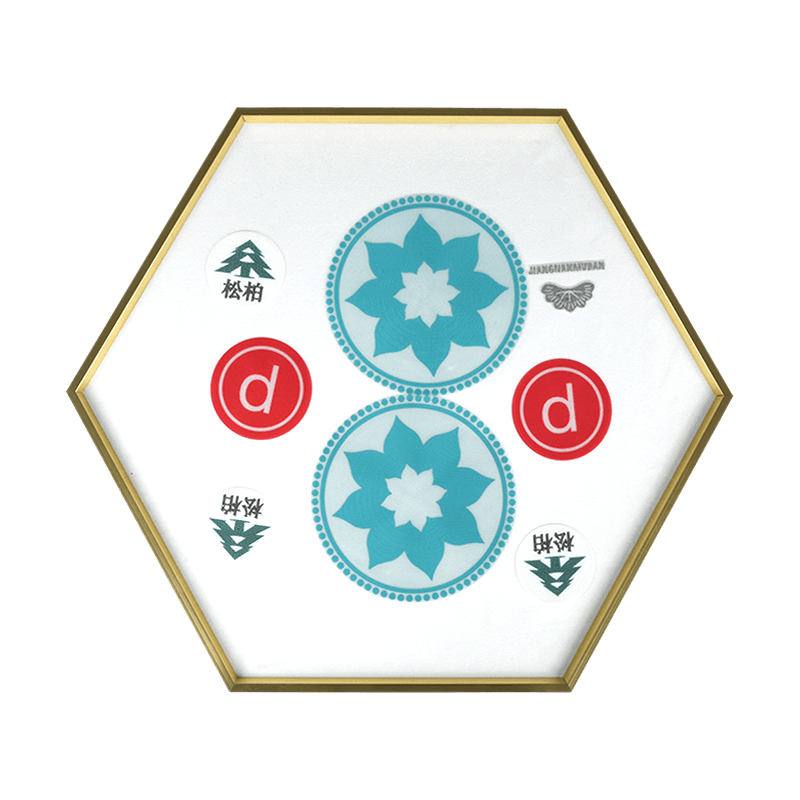
Heat transfer HTL patches combine a pre-moulded silicone patch with a heat-sensitive adhesive. They are placed with a heat press and do not require sewing. This method is efficient for reorders and is often used when multiple small logos must be placed across several garments. Our 3D silicone heat transfer labels (HTL patches for apparel) are designed for consistent placement and a soft touch on the fabric.
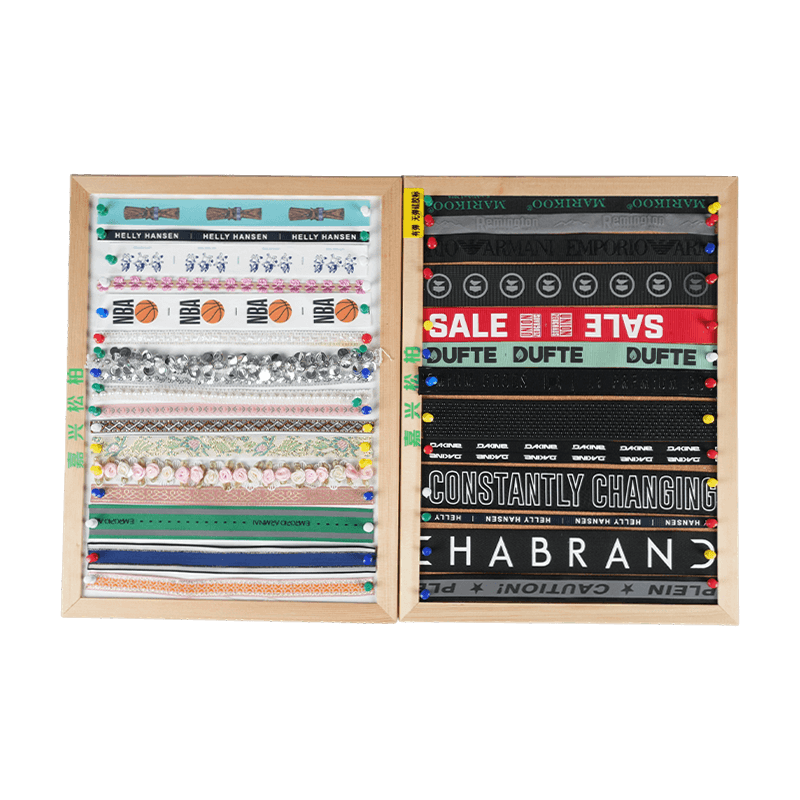 3D Silicone Heat Transfer Labels for Seamless ApplicationApply a dimensional silicone logo without sewing. These heat-transfer labels provide a soft, comfortable feel and strong adhesion, withstanding repeated washing. Perfect for sportswear and T-shirts, offering a sleek branding solution that stays in place.View Product →
Flat labels are the closest to a 2D construction. They offer a low-profile print that can be produced in a very thin form, making them suitable for light fabrics or inner linings. They also work on curved surfaces where a thicker patch would create an uneven finish. A high-quality silicone flat label can be used as a branding element that does not interfere with the garment drape.
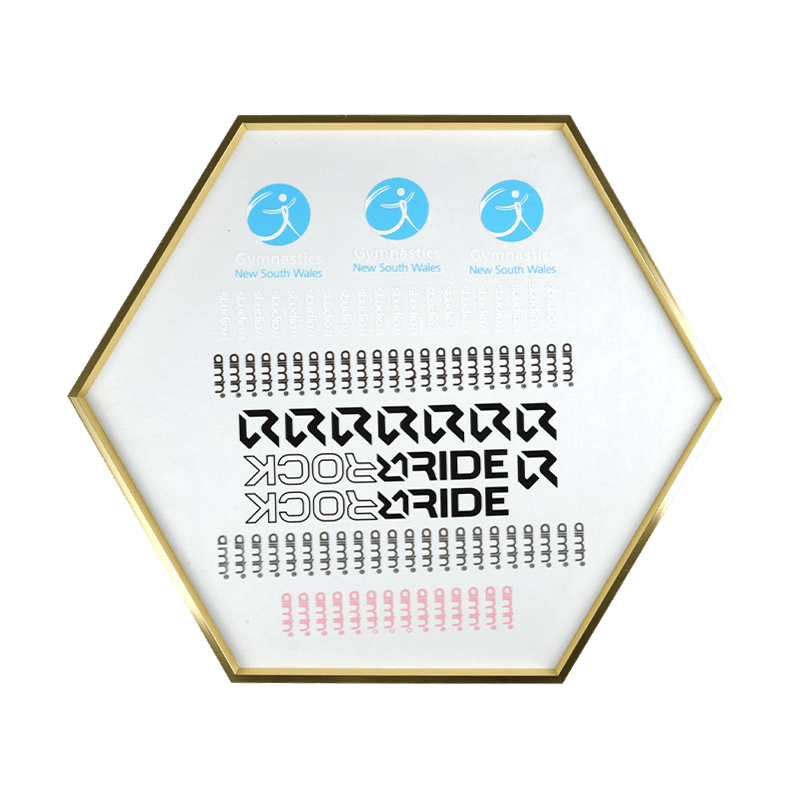 High-Quality Silicone Flat Label for Clean FinishesA smooth, low-profile branding option that works well on lightweight or curved fabrics. These flat labels offer a minimalist appearance with excellent durability and a skin-friendly touch. Customize sizes, colors, and attachment methods for a professional finish that doesn't affect garment drape.View Product →
Some suppliers also offer silicone moulding for complete accessories, such as keychains or hangers. These are usually produced through injection moulding and are closer to a promotional item than a standard label. If you need a full accessory or a hanging charm, the same silicone material family can be applied, but the process and cost structure differ from label production.
Ordering silicone labels is straightforward once the design is fixed, but a few variables can affect the final result. The following points are worth confirming before placing an order:
For a garment or accessory project, you also need to consider how the label affects the sewing process. A factory that treats the label as a final accessory rather than a secondary component will often produce a cleaner result. In our production process, we keep the production capabilities under our own control so that the label quality and short lead times are not dependent on outside subcontractors.
Silicone 3D/2D labels are a strong choice when the brand needs a dimensional logo that remains soft, durable, and comfortable against the skin. The material choice between silicone and PVC should follow the wash requirements and the environmental expectations of the market, while the production method should follow the design and volume. Start by defining the desired relief, then confirm the fabric compatibility and wash tests, and only then move to the mould and cost stage. That process usually leads to a smoother sampling cycle and a final product that matches what the brand wants.

[email protected]

+86-18967386982

Manager Yu

3rd Floor, Building 15, Xinhua Road, Baibu Town, Haiyan County, Jiaxing City, Zhejiang Province, China