+86-18967386982

 English
 Español
 عربى
عربى
Home / News / Industry News / Tagless Size Labels vs. Sewn-in Woven Labels: Comfort, Wash Fastness & Branding
Industry News


Content
A size label is small, but it sits against the skin every time a garment is worn, and it carries the information that keeps a product compliant on the shelf. When brands and manufacturers plan a neckline for a T-shirt, a hoodie, a set of children's pyjamas or an outdoor sun-protection top, they usually end up comparing two options: tagless size labels, which are printed or transferred directly onto the fabric with no separate piece of material, and sewn-in woven labels, the traditional jacquard or damask label stitched into a seam.
The decision is rarely about appearance alone. It is a three-way trade-off between skin comfort, wash fastness and brand aesthetics, and each of those factors pulls in a slightly different direction. This guide walks through the practical differences, the test conditions that matter, and the product categories where one option clearly outperforms the other.
Short answer: tagless labels lead on skin comfort and interior aesthetics, while woven labels still lead on tactile premium feel and tolerance for the harshest laundering. The right choice depends on the garment, the wearer and the wash cycle it will face.
Before comparing performance, it helps to be precise about construction, because the two label families fail in completely different ways.
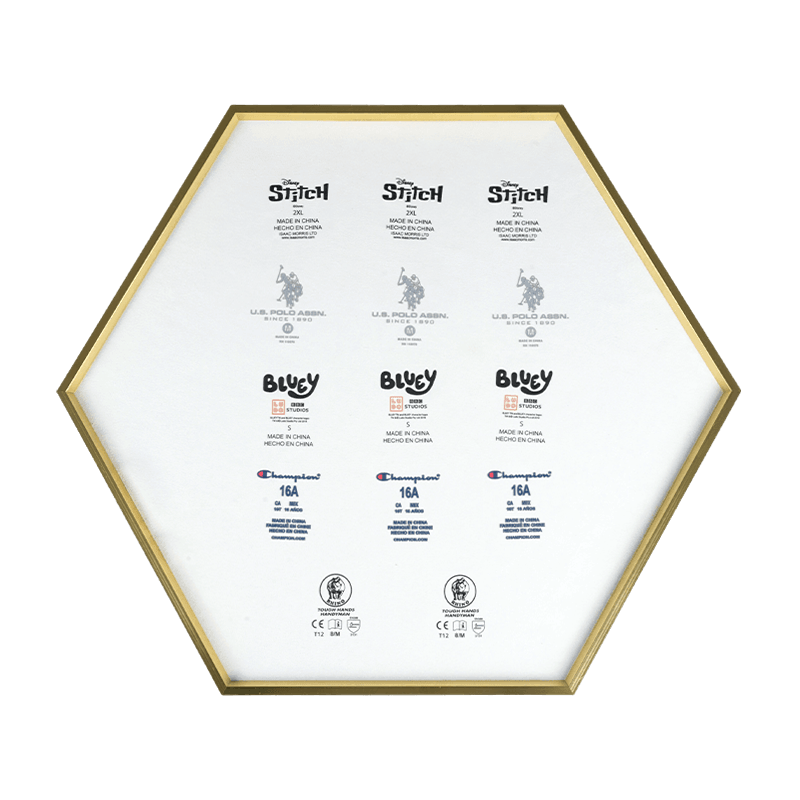
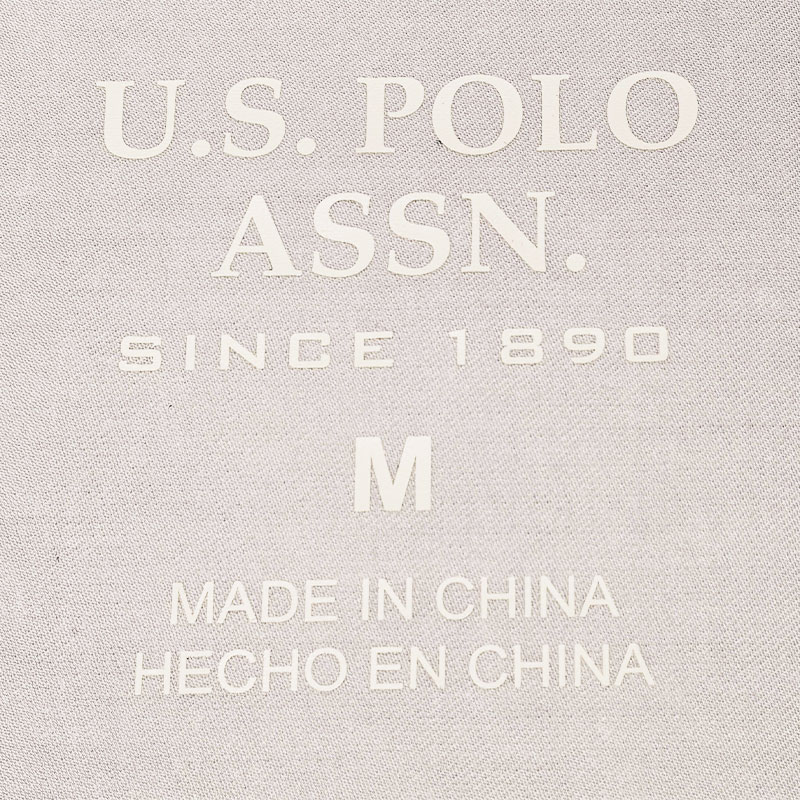
A tagless size label is applied directly to the garment fabric. The size, fibre content, country of origin and care symbols are printed onto a transfer film, then bonded to the inside back neck with controlled heat and pressure. Depending on the construction, the finished result can be an ultra-thin offset print, a soft silicone or TPU badge, or a raised three-dimensional element. There is no folded edge, no sewing thread and no separate substrate to rub against the neck.
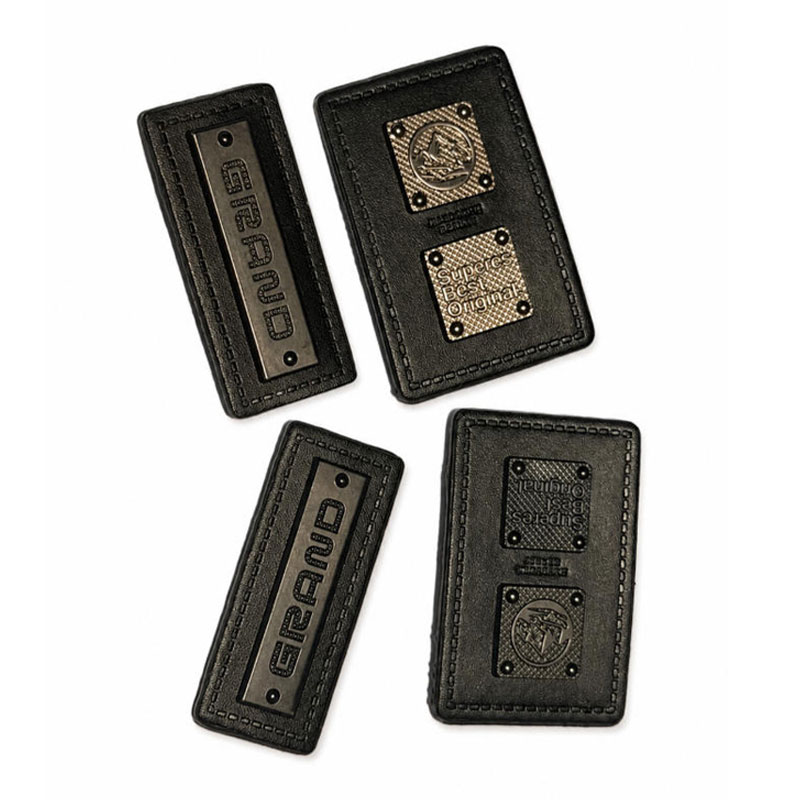
A woven label starts life as a woven fabric tape. Yarns are interlaced into letters, logos and size information on a jacquard loom, the tape is cut and folded, and the finished label is stitched into a seam or the back neckline. Because it is a physical piece of textile, it has a visible texture, a measurable thickness and defined edges.
Skin comfort is the reason tagless construction grew so quickly in children's wear, underwear and performance apparel. A woven label is sewn in with a fold, which creates corners, two cut ends and a line of stitching. On a sensitive wearer, or on a garment worn for hours during sport, that mechanical irritation is often noticed before anything else.
For brands that need the softest possible neckline result, a low-profile printed size label is usually the starting point, and thickness can be tuned per fabric type.
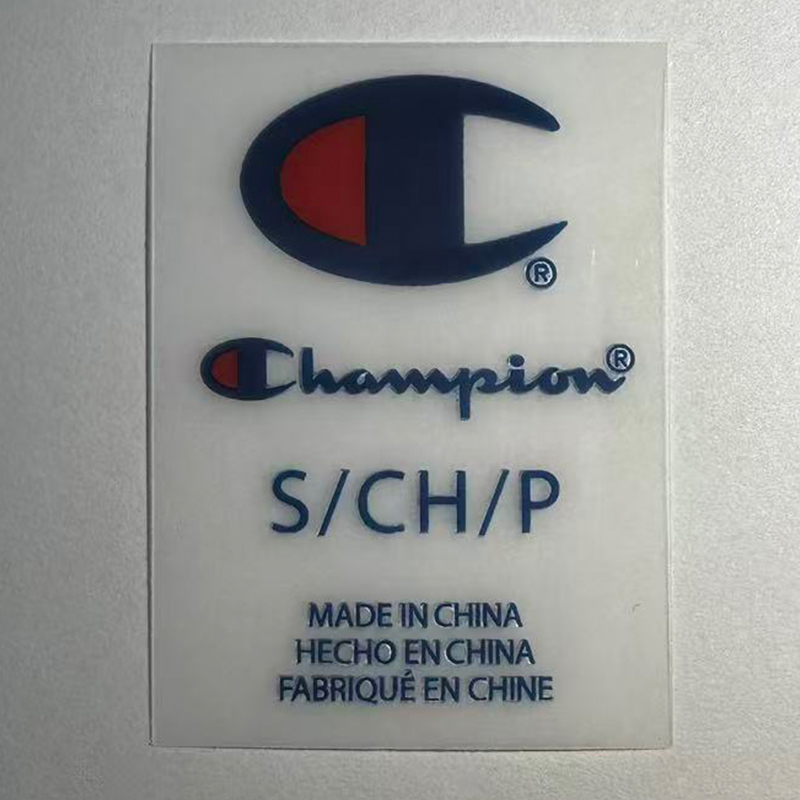 Seamless Printed Size Labels for Tagless Garment BrandingUltra-thin heat-transfer size labels applied directly to fabric, offering soft neckline comfort and durable printed branding for infant, sportswear, and intimate apparel.View Product →
Wash fastness is where the two technologies diverge most sharply. A woven label is a textile, so it survives washing roughly as well as the garment around it, provided the sewing thread holds and the woven yarn does not fray. A tagless label survives as long as its bond to the fabric and its ink system do. That makes performance highly dependent on the film chemistry, the curing profile, the fabric blend and the wash programme.
| Performance factor | Tagless size label | Sewn-in woven label |
|---|---|---|
| Skin contact profile | No edges or thread | Folded edges and stitching |
| Domestic wash at 40 °C | Typically 40 to 60 cycles with a suitable film | Label usually outlasts the garment |
| Failure mode | Edge lifting, cracking or fading after under-curing | Fraying, curling or colour loss on printed info |
| High-temperature or industrial wash | Requires a dedicated high-durability film | Generally robust |
| Sewing labour | None | Required for every piece |
| Tooling and set-up | Print plates, films and heat-press settings | Loom set-up and weaving |
When you evaluate a supplier, ask which standard the durability claim is based on and at what temperature. Household reference programmes such as ISO 6330 at 40 °C or 60 °C, plus tumble drying and chlorine exposure, separate a genuinely wash-resistant transfer from a decorative one. Testing on the actual fabric blend matters too, because a film that bonds perfectly to cotton may behave differently on elastane-rich knitwear or coated outdoor shells.
Woven labels communicate craft. The raised yarn, the sheen of polyester against the matte of cotton, the depth of a multi-colour jacquard logo: these are textural cues that consumers read as premium. Fashion houses that want the inside of a jacket to look as considered as the outside often keep a woven label for exactly that reason. Woven labels also photograph well, which matters for resale, social content and unboxing moments.
Tagless labels communicate modernity and cleanliness. Full-colour graphics, gradients, fine typography, size runs, care symbols and machine-readable codes can all be reproduced on a surface with no visible stitching. That suits minimal athleisure, seamless underwear, swimwear and direct-to-consumer basics, where an uninterrupted interior is part of the design language.
A woven label is limited by weave resolution: very small text and complex multi-language care blocks become difficult or impossible to weave cleanly. A printed or transferred label is limited mostly by artwork resolution, so it can carry dense care instructions, multiple languages, a barcode or a QR code without enlarging the label footprint.
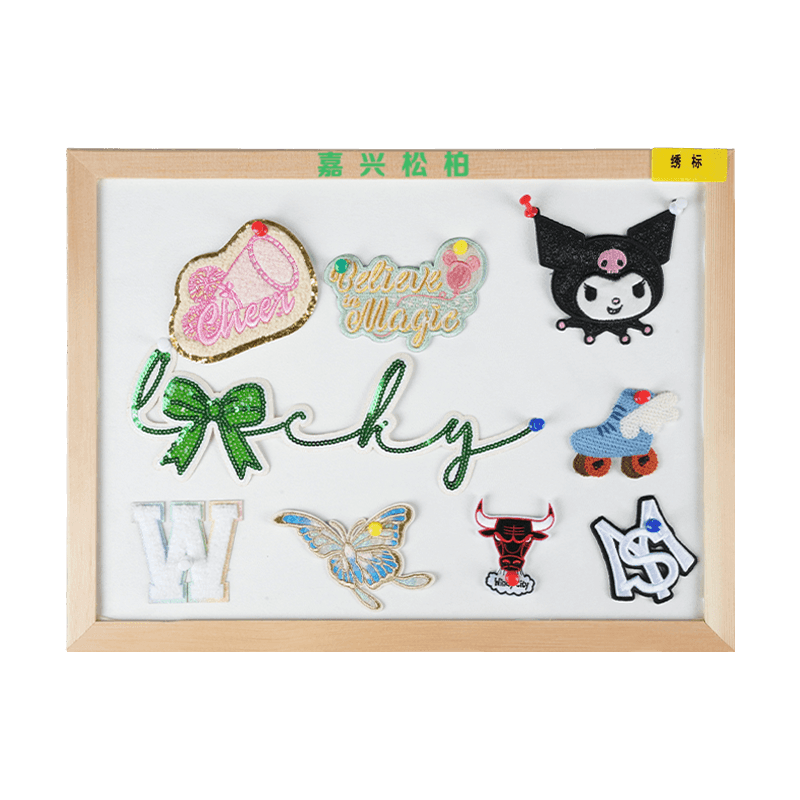 Custom Woven Labels for Apparel Branding and IdentificationPolyester woven labels deliver premium texture, color stability, and sewn-on brand identity for fashion, sportswear, and premium garments needing durable logo and care details.View Product →
In practice, most product ranges use both technologies, assigned by category rather than by preference.
Children's ranges in particular benefit from combining a soft printed size mark at the neck with an optional woven brand label lower in the side seam, so comfort and brand presence stop competing with each other.
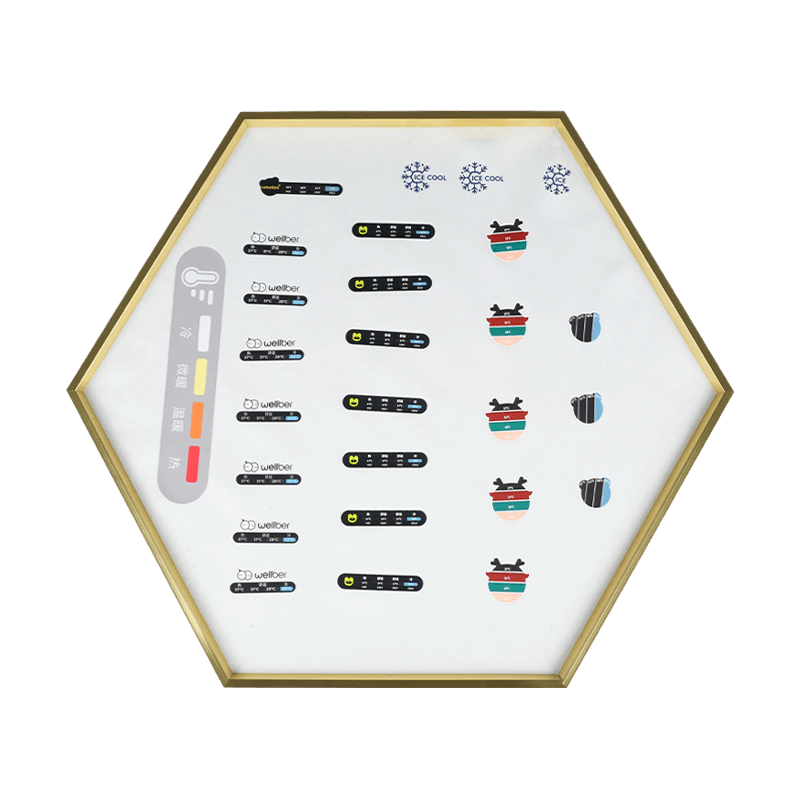 Thermochromic Seamless Childwear Tags for Temperature-Aware Baby ClothingStitch-free heat-transfer tags combine soft, zero-irritation comfort with thermochromic color changes that visually indicate temperature for baby and children’s apparel.View Product →
The cost structures are not directly comparable, which is why a simple unit price comparison often misleads. Woven labels carry a per-piece material cost plus sewing labour and handling. Tagless labels remove sewing entirely but introduce print plates, transfer film, and a heat-press step that must be scheduled and monitored, with rejects appearing at the application stage rather than at the loom.
For large volume basics, the labour saving from eliminating sewing is usually the decisive factor. For low-volume premium lines with complex woven artwork, the woven route can still be more economical overall.
Buyers who want to understand how a supplier controls bonding quality, materials and finishing can review the production background behind the printing process itself, which explains how each step from raw material to finished label is managed in house. It is also worth reading up on how heat transfer labels improve brand durability before finalising a specification, because the film choice made at sampling stage usually determines the warranty you can offer at retail.
With a correctly matched film and a properly controlled cure, a tagless label comfortably survives normal domestic washing at 40 °C. For industrial laundering or repeated high-temperature cycles, a woven label remains the more forgiving option unless a dedicated high-durability transfer is specified.
Yes. Printing is limited mainly by artwork resolution rather than weave density, so dense care blocks, several languages, size runs and machine-readable codes can be combined on one surface without enlarging the area.
Tagless construction is generally the better default for children's wear because it removes edges and stitching from the neckline. A small woven brand label can still be placed in a side seam where it does not touch the neck or shoulders.
No. Irritation usually comes from a poor fold, a stiff substrate, sharp cut ends or a label positioned over the spine seam. Softer yarns, a wrapped or sealed edge and better placement solve most complaints.
Yes, and many do. A printed size and care mark at the neck combines comfort with information capacity, while a woven brand label elsewhere adds texture and perceived value.
For most apparel, specifying performance after 40 to 60 domestic cycles at 40 °C is a reasonable baseline. Workwear, hospitality uniforms and rental programmes should be tested against the actual industrial wash protocol used in service.
Tagless size labels and sewn-in woven labels are not competing answers to the same question. Tagless construction answers a comfort and efficiency question: no edges against the skin, no sewing labour, and a printable surface that can carry dense information and full-colour graphics. Woven labels answer a perception and resilience question: visible texture, heritage appeal and dependable performance through heavy laundering.
The most reliable way to decide is to define the wearer, the wash cycle and the information load first, then select the label format that satisfies all three without compromise. Sample both options on the real fabric, test them under the real wash programme, and let the results settle the specification.

[email protected]

+86-18967386982

Manager Yu

3rd Floor, Building 15, Xinhua Road, Baibu Town, Haiyan County, Jiaxing City, Zhejiang Province, China