+86-18967386982

 English
 Español
 عربى
عربى
Home / News / Industry News / Toothbrush Embroidery: How It Works, Where It’s Used, and How to Scale It
Industry News


Content
Toothbrush embroidery is a hand-finishing technique that turns ordinary stitches into a soft, raised surface that resembles tufted yarn. It is not a way to embroider an actual toothbrush; it is a way to use a toothbrush as a finishing tool on fabric. If you work in apparel, accessories, or custom branding, the texture is attractive, but you need to understand both the craft and its production limits.
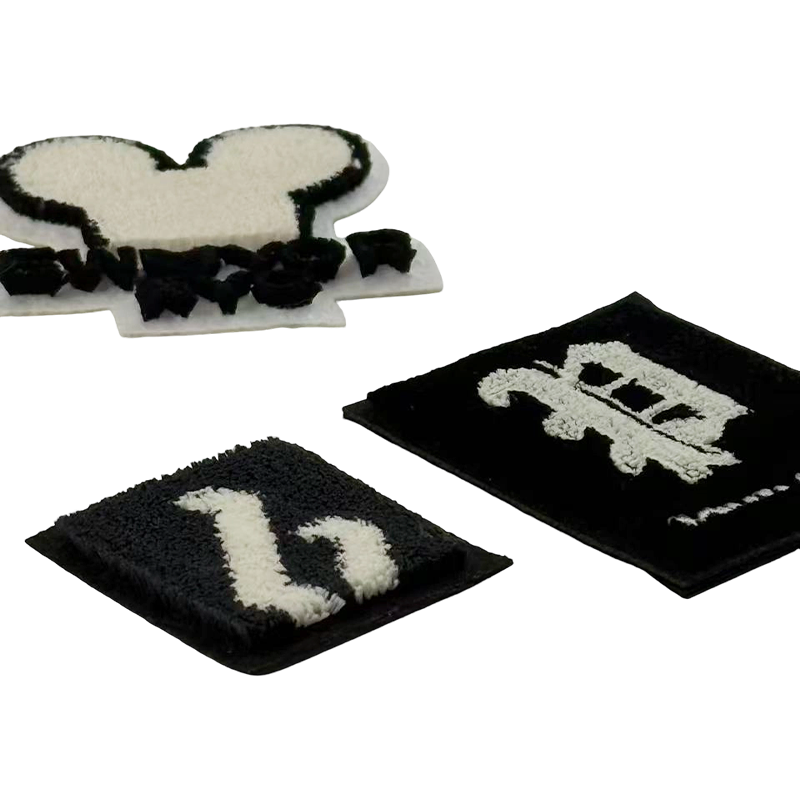
Toothbrush embroidery starts with dense stitching applied directly to fabric. Wool, acrylic, or cotton yarn is commonly used because the fibres fluff easily. After the pattern is complete, the stitcher brushes the surface with a clean, dry toothbrush. The bristles open up the yarn fibres and create a plush nap that looks like a miniature carpet. Some people confuse it with tufting or punch needle embroidery because the finished surface looks similar. However, toothbrush embroidery starts from the front of the fabric and uses brushing rather than a punch tool. Despite the name, the toothbrush is not embroidered; it is used only as a tool to raise and soften the embroidered area.
To make a toothbrush embroidery piece, the stitcher follows a simple sequence that demands patience and an even hand.
The final appearance depends on the density of the stitching, the type of yarn, and the direction of the brushing. Denser stitching produces a fuller pile, while looser stitching creates a flatter result.
Toothbrush embroidery is most common in handcrafted textile projects. The raising step takes time, so it works best for small motifs and decorative details rather than large surfaces.
The same technique also appears on felt accessories, hair accessories, and small ornamental items. In each case, the brushed pile gives the finished piece a handmade signature that consumers often connect with craftsmanship.
Handmade toothbrush embroidery has a strong craft appeal, but it creates practical problems for commercial production. The first issue is consistency: no two stitched pieces come out exactly alike. The second issue is washability: brushed yarn can flatten, tangle, or shed after repeated washing. The third issue is speed: a dense pocket-size patch can take hours to finish, so the cost per unit quickly becomes high. A small custom batch may be acceptable, but a retail order of hundreds of garments will quickly expose the limits.
These limitations matter when you want to use the look on branded apparel or retail products. Instead of trying to copy a hand process, manufacturers use heat transfer and moulded labels to reproduce the tactile quality with repeatable results.
Several industrial processes can imitate the raised, fuzzy appearance of toothbrush embroidery. The right one depends on the size of the design, the base fabric, and the washing conditions the product will face.
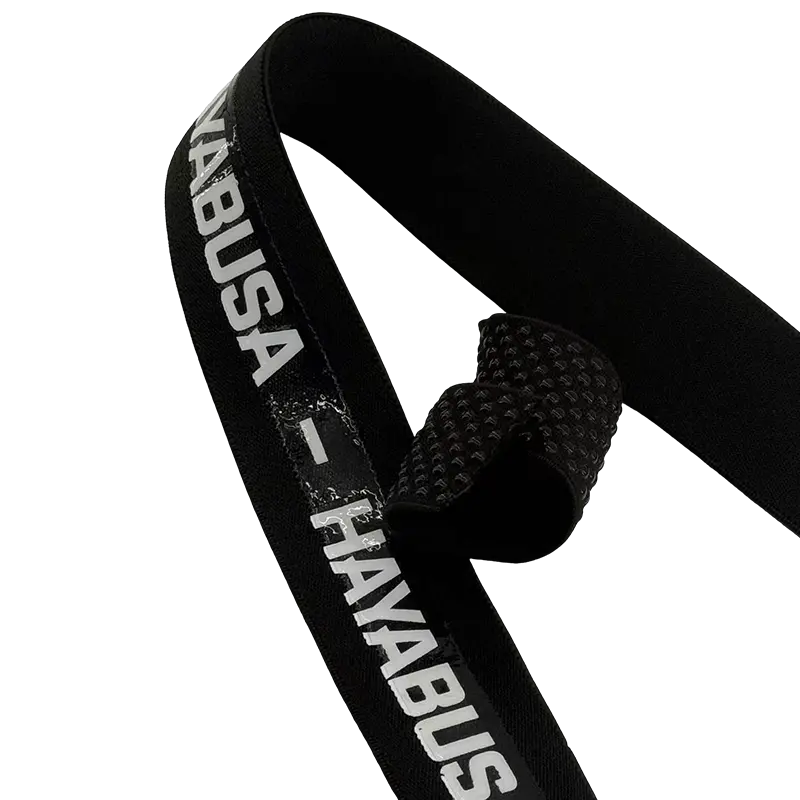
3D silicone patches use moulded silicone to create a raised, soft design that resembles a hand-brushed motif but with more control. After the mould is ready, every patch has the same height, edge shape, and density. Silicone is also resistant to washing, which makes these labels suitable for garments that need repeated cleaning.
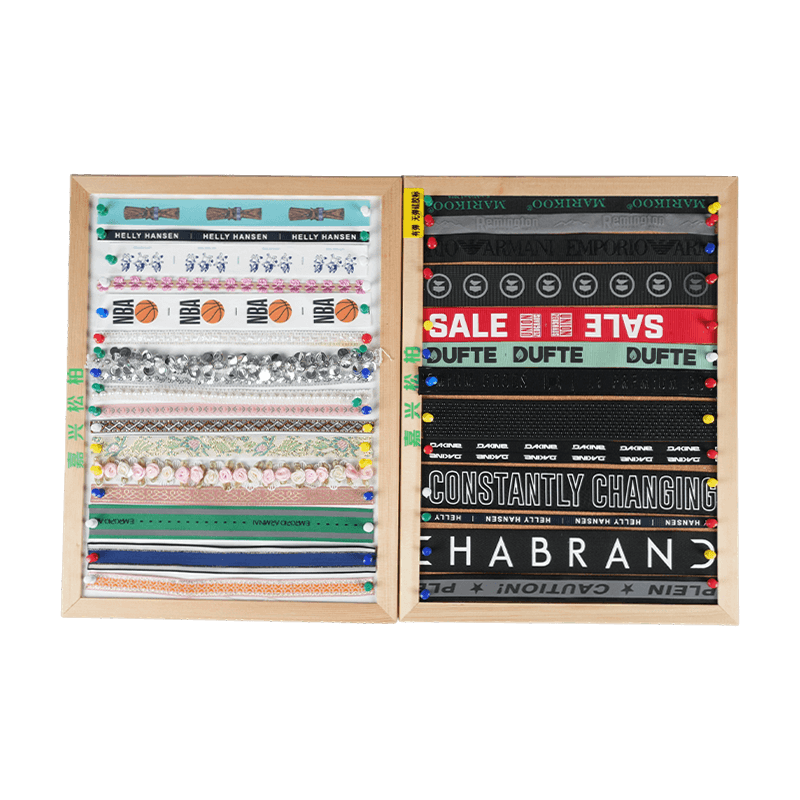 Custom 3D Silicone Heat Transfer Labels for Apparel BrandingThese silicone labels create a raised, dimensional logo with a soft touch and strong wash resistance. They are highlighted here as a premium alternative to sewn labels for modern sportswear and fashion garments.View Product →
Flock transfer is a different route to a soft surface. Short fibres are bonded onto fabric or a carrier film through an adhesive, creating a velvet-like pile. Flocking can copy the fuzzy texture of toothbrush embroidery without the raised yarn mass, and it can cover larger areas in a shorter time. It is often used for brand logos, sportswear accents, and inner labelling.
 Flock Transfers with Velvet-Like Soft Texture for Fabric DecorationFlock transfers offer a fuzzy, raised surface through bonded short fibres, providing a soft hand feel and vivid colors. They are ideal for larger logos, sportswear accents, and inner labelling.View Product →
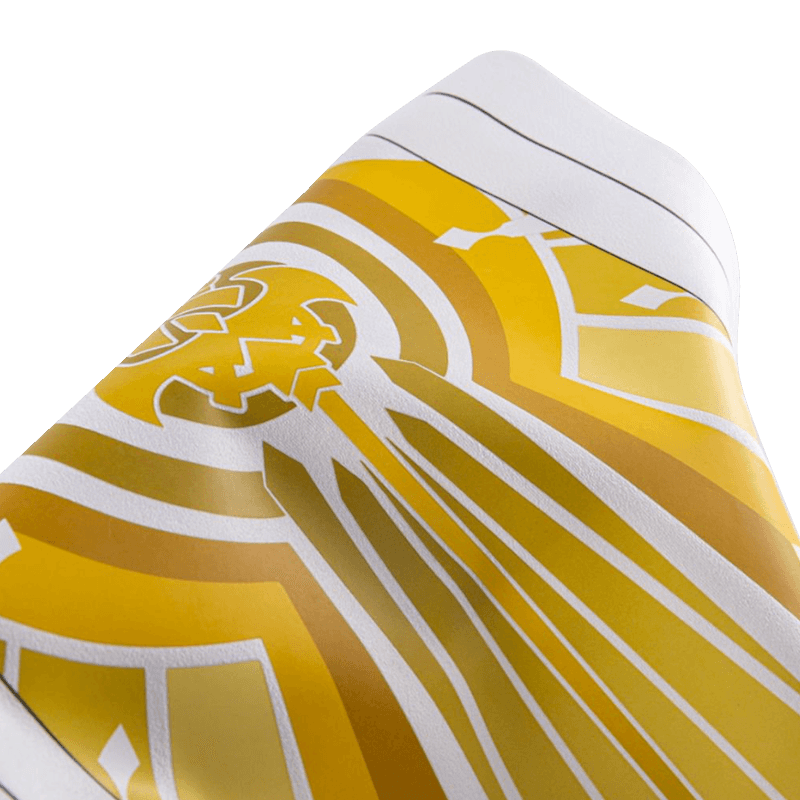
High-frequency embossing is another option when the design needs sharp edges and a deeper three-dimensional profile. The process uses pressure and radio-frequency energy to form a relief in synthetic material, so the design stands out clearly from the background. It works best for smaller logos, simple shapes, and decorative details.
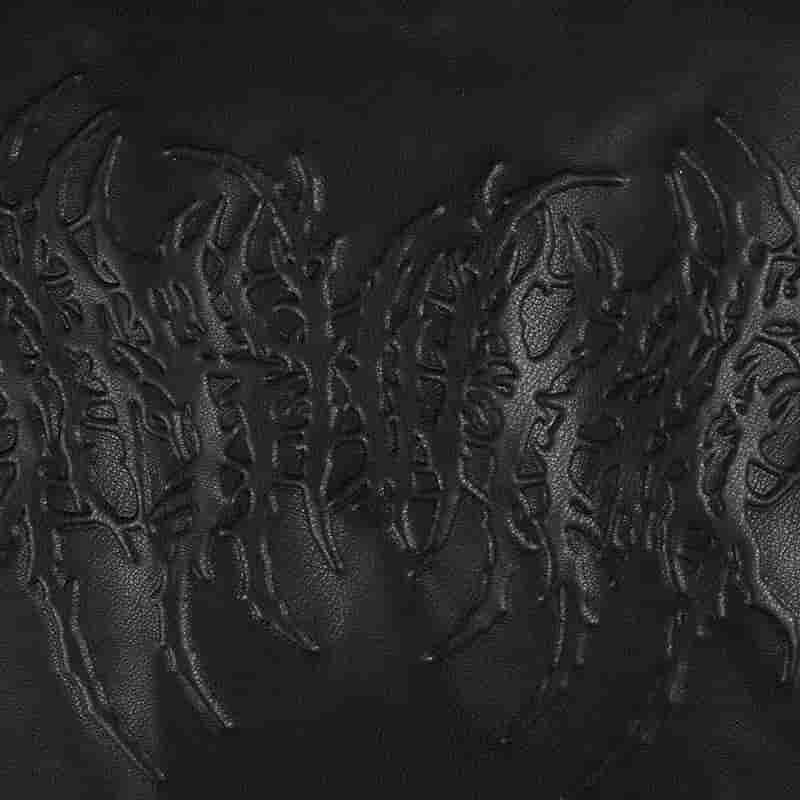 3D High-Frequency Embossing Transfer with TPU for Sharp Relief DetailsThis transfer uses high-frequency molding to produce sharp, deep 3D embossed logos on TPU. It combines a soft, flexible feel with waterproof and wash-resistant durability, suitable for detailed decorative branding.View Product →
The table below summarises the main differences.
| Feature | Handmade Toothbrush Embroidery | 3D Silicone Patch | Flock Transfer | High-Frequency Embossing |
|---|---|---|---|---|
| Texture | Soft, fluffy, irregular | Soft, elastic, uniform | Velvet-like, smooth | Raised, smooth or textured |
| Consistency | Variable | High | High | High |
| Wash resistance | Low to medium | High | Medium to high | High |
| Production speed | Slow | Fast after moulding | Fast | Fast after tooling |
| Best for | Art pieces, custom gifts | Apparel labels, patches | Sportswear, inner labels | Logos, small decorative details |
The right choice depends first on the base fabric. Silicone and high-frequency labels require a surface that can handle heat and pressure, while flocking is more forgiving but still needs a clean, stable area. If you are evaluating production partners, the factory overview explains why a supplier that controls the full process can make these decisions easier.
Then consider how the product will be washed. A baby garment or sports uniform needs a label that survives frequent washing without losing its shape. Design complexity also matters: handmade toothbrush embroidery works best with simple shapes, while moulded silicone can handle finer details like small text. After narrowing down the texture and placement, request samples and test them against your own washing cycle before committing to bulk production. A quick review of a heat transfer durability guide will help you ask the right questions.
Toothbrush embroidery will probably remain a custom handcraft, and that is part of its appeal. But if you want the same plush, dimensional feeling on a production label, the solution is not to copy the hand process; it is to select a technique that gives the same effect with repeatable quality. Silicone patches, flock transfers, and high-frequency embossing all offer different ways to reach that goal.

[email protected]

+86-18967386982

Manager Yu

3rd Floor, Building 15, Xinhua Road, Baibu Town, Haiyan County, Jiaxing City, Zhejiang Province, China