+86-18967386982

 English
 Español
 عربى
عربى
Home / News / Industry News / The Complete Tagless Size Label Guide: Comfort, Durability, and Compliance
Industry News


Content
When a customer pulls a garment from the hanger, the neck label is often the first feature they touch. A stiff woven tag can irritate skin, distort the collar, and even trigger a return. The tagless size label solves those problems by replacing the traditional sewn-in tag with a printed size and care mark directly on the fabric. If comfort, wash durability, and lower handling costs matter to your brand, this is a label format worth standardising.
A tagless size label is a printed mark placed inside the garment instead of a separate woven or printed label that is stitched into the seam. The size, care instructions, fiber content, country of origin, and sometimes the brand logo are transferred directly onto the fabric using heat transfer or direct printing technology.
Because the printed surface is flush with the garment, there is no extra fabric layer, no protruding edge, and no extra thread knot. That changes how the label behaves during washing, wearing, and retail presentation. The result is an integrated label system that many apparel companies adopt as a standard part of their product specification.
The decision to move from sewn-in tags to tagless size labels is usually driven by measurable production and quality benefits rather than style alone.
The usual print area for a tagless size label falls between 18 mm and 25 mm in height and between 35 mm and 55 mm in width. The exact size depends on the neck opening, the weight of the fabric, and how much information needs to fit. A simple size mark can be much smaller, while a full care panel with multiple symbols requires more space.
| Garment Type | Typical Print Area | Suggested Placement |
|---|---|---|
| T-shirts and adult casualwear | 20 mm x 45 mm | Centered inside the back neck |
| Childrenswear | 18 mm x 35 mm | Centered below the collar seam |
| Activewear and performance wear | 22 mm x 50 mm | Inside back neck or side seam |
Placement matters as much as size. If the tag is too close to the outer stitch, it can buckle during application. If it is too far down, customers may not find it easily. Always test a physical sample inside the collar before committing to a production run.
The performance of a tagless size label depends on how well the transfer material bonds with the fabric. A label that is printed in the wrong medium will crack, fade, or peel after a few wash cycles.
For softness and stretch, silicone and polyurethane-based transfers are common. They move with the fabric and feel smooth against the skin. For full-colour, high-detail designs, DTF and offset heat transfers allow you to print fine text and logos with good tonal range. If the garment needs a raised or textured look, high-frequency TPU and 3D embossed transfers provide a distinct tactile effect. Flock transfers are useful when you want a velvety, plush finish without adding a separate label layer.
Direct printing on the fabric itself is another route, especially for natural fibres like cotton. However, direct print performance depends on the dye range and the washing method, so it is always safer to test on the actual fabric before approving bulk production.
Buying a tagless size label is not just about choosing a print file. There are a few operational details that can affect cost and quality.
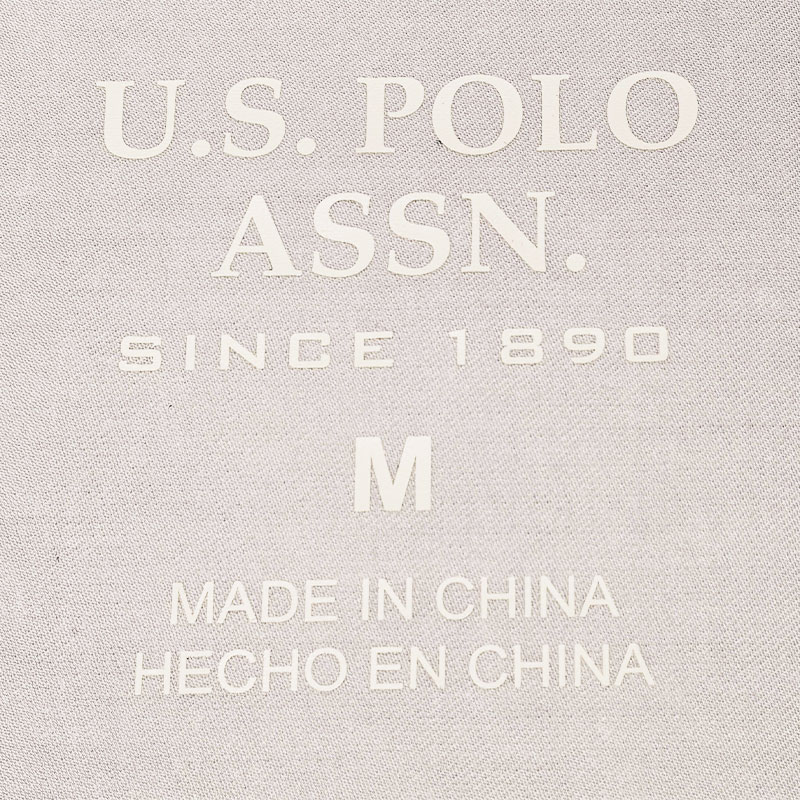
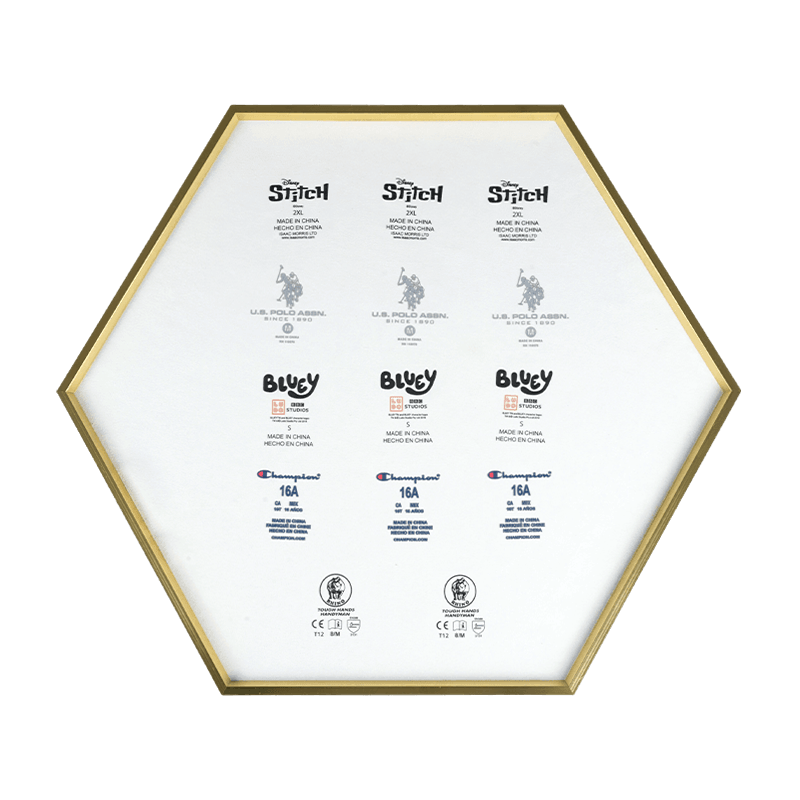
The benefits of tagless size labels are most obvious in everyday clothing. For t-shirts, sweatshirts, polo shirts, and other soft garments, seamless printed size labels give a clean finish and remove the extra layer of a woven tag. The label becomes part of the fabric rather than a separate object, which makes the inside of the collar feel unobtrusive.
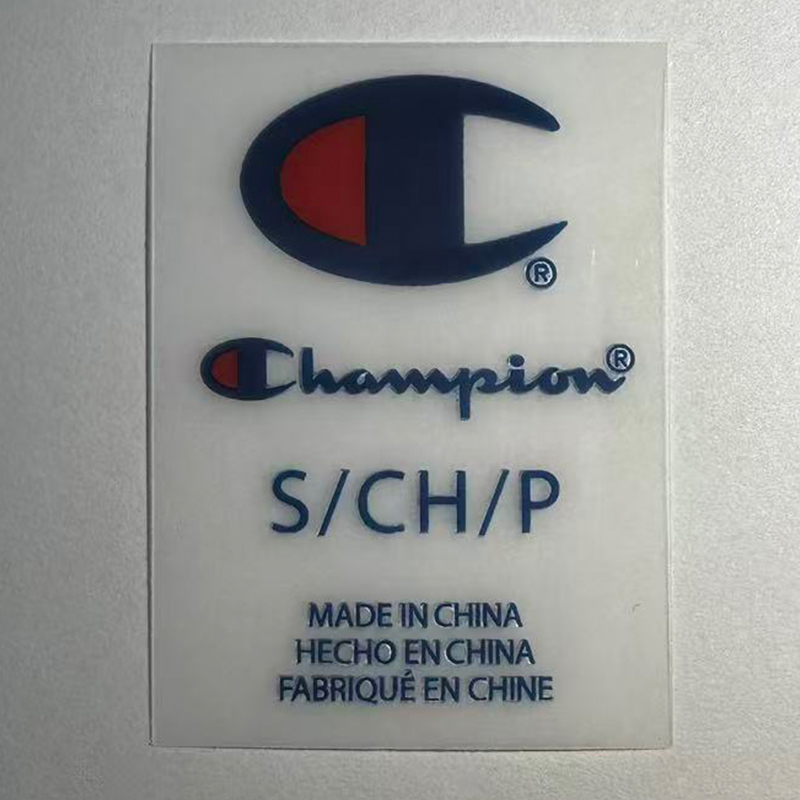 Seamless Printed Size Labels for Comfortable GarmentsTagless size labels printed directly onto fabric eliminate scratchy tags. They provide a smooth finish for t-shirts, sweatshirts, and polo shirts, enhancing comfort and brand image while being durable and efficient to produce.View Product →
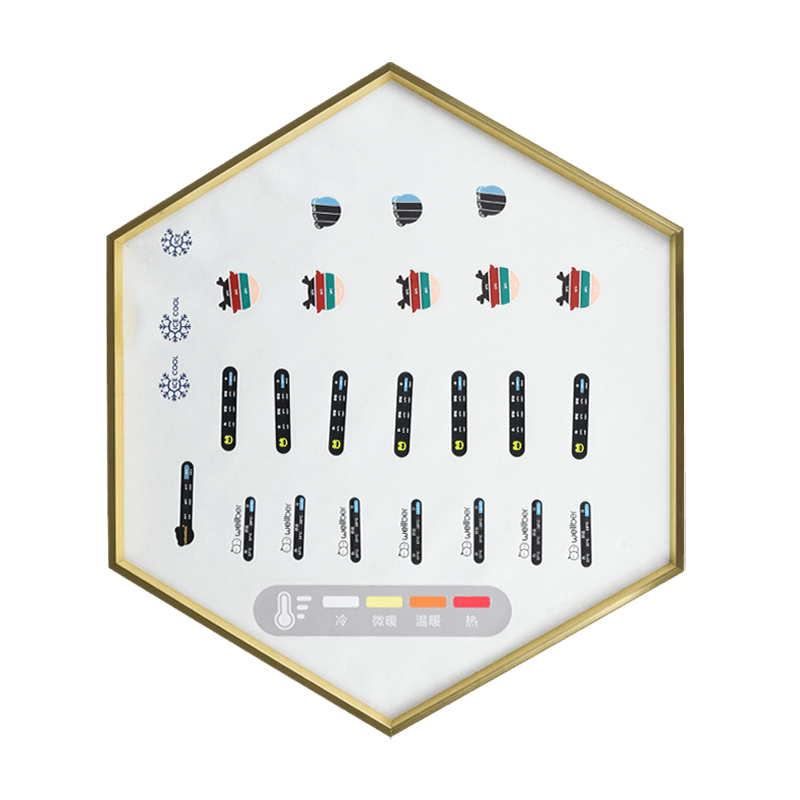
Children's clothing is a category where comfort and flexibility are particularly important. A child's skin is more sensitive, and a stiff label can cause immediate discomfort. The smart thermal-sensing seamless childwear tag example shows how a tagless platform can be adapted for childrenswear with extra functional features while still keeping the inner neck smooth.
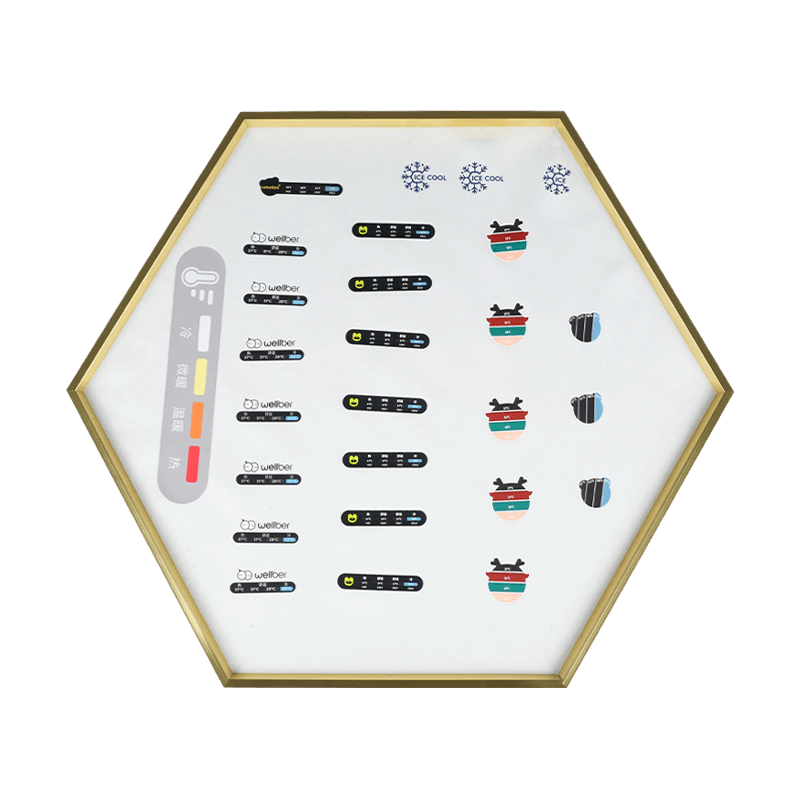 Smart Thermal-Sensing Seamless Childwear Tag for Baby ComfortThis seamless tag uses thermochromic technology to visually indicate body temperature, helping parents monitor comfort. It is stitch-free and gentle on sensitive skin, ideal for children's clothing requiring flexibility and softness.View Product →
Outdoor and performance lines need labels that survive rain, sweat, and repeated laundering. An outdoor sun protection monitoring seamless tag can carry sun-related care information without adding seam bulk. The printed mark stays flat against the reflective fabric or technical shell, which helps maintain the clean lines of the garment.
 Outdoor Sun Protection Monitoring Seamless TagA photochromic seamless tag that changes color with UV intensity, alerting wearers to sun exposure. It is flat, durable, and suitable for outdoor and performance garments, providing functionality without compromising design.View Product →
Choosing a manufacturing partner for tagless size labels comes down to compression of control and consistency. A manufacturer that controls the full production chain can manage material selection, printing, and inspection in one place. Songbai Technology operates a self-run factory with an integrated production-to-sales model, which is a practical fit for brands that need OEM/ODM support and shorter lead times. Learn more about the company and its production approach.
When you review a supplier, ask about heat transfer equipment, print resolution, and how they test wash durability. It is also useful to know whether they can handle multiple processes like silicone moulding, laser cutting, and flock transfer in-house, because a versatile supplier can consolidate your label and branding projects under one roof.

[email protected]

+86-18967386982

Manager Yu

3rd Floor, Building 15, Xinhua Road, Baibu Town, Haiyan County, Jiaxing City, Zhejiang Province, China